(501) 374-2929

How a Specialized Endodontist in Little Rock Protects and Saves Natural Teeth

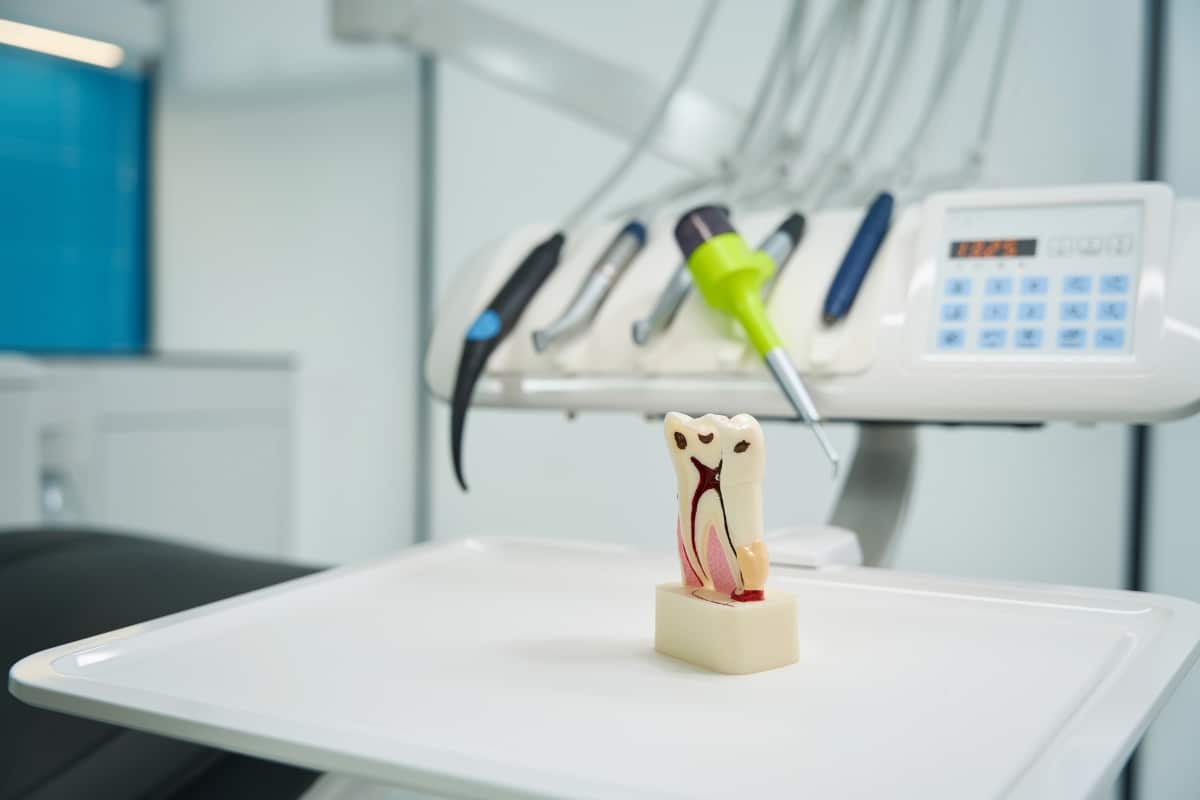
A toothache that will not quit is more than an inconvenience. It can be a warning sign that the inside of your tooth is infected or inflamed, and it usually will not get better on its own. When general dental care is not enough, a specialist in root canal treatment steps in to stop the pain at its source and rescue the tooth before extraction becomes the only option.
If you are searching for an experienced endodontist in Little Rock, Downtown Dental Care offers focused, gentle care built around one simple goal: keeping your natural teeth healthy for as long as possible. Located at 601 W. Capitol Ave. in downtown Little Rock, our practice combines advanced diagnostic tools with a calm, patient-first approach so you never have to face root canal treatment feeling anxious or unsure of what comes next.
What Endodontics Actually Treats
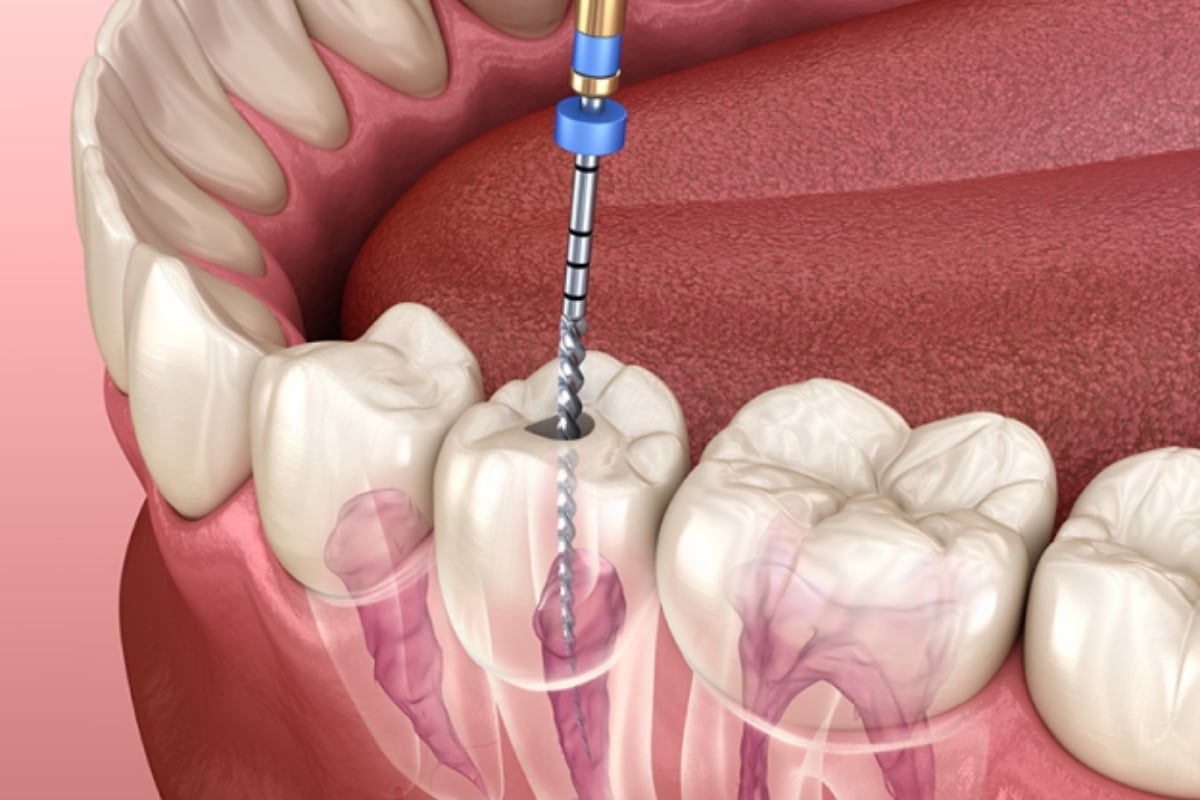
Endodontics is the branch of dentistry dedicated to the soft tissue inside your tooth, known as the pulp, along with the root canals that run through the tooth structure. When bacteria reach this inner layer through a deep cavity, a crack, or repeated dental work on the same tooth, the pulp becomes infected or inflamed. Left untreated, this can lead to a painful abscess and eventual tooth loss.
A root canal procedure removes the damaged tissue, thoroughly cleans and disinfects the canal system, and seals the tooth to prevent reinfection. Contrary to what many people expect, the treatment is designed to relieve pain, not cause it. Most patients describe the experience as very similar to getting a routine filling, with real relief felt within a day or two.
Signs You May Need an Endodontist
Your tooth often gives clear warning signs before a small problem turns into a dental emergency. Common indicators that it is time to schedule a visit with an endodontist in Little Rock include the following.
Persistent or throbbing tooth pain that does not fade with over-the-counter pain relievers is one of the most common signs. Sharp sensitivity to hot or cold drinks that lingers well after the stimulus is removed can also point to pulp damage. A chipped, cracked, or broken tooth exposes the inner layer to bacteria and should be checked quickly. Swelling or tenderness in the gums near a specific tooth, along with a small bump that resembles a pimple, often signals infection. Darkening or discoloration of a single tooth is another sign the pulp inside may no longer be healthy. If you have had multiple dental procedures on the same tooth over the years, that tooth is more vulnerable to needing endodontic care down the road.
Ignoring these symptoms rarely makes them disappear. Instead, the infection tends to spread, increasing discomfort and reducing the chances of saving the natural tooth. Reaching out early gives your dentist far more options for a conservative, effective treatment plan.
Why Choose a Specialist for Root Canal Care
General dentists are skilled at many procedures, but endodontic cases often involve narrow, curved, or hidden canals that require specialized training and equipment to treat correctly. Our team relies on digital X-rays, precise rotary instruments, and a careful diagnostic process to locate every canal and treat it thoroughly, reducing the chance of complications or the need for retreatment later.
This level of accuracy matters. A canal that is missed or incompletely cleaned can allow infection to linger beneath the surface, sometimes for months, before symptoms return. Choosing a dentist with focused endodontic experience gives you a stronger chance of a lasting, comfortable result the first time around.
What to Expect at Your Visit
Walking into an endodontic consultation does not need to feel intimidating. Your appointment begins with a conversation about your symptoms and dental history, followed by a clinical exam and diagnostic imaging to pinpoint exactly what is happening inside the tooth. From there, your dentist will walk you through the recommended treatment in plain language, answering any questions before moving forward.
During the procedure itself, local anesthesia keeps you comfortable while the infected or inflamed pulp is carefully removed. The canal system is cleaned, shaped, and sealed, and in many cases a crown is recommended afterward to protect the treated tooth and restore full chewing function. Recovery is typically quick, with mild soreness that resolves within a day or two using standard aftercare.
Protecting Your Smile for the Long Term
Saving a natural tooth is always preferable to extraction. Your own teeth support proper chewing, help maintain the shape of your jaw, and keep neighboring teeth from shifting out of place. Replacing a missing tooth with a bridge or implant later on is often more time-consuming and costly than treating the problem while the tooth can still be preserved.
That is exactly why our dental team puts so much emphasis on early diagnosis and gentle, thorough treatment. Whether you are dealing with sudden tooth pain or a lingering issue that has been building for weeks, getting evaluated by a trusted endodontist in Little Rock can mean the difference between a simple procedure and a more complicated one down the road.
Schedule Your Endodontic Consultation Today
You do not have to live with dental pain, and you do not have to guess whether your tooth can be saved. Dr. Gregory L. Stafford and Dr. Caleb Crow at Downtown Dental Care are ready to evaluate your symptoms, explain your options clearly, and provide the compassionate endodontic care your smile deserves. New patients and emergency appointments are always welcome.
Call us today or request an appointment online to get started. You can also find us on Google to read real patient reviews and get directions to our downtown Little Rock office.
Frequently Asked Questions
What does an endodontist do, and when should I see one?
An endodontist specializes in diagnosing and treating problems inside the tooth, particularly the pulp and root canals. Care is typically recommended when you experience severe tooth pain, prolonged sensitivity, or visible signs of infection that require targeted treatment to preserve the natural tooth.
Is root canal treatment painful?
Modern root canal treatment is generally comfortable thanks to effective anesthesia and precise techniques. The procedure removes infection and relieves pain rather than causing it, and most patients compare the experience to a routine filling.
How long does recovery take after a root canal?
Most patients return to normal activities within a day or two. Mild soreness is common as the area heals and is usually manageable with over-the-counter pain relief and simple aftercare.
Can a severely infected tooth still be saved?
In many cases, yes. Removing the infected tissue, disinfecting the canal system, and sealing the tooth allows patients to keep their natural tooth structure and avoid extraction whenever possible.
How do I choose the right endodontist in Little Rock?
Look for a practice with clinical experience, modern diagnostic technology, and a track record of clear communication and patient-centered care, all of which you will find at Downtown Dental Care.