(501) 374-2929

Is Tooth Sensitivity a Sign of Nerve Damage? When to See an Endodontist

Discover whether tooth sensitivity signals inner nerve damage and when to visit an endodontist in Little Rock, AR. Learn about causes, warning signs, root canal evaluation, and fast relief at Downtown Dental Care.
A sharp flash of discomfort when taking a sip of hot coffee or eating ice cream is a common experience for many adults. In many instances, mild tooth sensitivity comes from thinned enamel or slightly receded gums. However, when sensitivity becomes intense, lingers long after hot or cold foods leave your mouth, or throbs without warning, it often points deeper than surface enamel.
At Downtown Dental Care in Little Rock, AR, Dr. Gregory L. Stafford and Dr. Caleb Crow help patients determine whether temporary tooth sensitivity has progressed into underlying dental nerve damage. Understanding what causes tooth nerve distress helps you know when a simple treatment will suffice and when seeing a dental specialist for specialized endodontics is necessary to save your natural tooth.
Understanding the Structure of Your Tooth
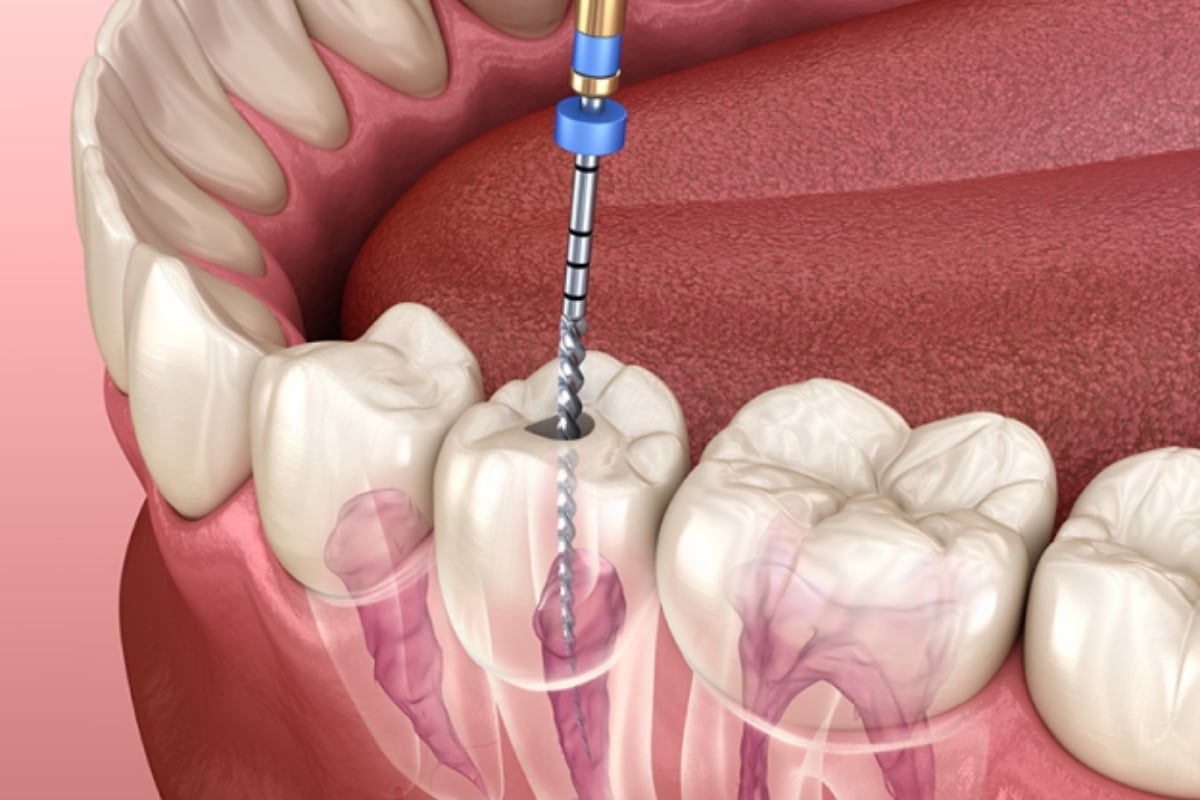
To understand tooth sensitivity, it helps to look inside the tooth itself. The visible outer layer is hard enamel, which protects the softer layer beneath called dentin. Dentin contains tiny microscopic tubes leading straight to the innermost chamber of the tooth: the pulp.
The dental pulp houses blood vessels, connective tissue, and sensitive nerve endings. When protective enamel wears down or gums pull back, hot, cold, sweet, or acidic triggers travel through the dentin tubes directly to these nerve pathways. If bacteria reach the inner pulp through a deep cavity, microscopic crack, or physical trauma, the nerve tissue becomes inflamed or infected.
Is Sensitivity Always Nerve Damage
Not all tooth sensitivity means your dental nerve is permanently damaged. Dentists categorize nerve inflammation into two main stages:
Reversible Pulpitis: This mild inflammation occurs when the nerve is irritated but still healthy enough to recover. You might feel a brief, mild sting from cold water or sweet treats that vanishes almost immediately. Removing the underlying cause, such as fixing a small cavity or using a desensitizing toothpaste, typically resolves the issue completely.
Irreversible Pulpitis: This advanced state means the nerve inside the pulp is severely damaged, infected, or dying. The pain often lingers for thirty seconds or longer after exposure to heat or cold. It may also present as a continuous, dull throb or severe pain when biting down. Irreversible pulpitis cannot heal on its own and requires targeted clinical care to eliminate infection and preserve the natural tooth structure.
Key Signs You Should Consult an Endodontist
If you experience any of the following symptoms, your tooth sensitivity likely signals nerve distress that requires expert evaluation:
- Lingering Pain: Sensitivity to heat or cold that lingers for minutes after the trigger is gone is a classic indicator of deep nerve involvement.
- Spontaneous Pain: Sudden aches or throbbing that occur without eating or drinking, especially pain that wakes you up at night, suggest significant pulp inflammation.
- Pain When Chewing: Discomfort or pressure when biting down often means the infection has spread from the inner nerve to the surrounding ligament and bone tissue.
- Discolored Tooth: A single tooth turning dark gray, brown, or yellow can indicate that the internal nerve supply has died due to past physical trauma or deep decay.
- Swollen Gums or Pimples on Gums: A small bump or swelling near the root of a sensitive tooth can signal a localized abscess where infection is attempting to drain.
How Endodontics Saves Your Natural Tooth
When nerve damage is present, specialist techniques in endodontics provide predictable, comfortable relief. Rather than extracting the tooth, your dentist performs a root canal procedure to gently remove the diseased inner nerve tissue, thoroughly clean and disinfect the root canals, and seal the interior space securely.
Modern dental procedures are efficient and virtually painless. Treating an infected nerve promptly stops the spread of infection, restores full chewing function, and keeps your original smile intact for a lifetime.
Professional Care in Downtown Little Rock
Ignoring persistent tooth pain allows internal infections to expand, leading to increased discomfort, structural damage, and potential tooth loss. Early diagnostic evaluation ensures the smallest possible intervention to preserve your oral health.
If you are dealing with persistent discomfort or lingering temperature sensitivity, contact Dr. Gregory L. Stafford and Dr. Caleb Crow at Downtown Dental Care. Our practice offers comprehensive examinations, advanced diagnostic imaging, and gentle treatment options right here in Central Arkansas.
Schedule Your Evaluation Today
Do not let severe tooth sensitivity interrupt your daily life or compromise your smile. Visit our office at 601 W Capitol Ave Suite B in Little Rock, AR, to request an appointment. Learn more about how expert endodontics and restorative care can relieve your pain and protect your natural teeth for years to come.
Frequently Asked Questions About Tooth Sensitivity and Endodontic Care
How do I know if my tooth sensitivity requires immediate dental care?
Sudden, sharp, or throbbing pain that lingers after exposure to hot or cold items warrants a prompt evaluation. Spontaneous pain that occurs without any food or drink triggers, or pain that wakes you up at night, indicates that the internal nerve may be compromised and requires professional endodontic attention.
Is a root canal treatment painful?
Thanks to modern dental techniques and local anesthetics, receiving a root canal is no more uncomfortable than getting a routine dental filling. Most patients experience immediate relief from the severe discomfort caused by their infected tooth nerve once the procedure is completed.
Why should I choose Downtown Dental Care in Little Rock for endodontic treatment?
Downtown Dental Care provides specialized, compassionate endodontic and restorative care right in central Little Rock. Dr. Gregory L. Stafford and Dr. Caleb Crow combine decades of local experience with advanced clinical technology, ensuring efficient, comfortable treatments that preserve your natural teeth in a relaxed environment.