(501) 374-2929

Traumatic Tooth Injuries: Why Seeing an Endodontist Quickly Changes Your Outcome for Dental Treatments


A knocked-out tooth, a cracked crown after a bike fall, a child’s front tooth chipped on the playground — dental trauma happens fast, and what you do in the first hour often matters more than anything that follows. If you’re searching for endodontics in Little Rock or trying to find an experienced endodontist in Little Rock after an accident, this guide walks you through exactly why speed matters, what to expect from emergency root canal treatment, and how to protect your smile for the long term.
What Counts as a “Traumatic Tooth Injury”?
Dental trauma isn’t limited to a tooth being knocked out entirely. It covers a wide range of injuries, including:
- Avulsed teeth (completely knocked out of the socket)
- Luxated teeth (loosened, pushed sideways, or pushed deeper into the gum)
- Fractured teeth (chipped, cracked, or split, sometimes exposing the nerve)
- Root fractures that aren’t visible without a dental X-ray
- Soft tissue trauma affecting the gums, lips, or cheeks around the injured tooth
Each of these injuries affects the tooth’s pulp — the soft inner tissue containing nerves and blood vessels — differently. That’s exactly why a general checkup isn’t always enough, and why root canal specialists trained specifically in trauma response are so important.
Why Minutes (Not Days) Matter
Many patients assume a chipped or loosened tooth can wait until “a normal appointment opens up.” Unfortunately, dental pulp is extremely sensitive to interruptions in blood supply. When a tooth is hit hard enough to loosen, crack, or dislodge it, the nerve and blood vessels inside can be damaged immediately, even if the tooth looks mostly fine on the outside.
Here’s what delay can cost you:
- Pulp necrosis – The nerve tissue dies without circulation, often without obvious pain at first, until infection sets in.
- Higher risk of root resorption – The body can begin breaking down root structure when a knocked-out tooth isn’t re-implanted and stabilized quickly.
- Abscess formation – Bacteria can enter through cracks or exposed pulp, leading to swelling, pain, and even bone loss around the tooth.
- Lower chance of saving the natural tooth – The longer a traumatic injury goes untreated, the more likely extraction becomes the only option.
This is the core reason urgent care from a specialist matters so much. Endodontic treatment after trauma isn’t just about pain relief — it’s about preserving the tooth itself, the surrounding bone, and your long-term oral health.
What an Endodontist Does Differently
A general dentist is well-equipped to handle routine fillings, cleanings, and many emergencies. But an endodontist completes additional years of specialized training focused entirely on the dental pulp, root canal systems, and traumatic dental injuries. When you search for an endodontist in Little Rock, you’re looking for a provider who:
- Uses advanced imaging, including 3D cone-beam CT scans, to evaluate hidden root fractures
- Performs root canal therapy and pulp capping with microscope-level precision
- Has specific protocols for tooth re-implantation (replantation) after avulsion
- Can splint loosened teeth to stabilize them while healing occurs
- Monitors pulp vitality over weeks and months to catch delayed complications early
This specialized focus is what often makes the difference between saving a natural tooth and losing it permanently.
Common Emergency Endodontic Treatments After Trauma
Emergency Root Canal Therapy
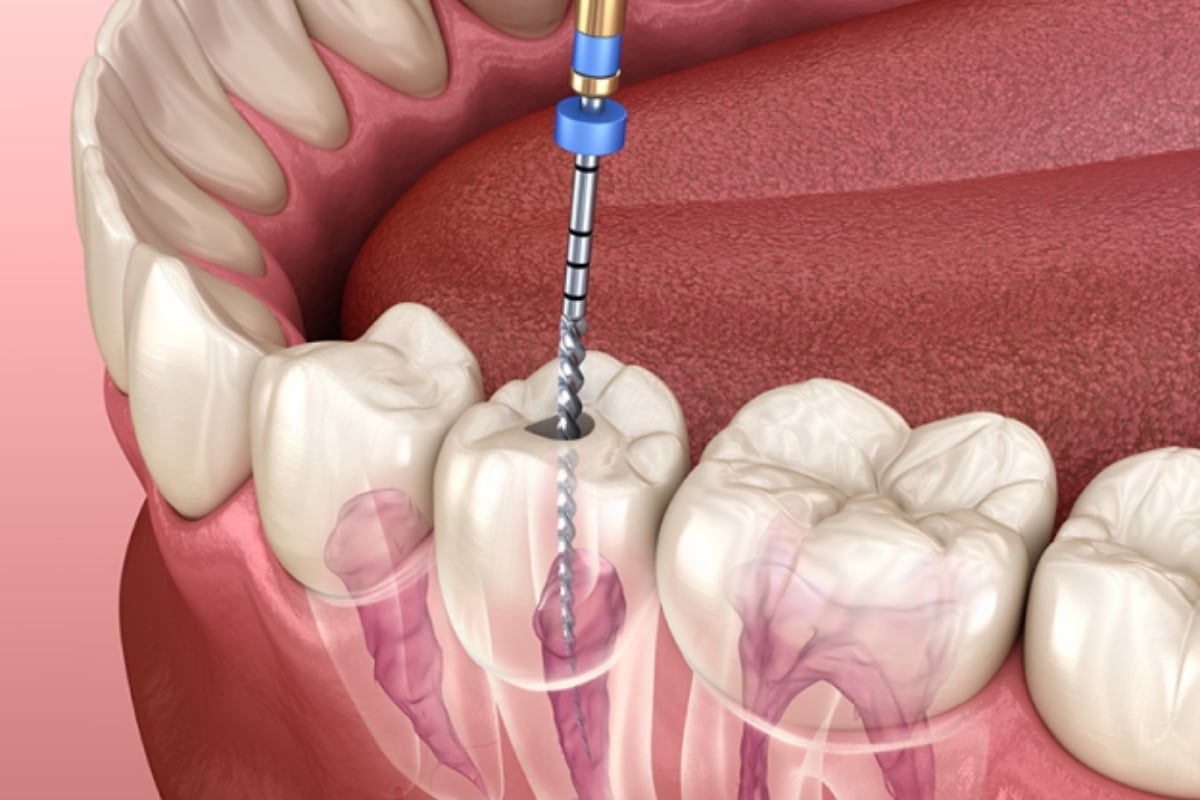
When the pulp is exposed or infected after a fracture, root canal treatment removes the damaged tissue, disinfects the canal system, and seals the tooth to prevent further infection. Many patients are surprised to learn that modern root canal therapy is no more uncomfortable than getting a filling, especially under a specialist’s care.
Tooth Replantation
If a permanent tooth is completely knocked out, time is critical. Ideally, the tooth should be gently rinsed (never scrubbed) and placed back into the socket or stored in milk or saliva, then brought to an endodontist within 30–60 minutes. The faster the replantation, the better the long-term survival rate for the tooth.
Splinting
Loosened or partially displaced teeth are often stabilized with a flexible splint attached to neighboring teeth. This holds the injured tooth in place while the periodontal ligament heals, usually over one to two weeks.
Apexification and Pulp Regeneration
For younger patients whose tooth roots haven’t fully developed, trauma can interrupt natural root growth. Specialized procedures encourage continued root development or create an artificial barrier so the tooth can still be restored successfully.
Follow-Up Monitoring
Even after initial treatment, endodontists schedule follow-up visits over several months to check for delayed pulp death, resorption, or infection that may not show symptoms right away.
What to Do Immediately After a Tooth Injury
While you’re on your way to a dental trauma specialist, here’s what helps:
- Knocked-out tooth: Pick it up by the crown (not the root), rinse gently with water if dirty, and try to reinsert it into the socket. If that’s not possible, store it in milk or a tooth-preservation product and get to an endodontist within the hour.
- Chipped or fractured tooth: Save any broken pieces, rinse your mouth with warm water, and apply a cold compress to reduce swelling.
- Loosened tooth: Avoid wiggling it further or biting down on that side. Bite gently on a clean cloth if there’s bleeding.
- Any trauma with bleeding, severe pain, or swelling: Don’t wait — same-day evaluation is essential.
Why Local, Fast Access Matters
When dental trauma happens, you don’t have time to research providers from scratch. Having a trusted endodontist in Little Rock already in mind — one who offers same-day emergency appointments — can be the difference between saving your natural tooth and facing extraction, implants, or bridges down the road.
If you or a family member has experienced a dental injury, don’t wait for the pain to get worse. Contact our Little Rock endodontic office right away for emergency evaluation. Our team specializes in trauma response, root canal therapy, and tooth-saving procedures, and we prioritize same-day care for urgent injuries. Call us now or request an emergency appointment online — quick action today protects your smile for years to come.
Frequently Asked Questions
How quickly should I see an endodontist after a tooth injury?
Ideally within 30 minutes to a few hours, especially for a knocked-out tooth. The longer treatment is delayed, the lower the chances of saving the natural tooth.
Can a chipped tooth need a root canal even if it doesn’t hurt?
Yes. Pain isn’t always immediate. A crack can expose or damage the pulp without causing noticeable discomfort right away, which is why a professional evaluation is important even for minor-looking injuries.
Is it normal for a tooth to feel loose after trauma without falling out?
It’s common, but it still needs attention. A loosened tooth may require splinting to stabilize it and prevent further damage to the root or supporting bone.
What’s the difference between seeing a general dentist and an endodontist for trauma?
General dentists can handle many emergencies, but endodontists have specialized training and equipment specifically for diagnosing and treating pulp and root injuries, which often leads to better long-term outcomes for saved teeth.
Can a knocked-out baby tooth be reinserted?
No. Baby (primary) teeth are not reinserted, as doing so can damage the developing permanent tooth underneath. However, the area should still be evaluated by a dentist or endodontist promptly.
Will I need a follow-up visit after emergency endodontic treatment?
Yes. Follow-up appointments over the following months help monitor healing, pulp vitality, and root development, particularly for younger patients or more severe trauma cases.
What if I can’t find the knocked-out tooth piece?
Get to an endodontist as soon as possible regardless. Even without the original tooth, treatment options like root canal therapy, crowns, or other restorative care can still protect your oral health.
Experiencing a dental emergency in Little Rock? Don’t risk losing your natural tooth. Reach out to our endodontic specialists today for prompt, expert trauma care designed to save your smile.