(501) 374-2929

Cold Water Causing Tooth Pain? Get Help from Downtown Dental Care


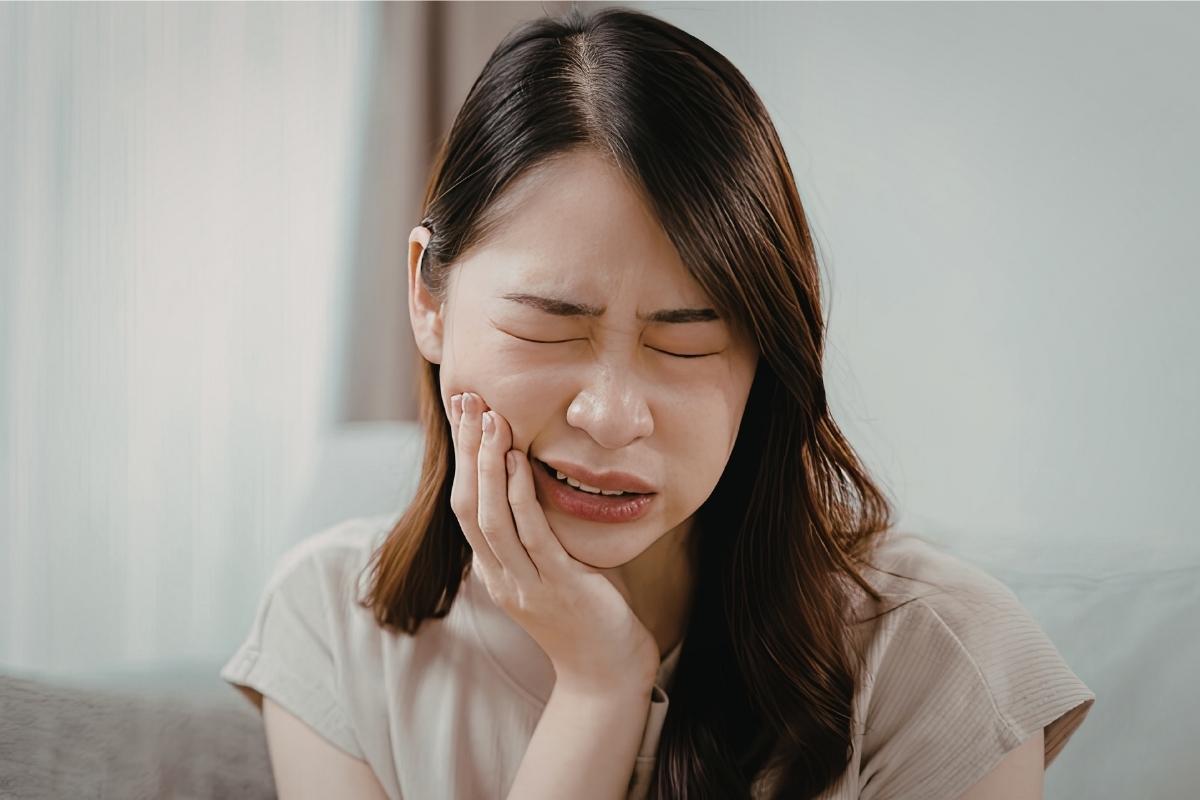
Do you feel a sharp, sudden pain in your teeth when drinking cold water? You’re not alone. Tooth sensitivity to cold is a common dental concern that can range from mild discomfort to intense pain. While it may seem minor at first, it often signals an underlying issue that shouldn’t be ignored.
At Downtown Dental Care, we help patients identify the root cause of tooth sensitivity and provide lasting solutions for a comfortable, healthy smile.
Why Does Cold Water Cause Tooth Pain?
To understand this issue, it helps to know a bit about tooth structure. Beneath the outer enamel lies a layer called dentin, which contains tiny tubules connected to the nerves inside your tooth. When enamel wears down or gums recede, these tubules become exposed.
Cold water can stimulate these nerve pathways, causing that familiar sharp pain.
Common Causes of Tooth Sensitivity to Cold
1. Enamel Erosion
Enamel protects your teeth from temperature changes. Acidic foods, soda, and aggressive brushing can wear it down, exposing sensitive dentin.
2. Gum Recession
When gums pull back, the tooth root becomes exposed. Since roots lack protective enamel, they are more sensitive to cold.
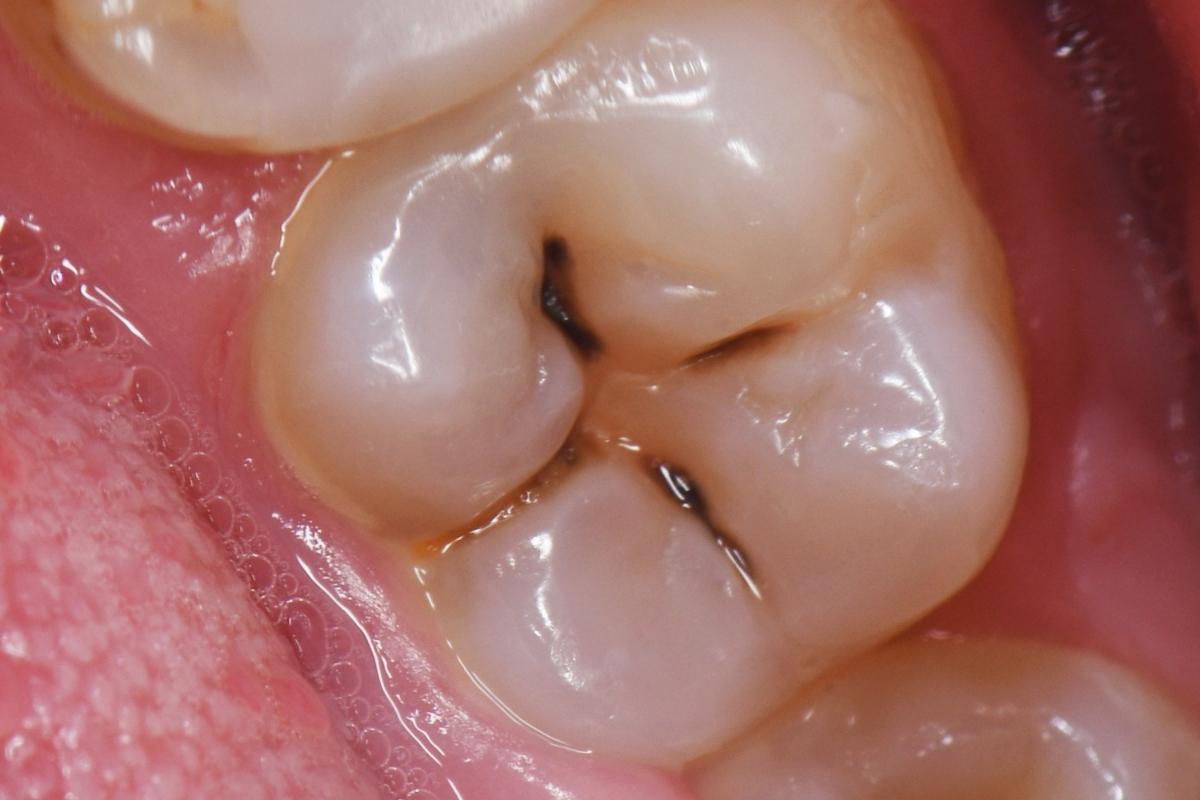
3. Tooth Decay (Cavities)
Cavities create openings in the tooth structure, allowing cold sensations to reach the nerves more easily.
4. Cracked or Chipped Teeth
Even a small crack can expose inner layers of the tooth, leading to sensitivity and discomfort.
5. Worn Dental Fillings
Old or damaged fillings may no longer seal the tooth properly, allowing temperature sensitivity to occur.
6. Teeth Grinding (Bruxism)
Grinding can wear down enamel over time, making teeth more vulnerable to sensitivity.
7. Recent Dental Procedures
Sensitivity after whitening, fillings, or cleanings is common but usually temporary.
Symptoms That Shouldn’t Be Ignored
While occasional sensitivity may not be serious, watch for these warning signs:
- Sharp pain when drinking cold water or beverages
- Lingering discomfort after exposure
- Pain when breathing in cold air
- Sensitivity while brushing or flossing
- Visible gum recession or tooth damage
If these symptoms persist, it’s time to seek professional care.
When to See a Dentist in Little Rock, AR
You should schedule a dental visit if:
- Pain lasts more than a few days
- Sensitivity is severe or worsening
- You notice swelling or signs of infection
- There’s visible damage to the tooth
- Over-the-counter remedies don’t help
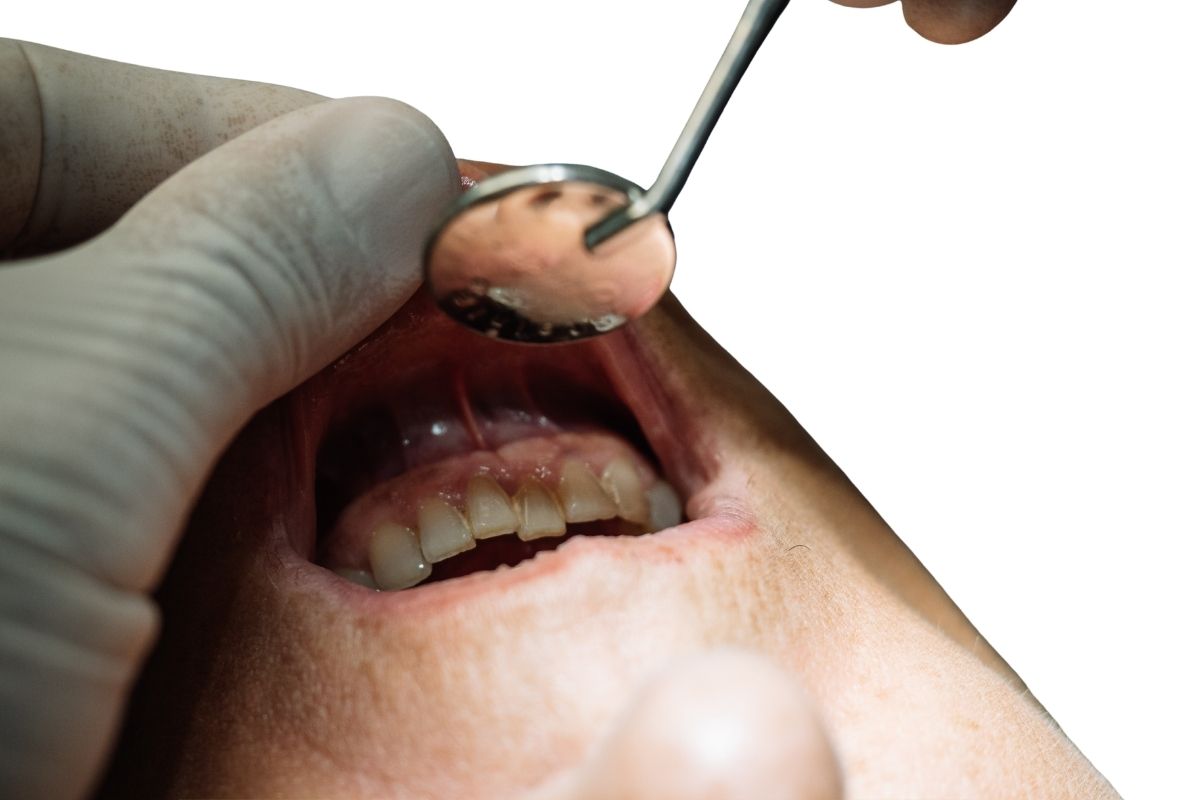
At Downtown Dental Care, we use advanced diagnostics to pinpoint the exact cause and recommend the most effective treatment.
Effective Treatments for Cold Sensitivity
The right treatment depends on the underlying issue. Here are some common solutions:
1. Desensitizing Toothpaste
Special formulas help block nerve signals and reduce sensitivity over time.
2. Fluoride Treatments
Professional fluoride applications strengthen enamel and reduce pain.
3. Dental Bonding
A tooth-colored resin can cover exposed dentin or root surfaces.
4. Gum Grafting
For severe gum recession, this procedure protects exposed roots.
5. Root Canal Therapy
If sensitivity is caused by deep infection or nerve damage, a root canal may be necessary to eliminate pain.
6. Replacing Old Fillings
Updating worn restorations can restore protection and comfort.
At-Home Tips to Reduce Tooth Sensitivity
While professional care is essential, these habits can help manage symptoms:
- Use a soft-bristle toothbrush
- Avoid acidic foods and drinks
- Switch to sensitive toothpaste
- Don’t brush too hard
- Wear a nightguard if you grind your teeth
- Rinse with fluoride mouthwash
Consistency with these habits can significantly reduce discomfort.
Preventing Tooth Sensitivity in the Future
Prevention is always better than treatment. Here’s how to protect your smile:
- Maintain regular dental checkups every 6 months
- Practice proper brushing and flossing techniques
- Limit sugary and acidic foods
- Address dental issues early
- Use dentist-recommended oral care products
By taking proactive steps, you can keep your teeth strong and pain-free.
Why Choose Us?
We are committed to providing personalized, patient-centered care. Whether your sensitivity is mild or severe, our experienced team offers solutions tailored to your needs.
We focus on:
- Accurate diagnosis and long-term solutions
- Comfortable, modern dental treatments
- Preventive care and patient education
- A welcoming, stress-free environment
Tooth pain from cold water isn’t just an inconvenience—it’s often a sign that your teeth need attention. From enamel erosion to gum recession or cavities, identifying the cause early can prevent more serious dental problems down the line.
If you’re experiencing sensitivity, don’t wait for it to worsen. Schedule your appointment today at Downtown Dental Care and visit our office at 601 W Capitol Ave B, Little Rock, AR 72201 to get expert care and lasting relief.
FAQs
1. Why do my teeth hurt when I drink cold water?
This usually happens due to exposed dentin from enamel loss or gum recession, allowing cold stimuli to reach the nerves.
2. Is tooth sensitivity to cold permanent?
Not always. Many cases can be treated or managed with proper dental care and products.
3. Can sensitive teeth heal on their own?
Mild sensitivity may improve, but persistent pain often requires professional treatment.
4. What is the best toothpaste for sensitive teeth?
Desensitizing toothpaste with potassium nitrate or fluoride is commonly recommended.
5. When should I see a dentist for tooth sensitivity?
If the pain is severe, lasts more than a few days, or interferes with daily activities, it’s time to visit a dentist.