(501) 374-2929

Early Signs of Tooth Decay Most People Ignore

Tooth decay is one of the most common dental problems in the United States, yet many people fail to recognize the early warning signs until the condition becomes severe. What often starts as a small issue can gradually lead to cavities, infection, or even tooth loss if ignored.
The good news is that tooth decay develops slowly in most cases, giving you plenty of time to catch the problem early and protect your smile. By recognizing the early signs and visiting a dentist promptly, you can prevent minor enamel damage from turning into a painful and expensive dental problem.
For residents of Little Rock, understanding these subtle warning signs can make a significant difference in maintaining long-term oral health.
What Is Tooth Decay?
Tooth decay occurs when bacteria in the mouth produce acids that gradually wear down the protective enamel of the teeth. These acids form when plaque interacts with sugars and carbohydrates from food and drinks.
Over time, the acid weakens the enamel and creates small holes known as cavities. If untreated, decay can spread deeper into the tooth, affecting the dentin and eventually reaching the pulp, where nerves and blood vessels are located.
Because early decay is often painless, many people overlook the initial symptoms until the damage becomes more noticeable.
Why Early Detection Matters
Catching tooth decay in its early stages offers several advantages:
- Prevents cavities from getting larger
- Helps avoid costly dental procedures
- Protects the natural tooth structure
- Reduces the risk of infection or tooth loss
- Maintains long-term oral health
Early treatment may involve simple solutions such as fluoride treatments or minor fillings rather than more complex procedures like root canals or crowns.
Early Signs of Tooth Decay Most People Ignore
Many people assume that tooth decay always causes severe pain. In reality, the earliest symptoms are often subtle and easy to dismiss.
Here are the most common warning signs to watch for.
White Spots on Teeth
One of the earliest indicators of enamel damage is the appearance of chalky white spots on the surface of the teeth.
These spots develop when minerals are lost from the enamel due to acid exposure. This process, known as demineralization, weakens the enamel and creates the first stage of decay.
White spots often appear along the gumline or on the chewing surfaces of teeth. Because they usually don’t cause discomfort, many people overlook them.
However, early dental treatment can often reverse this damage before a cavity forms.
Increased Tooth Sensitivity
Another early sign of tooth decay is tooth sensitivity, particularly when eating or drinking hot, cold, or sweet foods.
You may notice:
- A brief, sharp sensation when drinking cold beverages
- Discomfort when eating sweets
- Sensitivity while brushing or flossing
Sensitivity occurs when enamel becomes thin or when decay begins to expose the dentin layer beneath it.
While occasional sensitivity may not seem alarming, frequent or worsening discomfort should always be evaluated by a dentist.
Persistent Bad Breath
Bad breath, also known as halitosis, is often associated with poor oral hygiene, but it can also signal early tooth decay.
When bacteria accumulate in areas where plaque builds up, they produce sulfur compounds that create unpleasant odors. If decay is developing inside a tooth or between teeth, brushing alone may not eliminate the smell.
Persistent bad breath that doesn’t improve with regular brushing and flossing may indicate a deeper dental issue that requires professional care.
Discoloration or Dark Spots
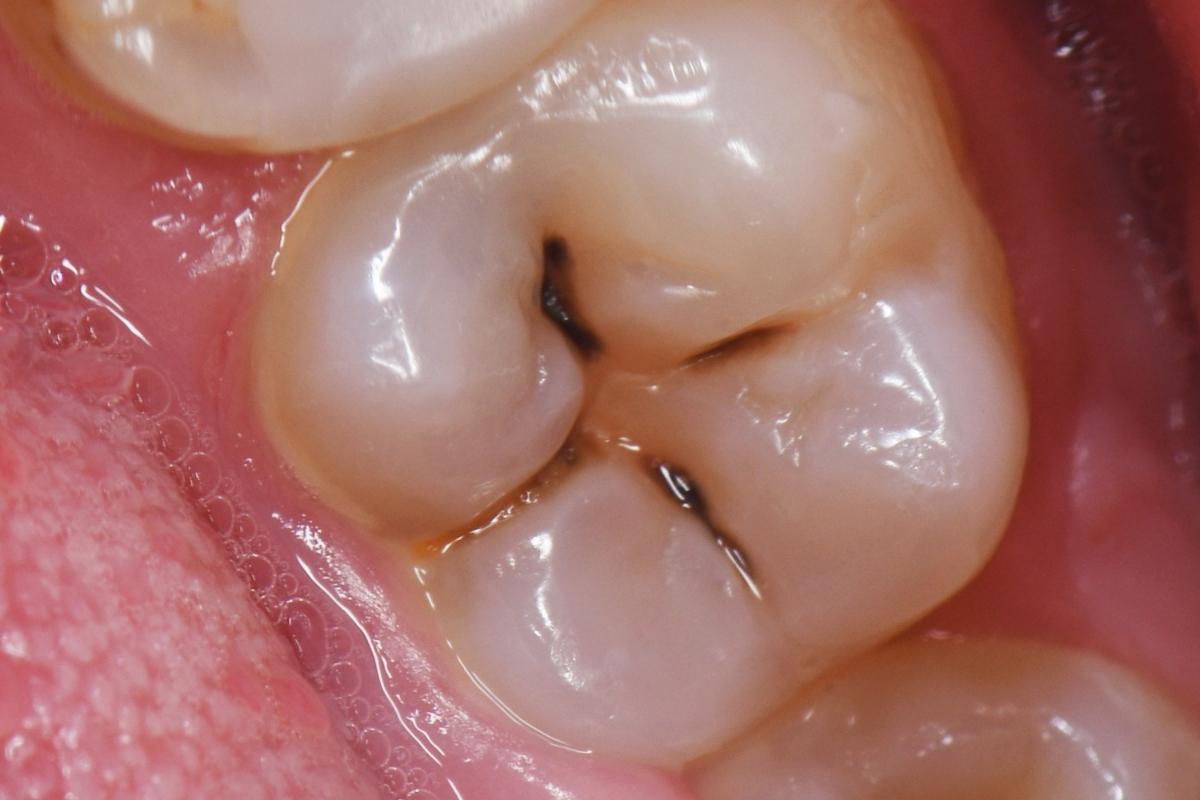
As tooth decay progresses, you may begin to notice brown, gray, or black spots on the tooth surface.
These discolorations occur when the enamel weakens, and bacteria begin to penetrate deeper into the tooth. In many cases, the spots may appear small or resemble stains from food and drinks.
However, if the discoloration does not disappear after brushing or professional cleaning, it may be a sign that decay has already begun.
Rough or Pitted Tooth Surfaces
Healthy enamel typically feels smooth when you run your tongue over your teeth. When decay begins, the surface may feel rough, uneven, or slightly pitted.
These small changes may be difficult to see in the mirror, but can often be detected by your dentist during a routine exam.
If you notice unusual textures on your teeth, it’s best to schedule a dental visit for an evaluation.
Food Frequently Getting Stuck
If food suddenly begins getting stuck between certain teeth more often than before, it could be a warning sign of enamel breakdown or cavity formation.
As decay creates small openings in the tooth structure, food particles can easily lodge in these spaces. This not only causes discomfort but also allows bacteria to continue damaging the tooth.
Regular flossing may help remove trapped debris, but persistent food trapping should be examined by a dental professional.
Occasional Toothache or Pressure
Contrary to popular belief, tooth decay does not always cause severe pain right away. In the early stages, you may experience mild discomfort or pressure while chewing.
This sensation may come and go, making it easy to ignore. However, occasional toothaches are often an indication that decay is progressing deeper into the tooth.
Ignoring these symptoms may allow the damage to reach the nerve, which can lead to infection and require more extensive treatment.
Common Causes of Tooth Decay
Understanding the causes of tooth decay can help prevent future problems. Some of the most common factors include:
Poor Oral Hygiene
Inadequate brushing and flossing allow plaque and bacteria to accumulate on the teeth.
Frequent Sugar Consumption
Sugary snacks, sodas, and sticky foods feed the bacteria that cause enamel erosion.
Dry Mouth
Saliva plays a critical role in washing away food particles and neutralizing acids. Reduced saliva increases the risk of decay.
Skipping Dental Checkups
Routine dental exams allow dentists to identify early signs of decay before symptoms appear.
Acidic Foods and Drinks
Frequent consumption of acidic beverages like soda, sports drinks, and citrus juices can weaken enamel over time.
How Dentists Detect Early Tooth Decay
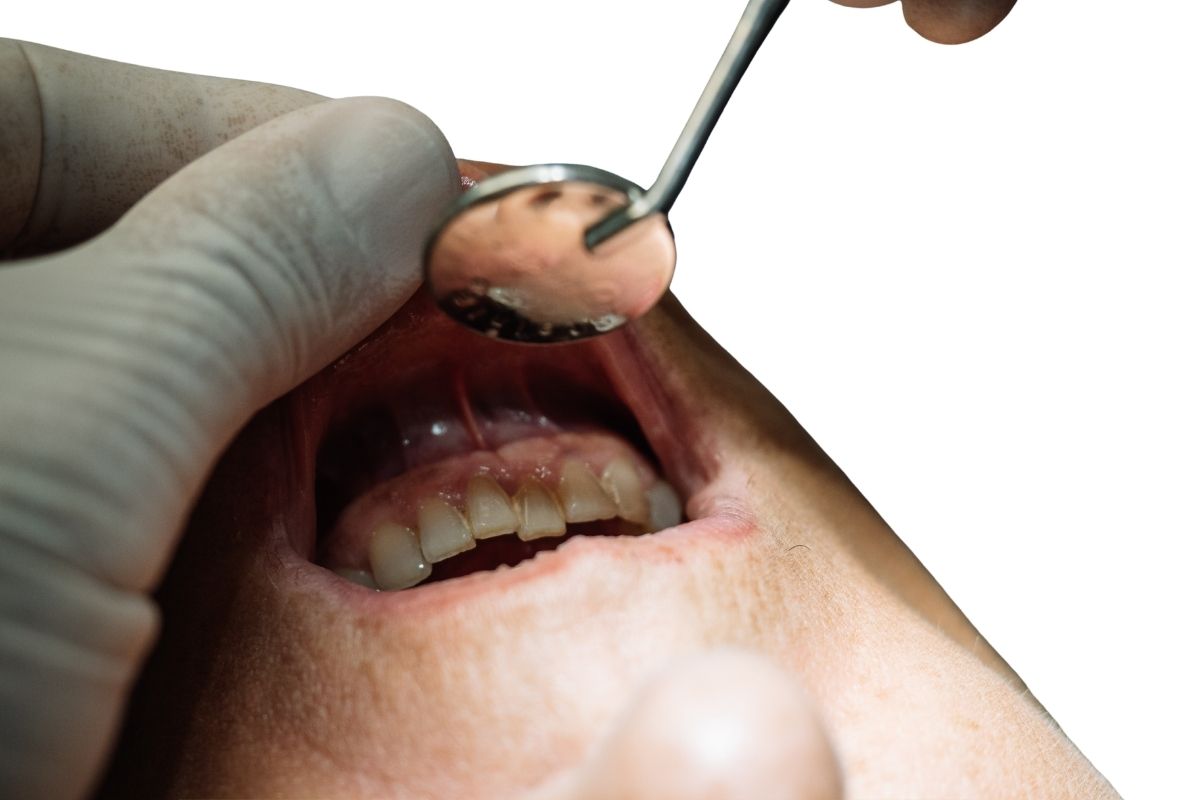
During routine dental checkups, dentists use several methods to identify early signs of tooth decay, including:
- Visual examination of the teeth and gums
- Dental X-rays to detect hidden cavities
- Special tools to check for soft or weakened enamel
- Professional cleaning to remove plaque buildup
These evaluations help identify problems before they cause pain or require extensive treatment.
Simple Ways to Prevent Tooth Decay
Preventing tooth decay is easier than treating it. With consistent oral care and regular dental visits, you can significantly reduce your risk.
Here are some essential preventive steps:
Brush Twice Daily
Use fluoride toothpaste and brush for at least two minutes.
Floss Every Day
Flossing removes plaque and food debris between teeth where toothbrushes cannot reach.
Limit Sugary Snacks
Reduce frequent snacking on sweets and sticky foods.
Drink Plenty of Water
Water helps wash away bacteria and maintain saliva flow.
Visit Your Dentist Regularly
Professional exams and cleanings help detect early issues before they worsen.
When to See a Dentist
Many people wait until they feel pain before scheduling a dental visit. Unfortunately, by that point, the decay may already be advanced.
You should consider seeing a dentist if you notice the following:
- Unusual spots or discoloration on teeth
- Persistent sensitivity
- Frequent bad breath
- Food repeatedly getting stuck between teeth
- Mild but recurring tooth discomfort
Early diagnosis allows for faster, simpler, and more affordable treatment.
Protect Your Smile
Tooth decay rarely appears suddenly. In most cases, your teeth provide small warning signs long before a serious problem develops. Paying attention to these subtle symptoms and maintaining regular dental visits can help preserve your natural smile for years to come.
If you’ve noticed any early signs of tooth decay or it’s simply time for your routine dental checkup, professional care can help detect and treat problems before they worsen.
Schedule your appointment today and visit our dental office at 601 W Capitol Ave B, Little Rock, AR 72201.