(501) 374-2929

How Cavities Form and How Your Dentist Fixes Them

Cavities—also known as dental caries—are one of the most common oral health issues affecting both children and adults. While they may start small and painless, untreated cavities can lead to significant tooth damage, discomfort, and even infection. The good news? Cavities are preventable, and when caught early, they are highly treatable. Understanding how cavities form and how your dentist repairs them is the first step toward protecting your smile for life.
What Is a Cavity?
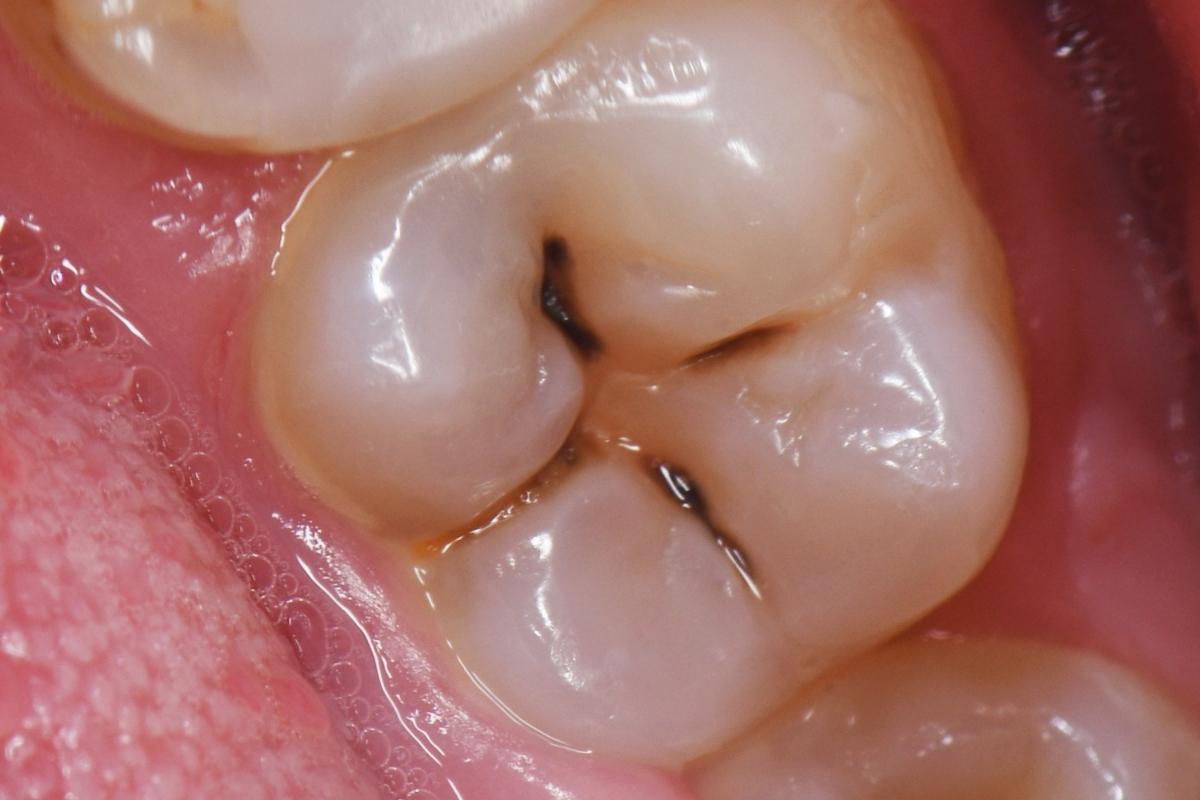
A cavity is a permanently damaged area in the hard surface of your tooth that develops into a tiny hole or opening. It’s caused by a combination of factors, including bacteria in your mouth, frequent snacking, sugary drinks, poor oral hygiene, and lack of regular dental visits. Over time, these factors work together to break down tooth enamel—the protective outer layer of your teeth.
How Do Cavities Form?
Cavity formation is a gradual process that occurs in stages. Here’s a closer look at how it happens:
1. Plaque Formation
Your mouth is full of bacteria. When you eat foods rich in sugars and carbohydrates, these bacteria feed on the leftover particles and produce acids. These acids combine with saliva and food debris to form plaque—a sticky, colorless film that coats your teeth.
2. Acid Attack
The acids in plaque begin to erode your tooth enamel. This process is called demineralization. If not reversed, repeated acid attacks weaken the enamel, creating tiny openings.
3. Enamel Breakdown
As enamel continues to break down, the damage progresses deeper into the tooth. At this stage, you may not feel any pain, but a dental exam can detect early decay.
4. Dentin Decay
Once decay reaches the dentin—the softer layer beneath the enamel—it spreads more quickly. This is often when you may start experiencing sensitivity to hot, cold, or sweet foods. A trusted Little Rock dentist can identify and treat cavities at this stage before they worsen.
5. Pulp Damage
If left untreated, decay can reach the pulp, the innermost part of the tooth containing nerves and blood vessels. This can cause severe pain and infection, often requiring more advanced treatment like a root canal.
Common Signs You May Have a Cavity
Cavities don’t always cause immediate symptoms, but as they progress, you may notice:
- Tooth sensitivity
- Pain when biting or chewing
- Visible holes or pits in teeth
- Dark spots or staining
- Persistent toothache
- Bad breath or unpleasant taste
If you experience any of these symptoms, it’s important to schedule a dental visit as soon as possible.
How Dentists Diagnose Cavities
Dentists use a combination of tools and techniques to detect cavities, including:
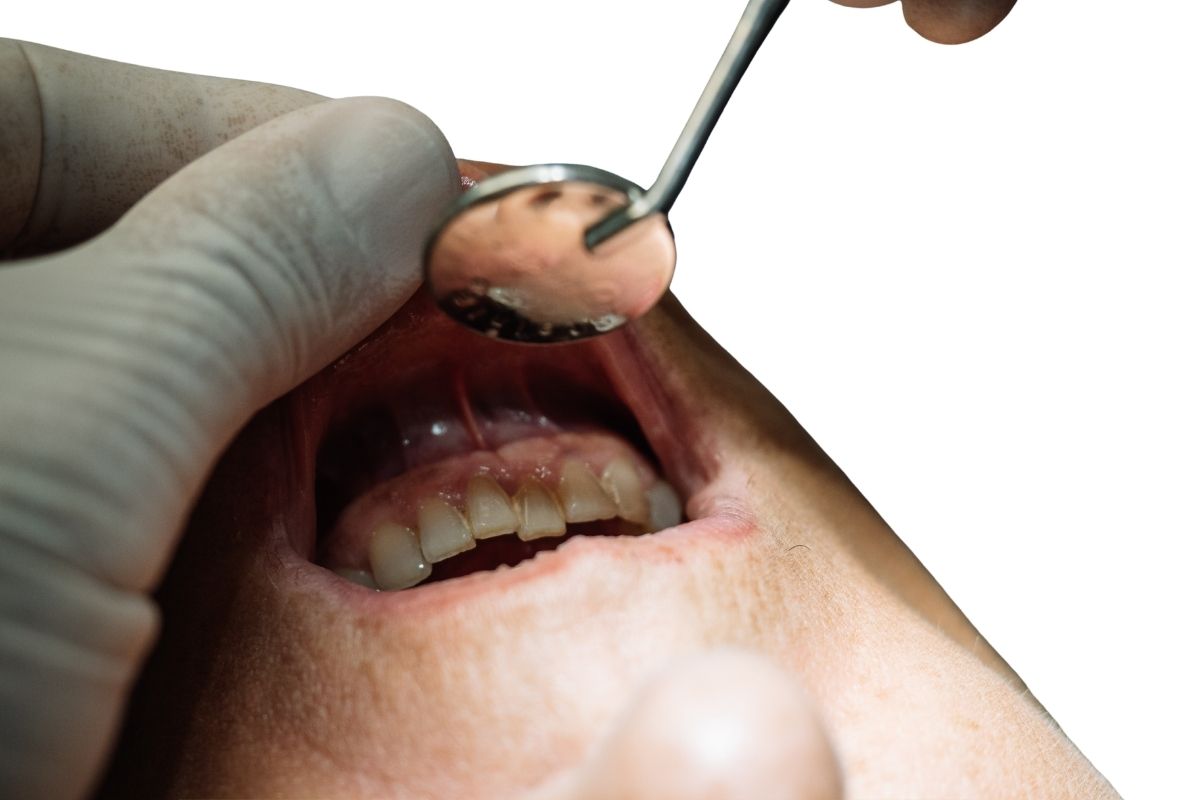
- Visual Examination: Checking for visible signs of decay
- Dental Probes: Identifying soft or sticky areas on teeth
- X-Rays: Detecting decay between teeth or beneath the surface
- Laser Detection Devices: Measuring changes in tooth structure
Early detection is key to preventing more extensive damage and costly treatments.
How Your Dentist Fixes Cavities
The treatment for cavities depends on the severity of the decay. Here are the most common methods used by dentists:
1. Fluoride Treatments (Early Stage)
If a cavity is caught in its earliest stage, your dentist may recommend a fluoride treatment. This can help restore enamel and reverse early decay before a cavity fully forms.
2. Dental Fillings
Fillings are the most common treatment for cavities. Your dentist removes the decayed portion of the tooth and fills the area with a material such as composite resin, amalgam, or porcelain. Tooth-colored fillings are popular because they blend naturally with your smile.
3. Dental Crowns
When a cavity is large or the tooth is weakened, a crown may be needed. A crown is a custom-made cap that covers the entire tooth, restoring its shape, strength, and function.
4. Root Canal Therapy
If decay reaches the pulp, a root canal is required. This procedure involves removing the infected pulp, cleaning the inside of the tooth, and sealing it. A crown is typically placed afterward to protect the tooth.
5. Tooth Extraction (Severe Cases)
In cases where the tooth is severely damaged and cannot be saved, extraction may be necessary. Your dentist will discuss replacement options such as dental implants or bridges.
What to Expect During a Filling Procedure
If you need a filling, the process is straightforward and typically completed in one visit:
- Numbing the Area: Local anesthesia ensures a comfortable experience.
- Removing Decay: The dentist removes the damaged portion of the tooth.
- Cleaning the Tooth: The area is cleaned to eliminate bacteria.
- Filling Placement: The cavity is filled with the chosen material.
- Shaping and Polishing: The filling is shaped to match your bite and polished for a smooth finish.
Most patients can return to normal activities immediately after the procedure.
How to Prevent Cavities
Prevention is always better than treatment. Here are simple steps to keep cavities at bay:
Maintain Good Oral Hygiene
Brush twice daily with fluoride toothpaste and floss once a day to remove plaque and food particles.
Limit Sugary and Acidic Foods
Reduce consumption of sweets, sodas, and acidic beverages that can erode enamel.
Drink Plenty of Water
Water helps wash away food particles and neutralize acids.
Visit Your Dentist Regularly
Routine checkups and cleanings allow your dentist to detect and treat issues early.
Consider Dental Sealants
Sealants are protective coatings applied to the chewing surfaces of back teeth, helping prevent decay.
Why Early Treatment Matters
Ignoring a cavity won’t make it go away—it will only get worse. Early treatment:
- Prevents pain and infection
- Saves money on more complex procedures
- Preserves your natural tooth structure
- Maintains overall oral health
Taking action early ensures a healthier, stronger smile.
The Link Between Oral Health and Overall Health
Cavities don’t just affect your teeth—they can impact your overall health. Untreated dental infections can spread to other parts of the body, contributing to serious conditions such as heart disease and diabetes complications. Maintaining good oral health is an essential part of your overall well-being.
Cavities are common, but they’re also highly preventable and treatable. By understanding how they form and how your dentist fixes them, you can take proactive steps to protect your oral health. Whether it’s maintaining good hygiene, making smart dietary choices, or visiting your dentist regularly, every effort counts toward a healthier smile.
Schedule your appointment today at the following location: 601 W Capitol Ave B, Little Rock, AR 72201.
FAQs
1. Can cavities go away on their own?
No, cavities do not heal on their own. Early-stage decay may be reversed with fluoride, but once a cavity forms, it requires professional treatment.
2. Are fillings painful?
Most patients experience little to no pain during fillings thanks to local anesthesia. The procedure is quick and comfortable.
3. How long does it take to fix a cavity?
A typical filling takes about 30 to 60 minutes, depending on the size and location of the cavity.
4. How can I tell if I have a cavity without seeing a dentist?
You may notice sensitivity, pain, or visible holes, but only a dentist can accurately diagnose a cavity.
5. How often should I visit the dentist to prevent cavities?
It’s recommended to visit your dentist every six months for checkups and cleanings to catch cavities early.