(501) 374-2929

10 Effective Ways to Remineralize Teeth


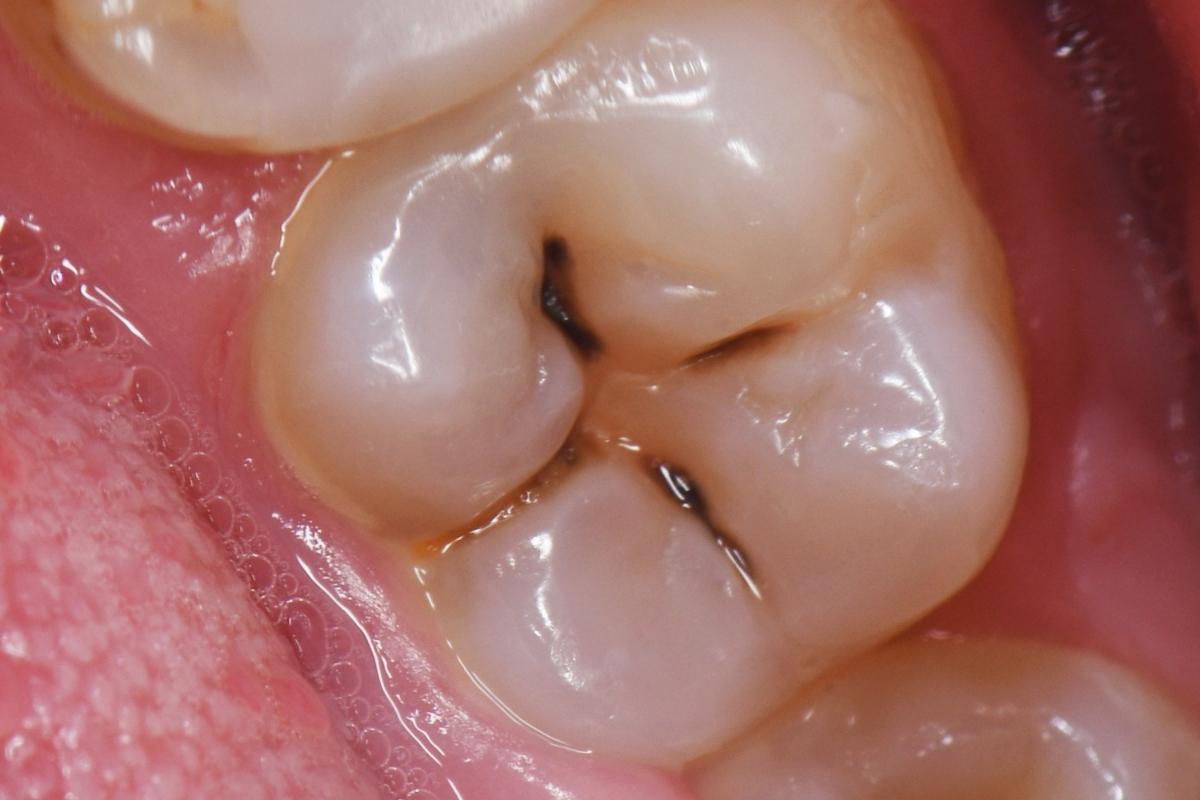
Your teeth are constantly exposed to acids and bacteria that can weaken their enamel, the outer protective layer. Over time, this demineralization process can lead to tooth decay and cavities. Fortunately, your teeth can repair themselves through remineralization—a natural process in which minerals like calcium and phosphate are redeposited in the enamel. By adopting the right habits, you can help your teeth remineralize and protect them from decay.
Here are 10 effective ways to remineralize your teeth and keep them strong and healthy.
1. Use Fluoride Toothpaste
Fluoride is one of the most effective minerals for strengthening enamel and promoting remineralization. It helps by reinforcing the mineral structure of your teeth and reversing early signs of decay. Using fluoride toothpaste twice a day can make a significant difference in protecting your teeth from demineralization.
- Tip: Be sure to brush for at least two minutes, focusing on all tooth surfaces, and avoid rinsing your mouth immediately after brushing to allow the fluoride to work longer.
2. Drink More Water
Staying hydrated is essential for overall health, but it also benefits your teeth. Drinking water, especially fluoridated water, helps wash away food particles and neutralizes harmful acids in your mouth. It also stimulates saliva production, which is crucial for remineralization.
- Tip: Sip water throughout the day, especially after meals, to help cleanse your mouth and aid in the remineralization process.
3. Eat Calcium-Rich Foods
Calcium is one of the key building blocks of enamel, so consuming calcium-rich foods can help replenish lost minerals in your teeth. Dairy products like milk, cheese, and yogurt are excellent sources of calcium. Other options include almonds, tofu, and leafy greens such as spinach and kale.
- Tip: Try incorporating a calcium-rich food with every meal to support your teeth and overall bone health.
4. Limit Sugary and Acidic Foods
Sugary and acidic foods are major contributors to enamel erosion and demineralization. Bacteria in your mouth feed on sugar, producing acid that attacks tooth enamel. Acidic foods and drinks, such as citrus fruits, soda, and wine, can also wear down enamel over time.
- Tip: Reduce your intake of sugary and acidic foods, and when you do consume them, rinse your mouth with water afterward to neutralize acids.
5. Use Sugar-Free Gum with Xylitol
Chewing sugar-free gum, especially those containing xylitol, can promote saliva production and help neutralize acids in the mouth. Xylitol is a natural sweetener that has been shown to inhibit the growth of harmful bacteria, making it an excellent tool for fighting tooth decay and promoting remineralization.
- Tip: Chew sugar-free gum after meals to stimulate saliva flow and help wash away food particles and acids.
6. Increase Your Intake of Vitamin D
Vitamin D is essential for calcium absorption in the body, making it vital for strong teeth and bones. Without sufficient vitamin D, your body may struggle to absorb calcium, reducing the effectiveness of remineralization.
- Tip: Get plenty of sunlight, which helps your body produce vitamin D. You can also eat foods rich in vitamin D, such as fatty fish (like salmon), egg yolks, and fortified foods, or consider taking a vitamin D supplement if needed.
7. Consume Phosphorus-Rich Foods
Phosphorus is another important mineral that plays a key role in maintaining strong tooth enamel. Foods rich in phosphorus include meat, poultry, fish, eggs, dairy products, and nuts. Including these in your diet can support the remineralization process by replenishing lost minerals in your enamel.
- Tip: Pair phosphorus-rich foods with calcium-rich options for a more effective remineralization boost.
8. Avoid Dry Mouth
Saliva is your mouth’s natural defense against tooth decay. It neutralizes acids, washes away food particles, and delivers essential minerals like calcium and phosphate to your teeth. If you suffer from dry mouth, whether due to medication or dehydration, remineralization may be impaired.
- Tip: Stay hydrated, avoid caffeine and alcohol, and consider using an over-the-counter saliva substitute if necessary. Chewing sugar-free gum can also stimulate saliva production.
9. Try Remineralizing Mouthwashes
In addition to fluoride toothpaste, you can use remineralizing mouthwashes that contain fluoride or other minerals. These mouthwashes help deposit minerals back into the enamel and protect teeth from demineralization. They can also help reduce plaque buildup and keep your mouth clean.
- Tip: Swish with a fluoride mouthwash once a day, preferably before bed, for an added layer of protection against tooth decay.
10. Practice Good Oral Hygiene
Ultimately, maintaining strong enamel comes down to a consistent oral hygiene routine. Brush twice a day with fluoride toothpaste, floss daily to remove plaque between your teeth, and visit your dentist for regular cleanings and check-ups. A healthy mouth is less prone to decay and better equipped to remineralize naturally.
- Tip: Be gentle when brushing to avoid wearing down your enamel, and use a soft-bristled toothbrush.
Conclusion
Remineralization is a natural process that helps keep your teeth healthy and strong. By adopting these 10 effective strategies, you can protect your enamel, reduce the risk of tooth decay, and maintain a beautiful, healthy smile. Combine a nutrient-rich diet with proper oral hygiene and regular dental care to promote the remineralization of your teeth and protect them for years to come.