(501) 374-2929

How to Remove Cavity from Teeth: Dentist Advice and Treatments

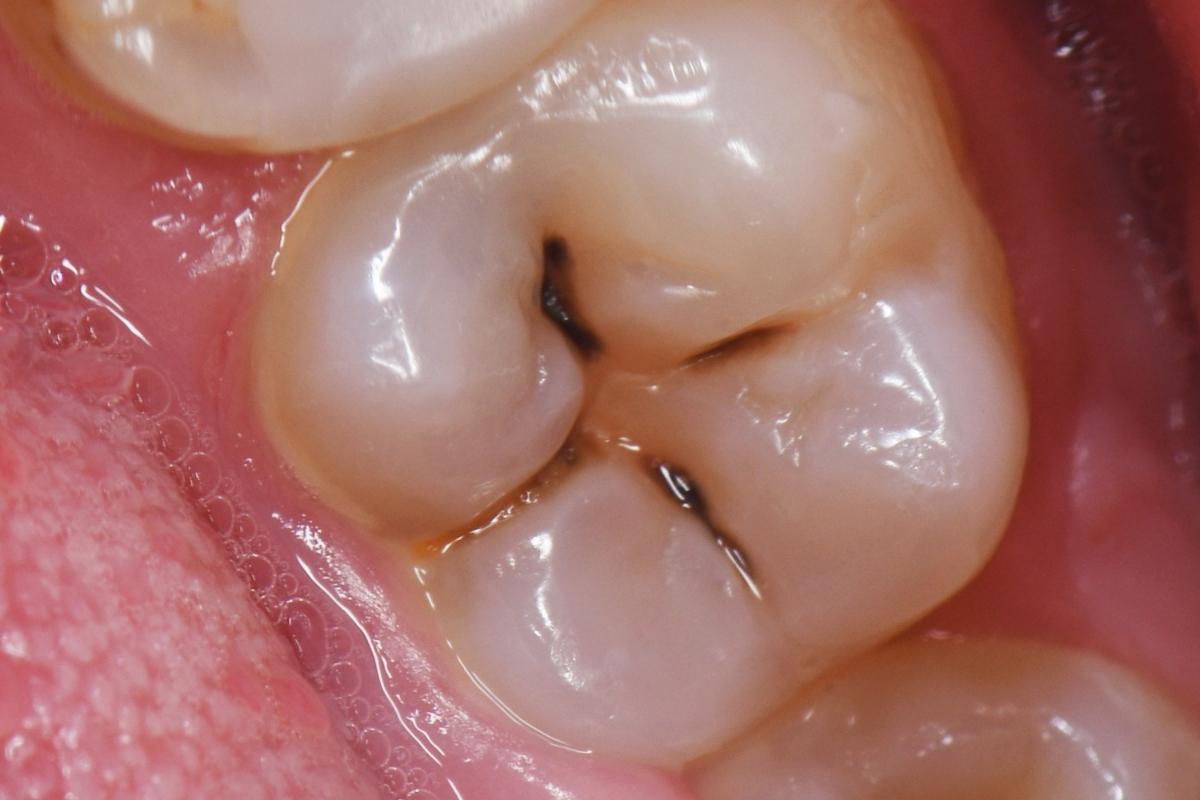
Tooth cavities are one of the most common dental issues affecting people of all ages. A cavity, also known as dental caries or tooth decay, occurs when the hard surface of your tooth is damaged by bacteria and acids. If left untreated, cavities can lead to pain, infections, and even tooth loss. The good news is that cavities are both preventable and treatable, especially when addressed early.
In this blog, we’ll explore what causes cavities, how to detect them, dentist-recommended ways to remove cavities, and effective treatment options to restore your oral health.
What Is a Cavity, and How Does It Form?
A cavity is a small hole in the tooth caused by prolonged exposure to plaque—a sticky film made of bacteria, food particles, and saliva. When you consume sugary or acidic foods and drinks, bacteria in plaque produce acids that wear down the tooth enamel. Over time, this erosion creates cavities that can affect both the enamel and the deeper layers of the tooth, including the dentin and pulp.
Key contributors to cavity formation include:
- Poor oral hygiene
- High sugar and acidic food intake
- Dry mouth (reduced saliva flow)
- Lack of fluoride
- Frequent snacking without brushing
- Genetic factors
Signs You May Have a Cavity
Recognizing the early signs of a cavity can help you seek prompt dental treatment before the damage worsens. Common symptoms of cavities include:
- Tooth sensitivity to hot, cold, or sweet foods
- Pain or discomfort when chewing
- Visible holes or pits in your teeth
- Staining (white, brown, or black spots on the tooth)
- Persistent toothache or throbbing pain
If you experience any of these symptoms, don’t delay a dental visit. Early intervention is key to saving the affected tooth and preventing more complex issues.
Can You Remove a Cavity at Home?
While maintaining good oral hygiene can prevent cavities and stop the progression of very early enamel demineralization, once a cavity forms in the dentin layer of the tooth, it cannot be removed at home. Some online sources may recommend using herbal or DIY remedies to reverse cavities, but these methods are not supported by scientific evidence.
Only a professional dentist can properly clean, fill, and restore a decayed tooth. Attempting to treat a cavity at home without professional guidance can worsen the condition and increase the risk of infection.
How Dentists Remove Cavities
Dentists use several effective methods to remove cavities and restore the tooth’s structure and function. The right treatment depends on the cavity’s size, location, and severity.
1. Dental Fillings
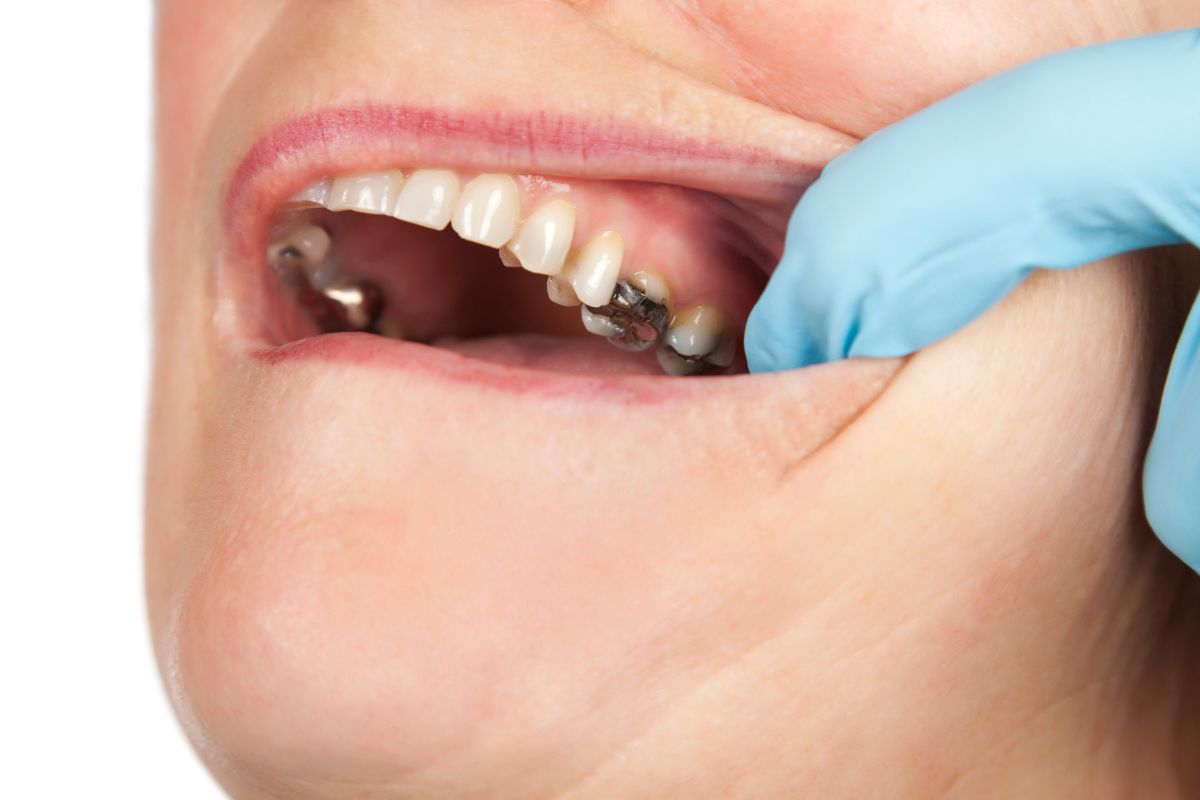
This is the most common treatment for mild to moderate cavities. The decayed portion of the tooth is removed, and the area is filled with materials like composite resin, amalgam, or porcelain. Composite fillings are especially popular because they match the natural tooth color.
2. Fluoride Treatments
If your cavity is still in the very early stages (limited to enamel), a fluoride treatment may help remineralize the tooth and stop further decay. This is more of a preventive measure and works only in the earliest stages of demineralization.
3. Dental Crowns
When decay is extensive and the tooth structure is weakened, your dentist may recommend a crown. A dental crown is a cap that covers and protects the entire tooth after the decay has been removed. It’s usually made from porcelain, ceramic, or metal.
4. Root Canal Therapy
If the cavity has reached the inner pulp of the tooth and caused infection, a root canal may be necessary. During this procedure, the dentist removes the infected pulp, disinfects the canal, and seals the tooth with a filling or crown.
5. Tooth Extraction
In severe cases where the tooth is too damaged to be restored, extraction may be the only option. Your dentist will discuss tooth replacement options, like implants or bridges, if extraction is needed.
For individuals seeking a trustworthy dentist, it’s important to choose a provider who uses modern diagnostic tools like digital X-rays and intraoral cameras to detect cavities accurately and recommend the most suitable treatment.
Preventing Cavities: Dentist-Approved Tips
While cavities can be treated, prevention is always the best option. Here are proven tips from dental professionals to keep your teeth cavity-free:
- Brush twice a day with fluoride toothpaste and a soft-bristled toothbrush.
- Floss daily to remove food particles and plaque between teeth.
- Limit sugary and acidic foods, especially sticky snacks and soft drinks.
- Drink plenty of water to help wash away food particles and neutralize acids.
- Visit your dentist regularly (every 6 months) for checkups and cleanings.
- Use fluoride treatments or mouth rinses as recommended by your dentist.
- Chew sugar-free gum to stimulate saliva production and prevent dry mouth.
Following these steps consistently can significantly reduce your risk of developing cavities and help maintain a healthy, beautiful smile.
When to See a Dentist
Don’t wait until you’re in pain to visit the dentist in Little Rock AR. If you suspect a cavity or experience any discomfort, sensitivity, or changes in your teeth, schedule an appointment immediately. The earlier a cavity is diagnosed, the simpler and more affordable the treatment will be.
Modern dentistry offers advanced tools and techniques that make cavity detection and treatment faster, safer, and more comfortable than ever before. Delaying treatment can lead to complications such as abscesses, tooth loss, or the spread of infection to other parts of the body.
Cavities are a common but preventable dental issue that can cause discomfort and damage if ignored. While you can’t remove a cavity at home, professional treatments like fillings, fluoride applications, crowns, or root canals can effectively stop decay and restore your oral health. Whether you’re dealing with early signs of tooth decay or advanced dental issues, it’s crucial to see a trusted dentist for the right care.
Don’t wait for the pain to get worse—book an appointment now to protect your teeth and preserve your smile for years to come.