(501) 374-2929

How Much Time Does It Take for Bleeding Gums to Heal? Dental Advice for a Healthier Smile

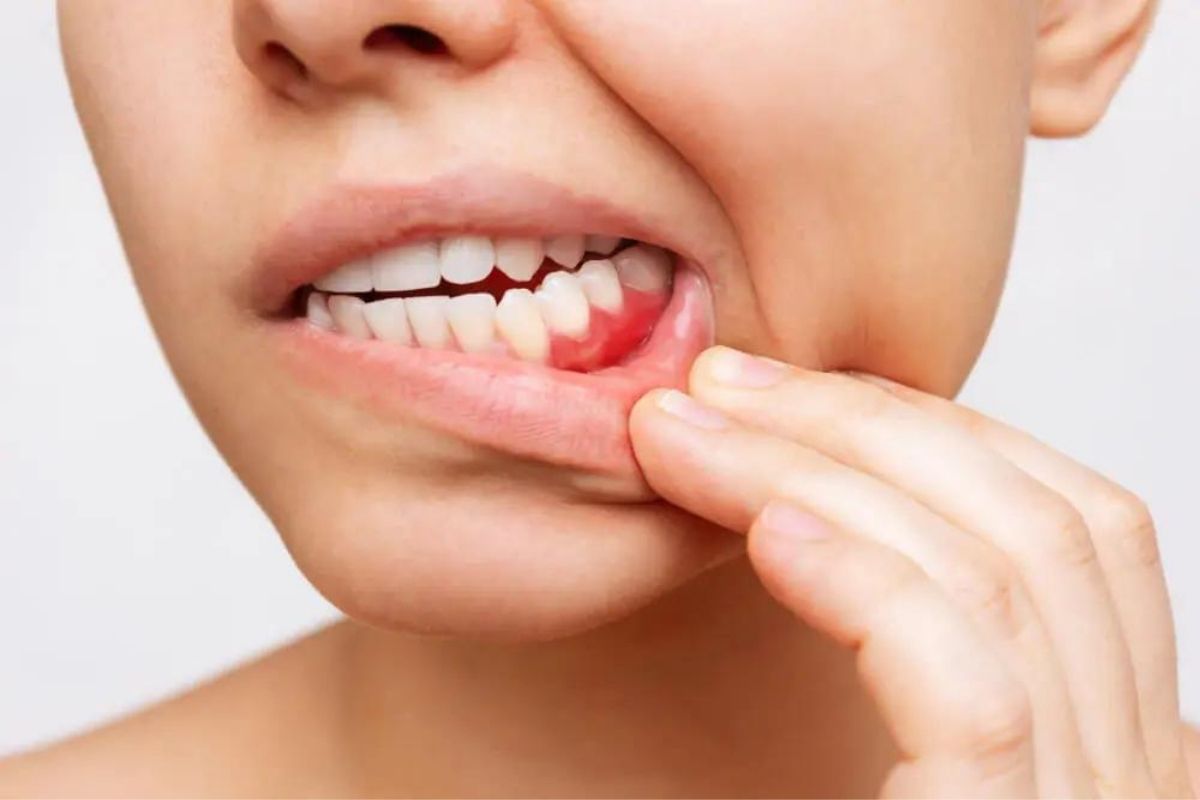
Bleeding gums are one of the earliest and most common warning signs that something isn’t quite right with your oral health. While it can be alarming to see blood on your toothbrush or floss, the good news is that bleeding gums can heal—often faster than you think—when the underlying issue is addressed promptly.
In this guide, you’ll learn how long it typically takes for bleeding gums to heal, what causes gum bleeding, and the essential steps you can take to promote healthier gums and prevent complications.
How Long Does It Take for Bleeding Gums to Heal?
The healing time for bleeding gums depends on the severity of the gum irritation or underlying gum disease:
1. Mild Gum Irritation (1–3 Days)
If your gums bleed occasionally from aggressive brushing or flossing, they can often heal within a few days. Switching to a soft-bristled toothbrush and adopting gentler brushing techniques can speed up healing.
2. Early-Stage Gingivitis (1–2 Weeks)
Gingivitis—the earliest form of gum disease—is the most common cause of bleeding gums. With proper home care and professional guidance, symptoms can improve significantly within one to two weeks.
3. Moderate to Severe Gum Disease (Several Weeks to Months)
When gingivitis progresses to periodontitis, healing becomes more complex. Professional cleanings, root planing, and possibly antibiotics are often needed. Healing may take anywhere from a few weeks to several months, depending on the health of your gums and how closely you follow your dentist’s instructions.
In many cases, consulting a professional such as a dentist in Little Rock can help you determine the exact cause and the most effective treatment path.
Common Causes of Bleeding Gums
Understanding the source of the problem is crucial for proper healing. The most common causes include:
- Gingivitis: Often caused by plaque buildup due to inadequate brushing or flossing.
- Aggressive Brushing Techniques: Brushing too hard can irritate delicate gum tissue.
- Improper Flossing Habits: Starting a new flossing routine may cause temporary bleeding.
- Vitamin Deficiencies: Low levels of vitamins C or K can impact gum health.
- Hormonal Changes: Pregnancy, menstruation, and puberty can all increase gum sensitivity.
- Smoking: Tobacco use weakens gum tissue and slows healing.
- Dental Restorations That Don’t Fit Well: These can irritate the gums or trap bacteria.
Tips to Help Your Gums Heal Faster
1. Improve Your Oral Hygiene Routine
Brush twice a day using a soft-bristled toothbrush and fluoride toothpaste. Gently floss daily to remove plaque that brushing can’t reach.
2. Use Antibacterial Mouthwash
An antibacterial rinse can help reduce inflammation and plaque buildup.
3. Avoid Tobacco
Smoking slows your body’s ability to heal. Quitting can significantly improve gum health.
4. Eat a Nutrient-Rich Diet
Foods high in vitamin C (oranges, strawberries) and vitamin K (spinach, kale) support gum healing.
5. Stay Hydrated
Drinking plenty of water keeps your mouth moist and helps flush away food particles.
6. Visit Your Dentist Regularly
Professional cleanings can remove hardened plaque (tartar) that brushing alone cannot.
When Should You See a Dentist?
While occasional gum bleeding may not be a serious concern, persistent bleeding—especially paired with bad breath, gum swelling, or tooth mobility—is a sign that you need professional care.
You should see a dentist immediately if you notice:
- Gum bleeding lasting more than a week
- Pain or gum recession
- Pus or abscess formation
- Loose teeth
- A change in bite alignment
Early intervention can prevent more serious dental issues and protect your long-term oral health.
Prevention Tips to Keep Your Gums Healthy Long-Term
- Stick to a consistent brushing and flossing schedule
- Replace your toothbrush every three months
- Limit sugary snacks and sodas
- Visit your dentist twice a year
- Manage stress, which can lead to teeth grinding and gum issues
Healthy gums are essential for maintaining a strong, beautiful smile—and with the right care, healing bleeding gums is completely achievable.
If your bleeding gums don’t improve after a week of consistent care, it’s important to schedule an appointment for a proper evaluation at 601 W Capitol Ave B, Little Rock, AR 72201.
FAQs
1. How can I stop my gums from bleeding immediately?
Rinse with warm salt water, apply gentle pressure with clean gauze, and avoid irritating the area. However, this is only a temporary relief—professional care may be needed if bleeding persists.
2. Is it normal for gums to bleed when I start flossing?
Yes. If you haven’t flossed regularly, your gums may bleed for a few days as they adjust to the new habit. With consistent daily flossing, the bleeding should stop.
3. What happens if I ignore bleeding gums?
Untreated bleeding gums can lead to gum disease, tooth loss, and other systemic health issues. Early treatment helps avoid long-term damage.