(501) 374-2929

Root Canal vs Crown: What’s the Difference and When Do You Need Each?

Dental health is a cornerstone of overall wellness, yet many people find themselves confused about the different procedures dentists recommend to save or restore damaged teeth. Two common treatments—root canal therapy and dental crowns—often come up in discussions about severe tooth issues. While both aim to protect and preserve your natural teeth, they serve different purposes. Understanding the distinction between the two can help you make informed decisions about your oral care.
What is a Root Canal?
A root canal is a dental procedure designed to treat infection or damage deep within the tooth, specifically the dental pulp, which contains nerves, blood vessels, and connective tissue. When decay, trauma, or cracks reach this inner layer, it can lead to pain, swelling, and even abscesses.
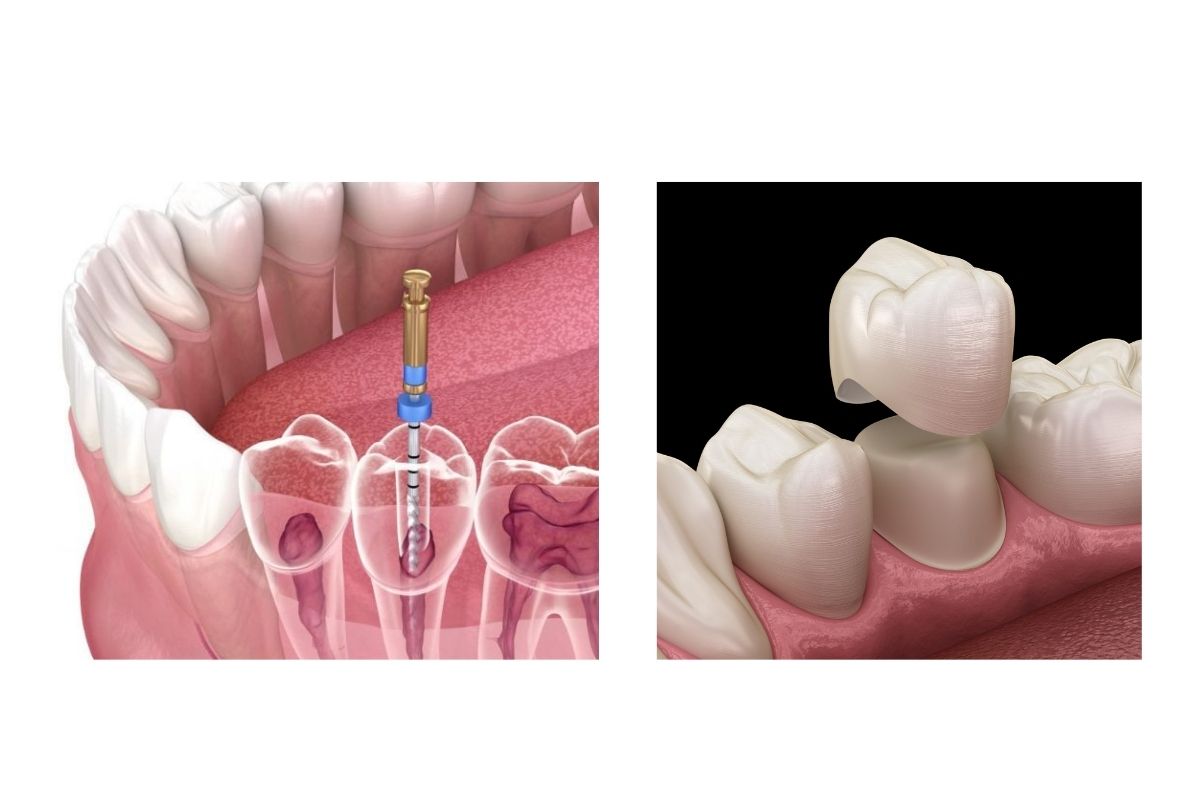
During root canal therapy, a dentist or endodontist removes the infected pulp, cleans and disinfects the canal system, and then fills it to prevent further infection. Finally, the tooth is sealed, often with a temporary filling.
The main goal of a root canal is to save the natural tooth and relieve pain caused by infection. Without treatment, the infection can spread, leading to more severe dental issues or even tooth loss.
When You Might Need a Root Canal:
- Persistent toothache or sensitivity to hot and cold
- Swollen or tender gums around a tooth
- Deep decay reaching the pulp
- Cracked or chipped teeth exposing the inner tissue
If you are experiencing these symptoms in Little Rock, consider contacting a professional for root canal therapy in Little Rock.
What is a Dental Crown?
A dental crown is a custom-made cap that completely covers a damaged or weakened tooth. Crowns restore the tooth’s shape, size, strength, and appearance. Unlike root canals, which treat internal damage, crowns address structural concerns. They are often used after significant decay removal, large fillings, or root canal procedures to protect the remaining tooth.
Crowns can be made from a variety of materials, including porcelain, ceramic, metal, or a combination of these. Porcelain and ceramic crowns are popular for their natural appearance, making them ideal for front teeth.
When You Might Need a Crown:
- A tooth weakened by decay or large fillings
- After root canal therapy to protect the treated tooth
- Cracked, fractured, or worn-down teeth
- Cosmetic enhancement to improve the tooth’s appearance
In many cases, a crown and root canal are used together. After a tooth undergoes root canal therapy, it can become brittle and more susceptible to fractures. Placing a crown over the tooth provides the necessary protection and helps maintain long-term function.
Key Differences Between Root Canal and Crown
| Aspect | Root Canal | Crown |
|---|---|---|
| Purpose | Removes infected or damaged pulp | Covers and protects a weakened or damaged tooth |
| Treatment Focus | Internal | External |
| When Needed | Tooth infection, deep decay, pulp damage | Weak, cracked, or cosmetically damaged tooth; post-root canal |
| Procedure | Clean, disinfect, and fill the tooth canal | Clean, disinfect, fill the tooth canal |
| Goal | Save natural tooth, relieve pain | Strengthen and restore appearance/function |
Understanding the difference is crucial because opting for the wrong treatment can lead to prolonged pain or additional dental problems. Your dentist will evaluate your specific condition, X-rays, and symptoms to determine whether a root canal, a crown, or both are necessary.
How to Care for Your Teeth After Treatment
Post-treatment care is essential to ensure long-lasting results:
- Maintain good oral hygiene with brushing and flossing
- Avoid hard or sticky foods immediately after treatment
- Attend regular dental check-ups to monitor the teeth and the surrounding area
- Follow any specific instructions provided by your dentist
If you’re experiencing tooth pain, sensitivity, or structural damage, don’t wait. Expert dental care can save your natural teeth and restore your smile. Schedule your consultation today for professional root canal therapy.
FAQs
1. Can I get a crown without a root canal?
Yes, a crown can be placed on a tooth that doesn’t require a root canal. Crowns are often used to strengthen a weak tooth, cover a large filling, or improve cosmetic appearance.
2. Does a root canal hurt?
Root canal therapy is typically performed under local anesthesia, so you should not feel pain during the procedure. Mild discomfort may occur afterward, which can be managed with over-the-counter pain relievers.
3. How long do crowns and root canals last?
With proper care, a root canal-treated tooth can last a lifetime, and crowns can last 10–15 years or longer, depending on the material used and oral hygiene habits.