(501) 374-2929

Can Cavities Heal on Their Own? What Dentists Want You to Know


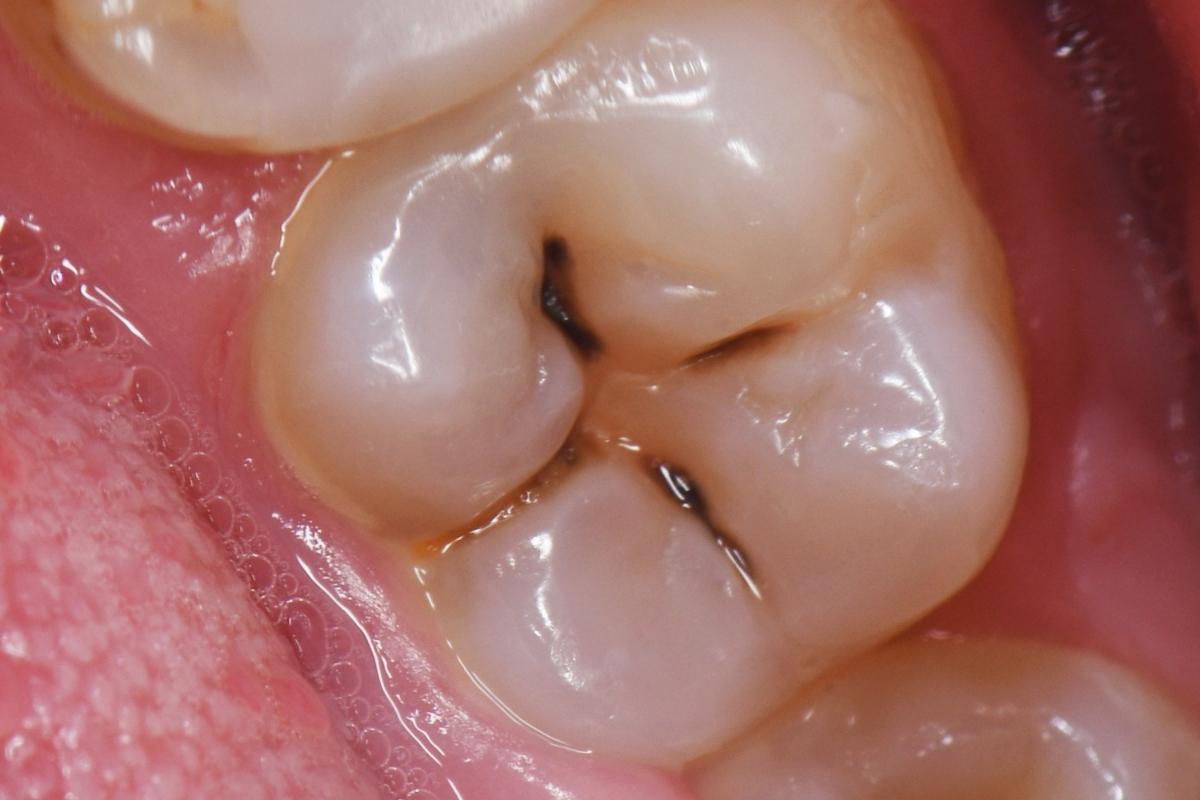
Cavities are one of the most common dental problems worldwide — yet they’re also one of the most misunderstood. Many people notice slight tooth sensitivity or discoloration and wonder, “Can cavities heal on their own?” The short answer: no, not once a cavity has formed. However, early signs of tooth decay can sometimes be reversed with proper care and preventive measures. Let’s explore what really happens when a cavity develops and what dentists recommend for maintaining strong, healthy teeth.
Understanding How Cavities Form
Cavities start when bacteria in your mouth feed on sugars from the foods and drinks you consume, producing acids that gradually erode your tooth enamel — the hard, protective outer layer of your teeth. Over time, this leads to tiny holes or pits, known as dental caries (cavities).
In the earliest stages, the damage is limited to demineralization, when minerals like calcium and phosphate are leached from your enamel. At this stage, the process can sometimes be reversed through fluoride treatments, remineralizing toothpaste, and proper oral hygiene.
Once bacteria penetrate deeper into the tooth structure — reaching the dentin or pulp — the decay becomes irreversible and requires professional treatment.
Can Cavities Heal Naturally?
If caught extremely early, it’s possible to halt or even reverse the initial demineralization process. Here’s how:
- Fluoride helps rebuild weakened enamel and prevents bacteria from producing more acid.
- Saliva naturally helps neutralize acids and restore minerals to enamel.
- A healthy diet low in sugary snacks and drinks can limit bacterial growth.
However, once a cavity breaks through the enamel, no home remedy or natural method can fully heal it. Brushing, rinsing, or applying fluoride won’t “fill” the cavity. The decay must be cleaned out and restored by a dental professional.
Why Professional Treatment Is Essential
Ignoring a cavity can lead to severe pain, infection, and tooth loss. When bacteria reach the inner pulp — where nerves and blood vessels are located — you may experience sensitivity, swelling, or abscesses that require root canal therapy or extraction.
A trusted dentist can accurately diagnose cavities during a dental exam and use treatments like fillings, inlays, or crowns to stop the decay from spreading. Modern dentistry focuses on minimally invasive techniques, often completing the procedure in just one visit.
How to Prevent Future Cavities
Even though cavities can’t heal once they’ve formed, you can prevent new ones with these proven tips:
- Brush twice a day with fluoride toothpaste.
- Floss daily to remove plaque between teeth.
- Visit your dentist every six months for checkups and cleanings.
- Drink plenty of water, especially if it’s fluoridated.
- Limit sugary snacks, carbonated drinks, and sticky candies.
Preventive care is far easier and less costly than restorative treatments — and it helps you maintain your natural smile for years to come.
Cavities don’t heal on their own — but with early detection and preventive care, you can stop tooth decay before it causes serious damage. If you suspect you have a cavity or want to learn how to protect your teeth better, now’s the time to act.
Take Action for a Healthier Smile
Cavities may not heal on their own, but the good news is that with timely care and preventive habits, you can stop them in their tracks and protect your smile for years to come.
If you suspect a cavity or want to prevent one from forming, don’t wait—schedule an appointment with your dentist in Little Rock, AR, today! Experience gentle, comprehensive dental care that keeps your smile strong, healthy, and cavity-free.
FAQs About Cavities
1. Can brushing and flossing get rid of cavities?
No. Brushing and flossing can help prevent cavities and slow their progression, but they cannot remove existing decay once it has formed.
2. How can I tell if I have a cavity?
Common signs include tooth sensitivity, pain when biting, visible holes or dark spots, and lingering bad breath. Regular dental checkups help catch cavities early, often before symptoms appear.
3. Do small cavities always need fillings?
If a cavity has broken through the enamel, it must be filled. However, very early enamel demineralization may be managed with fluoride treatments and good oral hygiene.
4. Are there natural ways to strengthen tooth enamel?
Yes. Using fluoride toothpaste, maintaining a balanced diet rich in calcium and phosphorus, and drinking plenty of water all help strengthen enamel naturally.
5. What happens if I ignore a cavity?
Ignoring a cavity can lead to pain, infection, and even tooth loss. Early treatment prevents complications and helps preserve your natural teeth.