(501) 374-2929

Dry Socket After Tooth Extraction: What It Is and How to Avoid It


Tooth extraction is a common dental procedure, often necessary due to decay, trauma, or impacted wisdom teeth. While healing typically proceeds smoothly, one of the most dreaded complications patients may face afterward is dry socket. Painful and disruptive, dry socket delays healing and can make the recovery process uncomfortable. Fortunately, with the right knowledge and care, you can significantly reduce your risk.
In this blog, we’ll explain what dry socket is, why it happens, and—most importantly—how to avoid it.
What Is Dry Socket?
Dry socket, clinically known as alveolar osteitis, occurs when the blood clot that forms at the extraction site is dislodged, dissolves prematurely, or fails to develop. This blood clot is essential for protecting the underlying bone and nerve endings during the healing process. Without it, the bone is exposed to air, food, and fluids, resulting in intense pain and delayed healing.
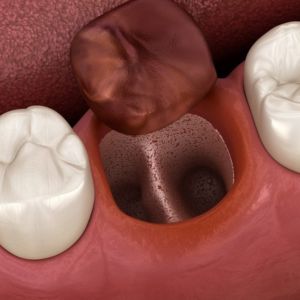
Dry socket typically develops 2 to 5 days after the extraction and is more common with molar or wisdom tooth removals. Symptoms include:
- Severe throbbing pain that radiates to the ear or jaw
- Unpleasant taste or odor in the mouth
- Visible bone in the socket
- Partial or total loss of the blood clot at the site
Risk Factors and Causes of Dry Socket
Some patients are more susceptible to dry socket than others. Risk factors include:
- Smoking or tobacco use
- Using a straw or spitting forcefully after surgery
- Poor oral hygiene
- Previous dry socket history
- Use of oral contraceptives
- Difficult extractions (especially impacted teeth)
In a tooth extraction in Little Rock, your dentist will typically provide detailed post-operative instructions designed to reduce your risk of dry socket. Following these instructions carefully can make a big difference in your recovery experience.
How to Avoid Dry Socket: Proven Tips
Preventing dry socket is all about protecting the clot and supporting natural healing. Here are proven ways to lower your risk:
1. Avoid Smoking or Vaping
Nicotine restricts blood flow and the suction from inhaling can dislodge the clot.
2. Don’t Use a Straw
The suction motion can easily pull the blood clot from its socket. Drink straight from a glass instead.
3. Follow Soft-Food Guidelines
Stick to soft, cool or lukewarm foods like applesauce, mashed potatoes, and yogurt for the first few days.
4. Avoid Spitting or Rinsing Vigorously
Forceful movements of the mouth can disturb the clot. If rinsing is recommended, do so gently with saltwater after 24 hours.
5. Maintain Oral Hygiene—Gently
Continue brushing your teeth, but avoid the surgical site and use a soft-bristled toothbrush.
6. Limit Physical Activity
Heavy lifting or strenuous exercise can increase blood pressure and the chance of clot displacement.
7. Take Prescribed Medications
If your dentist has prescribed antibiotics or pain relievers, take them as directed to minimize inflammation and infection risk.
Treatment for Dry Socket
If you do develop dry socket, don’t panic—your dentist can treat it effectively. Treatment may involve:
- Flushing the socket to remove debris
- Applying a medicated dressing
- Prescribing pain medication
- Scheduling follow-up visits to monitor healing
Prompt treatment will relieve your pain and encourage proper healing.
Don’t Let Dry Socket Disrupt Your Recovery
Tooth extractions are highly effective in addressing various dental issues—but the healing period is just as important as the procedure itself. Avoiding dry socket can make your recovery quicker, more comfortable, and complication-free. Listening to your dentist and avoiding risky behaviors can go a long way.
Whether you’re considering a tooth extraction or need help recovering from one, our experienced dental team in Little Rock is here to help. Book an appointment now and ensure your treatment and healing are handled with care every step of the way.