(501) 374-2929

Do’s and Don’ts After Tooth Extraction for a Speedy Recovery

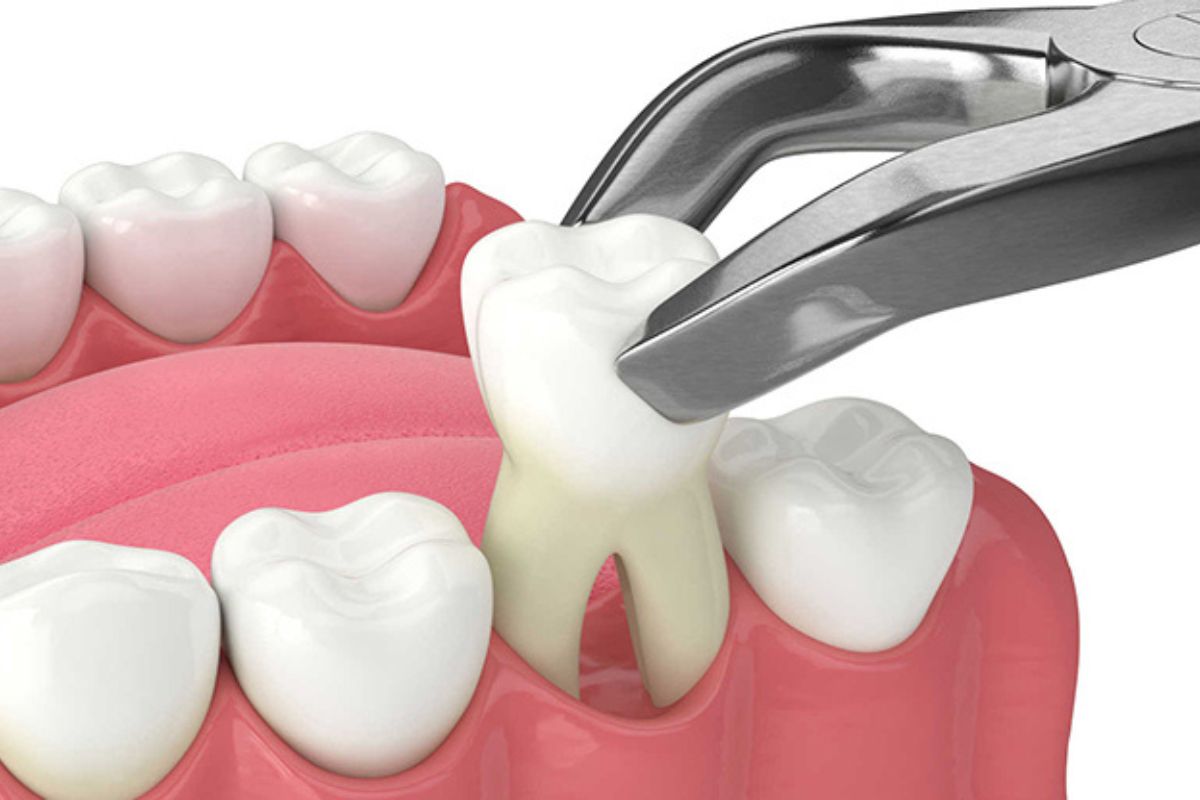
Tooth extraction is a common dental procedure performed for various reasons—ranging from severe decay or infection to impacted wisdom teeth or preparation for orthodontic treatment. While the procedure itself is relatively straightforward, what happens afterward plays a crucial role in your healing journey.
Following the proper aftercare steps can help reduce discomfort, minimize complications, and promote a faster, smoother recovery. In contrast, neglecting post-operative instructions can lead to issues like dry socket, infection, or prolonged pain. Whether you’ve just had a tooth removed or are preparing for the procedure, knowing the do’s and don’ts is essential for optimal healing.
In this comprehensive guide, we’ll walk you through the key do’s and don’ts after tooth extraction—ensuring you recover quickly and comfortably.
The Importance of Proper Aftercare
After a tooth is extracted, your body begins the healing process immediately. A blood clot forms at the extraction site, acting as a protective layer over the underlying bone and nerves. It also serves as the foundation for new tissue growth.
Disrupting or dislodging this clot can delay healing or cause painful conditions like dry socket, which exposes the bone and requires additional treatment. That’s why the first few days after the procedure are especially critical.
Do’s After Tooth Extraction
Following these essential tips can help you heal efficiently and avoid complications:
1. Bite Gently on Gauze
After the procedure, your dentist will place a gauze pad over the extraction site. Bite down gently but firmly for 30 to 45 minutes to help stop bleeding and allow a clot to form. Replace it with a fresh piece as needed, and contact your dentist if bleeding continues beyond a few hours.
2. Apply Ice Packs
To reduce swelling, apply an ice pack to your cheek near the extraction site in 15-minute intervals (15 minutes on, 15 minutes off) during the first 24 hours. This helps minimize inflammation and discomfort.
3. Rest and Take It Easy
Avoid strenuous activities for the first 24–48 hours. Resting allows your body to focus on healing and reduces the risk of increased bleeding or swelling.
4. Keep Your Head Elevated
Use an extra pillow to keep your head elevated while sleeping. Lying flat can increase blood flow to the area, leading to swelling or prolonged bleeding.
5. Take Medications as Prescribed
Follow your dentist’s instructions for painkillers and antibiotics. Don’t skip doses, and avoid self-medicating without approval, especially with medications that thin the blood.
6. Maintain Oral Hygiene (With Care)
Continue brushing and flossing your other teeth, but avoid the extraction site. After the first 24 hours, gently rinse your mouth with warm salt water (not mouthwash) to keep the area clean.
7. Eat Soft, Cool Foods
Stick to foods like yogurt, mashed potatoes, scrambled eggs, applesauce, smoothies, and soups. Make sure everything is lukewarm or cool, not hot.
Don’ts After Tooth Extraction
Avoiding the following behaviors can prevent setbacks and speed up your healing:
1. Don’t Smoke or Use Tobacco
Smoking interferes with blood flow, delays healing, and greatly increases the risk of dry socket. Avoid smoking for at least 72 hours (preferably longer) after the procedure.
2. Don’t Drink Through a Straw
Suction from a straw can dislodge the clot from the socket. Avoid using straws for at least a week.
3. Don’t Rinse or Spit Forcefully
Spitting or rinsing vigorously can also disrupt the clot. Wait at least 24 hours before gently rinsing with salt water.
4. Don’t Eat Hard, Crunchy, or Spicy Foods
Chips, nuts, seeds, spicy dishes, and hot foods can irritate the wound or get lodged in the socket. Avoid these until your dentist gives the go-ahead.
5. Don’t Touch the Site
Avoid poking the extraction area with your tongue or fingers. This can introduce bacteria and delay the healing process.
Healing Timeline After Tooth Extraction
While everyone heals at their own pace, here’s a general idea of what to expect:
- First 24 Hours: Blood clot forms, bleeding slows, mild swelling begins. Avoid disturbing the area.
- Days 2–3: Swelling and bruising may peak, discomfort should be managed with medication and ice.
- Days 4–7: Clot stabilizes, swelling reduces, and new tissue begins forming.
- Weeks 2–4: Gum tissue continues to heal, and most symptoms subside.
- Months 1–3: Bone fills the socket, completing the healing process.
During this time, follow-ups with your dentist ensure everything is progressing well. If you’re undergoing tooth extraction in Little Rock, it’s essential to choose a dentist who offers thorough post-op guidance and support to make the process as smooth as possible.
Signs You Should Contact Your Dentist
While minor pain and swelling are normal, certain symptoms may indicate a problem. Reach out to your dentist immediately if you experience:
- Severe or increasing pain after 3 days
- Persistent bleeding that doesn’t subside
- Foul odor or taste in the mouth
- Visible pus or swelling around the site
- Fever or chills
These signs could indicate infection, dry socket, or another complication that needs professional care.
Helpful Tips for a Smooth Recovery
Here are some additional tips to ensure your healing journey is quick and complication-free:
- Stay hydrated, but drink water slowly and without a straw.
- Avoid alcohol for at least 24–48 hours as it can interfere with healing and medications.
- Wear comfortable, loose-fitting clothing on the day of your extraction.
- Avoid touching or brushing the socket area for the first few days.
- Use extra care when chewing on the opposite side of your mouth.
Speed Up Recovery with Smart Aftercare
Recovering from a tooth extraction doesn’t have to be difficult. By following your dentist’s post-op instructions and keeping these do’s and don’ts in mind, you can help your body heal efficiently and reduce the risk of complications. Whether you’re getting ready for a simple extraction or recovering from wisdom teeth removal, proper care can make all the difference in your experience.
Don’t let tooth pain or dental concerns slow you down. Book an appointment now to discuss your extraction needs and ensure a safe, comfortable recovery with expert care.