(501) 374-2929

How to Avoid Root Canals Naturally


Root canals are often necessary when tooth decay or infection reaches the inner pulp of a tooth, causing pain and damage. While root canals can save a severely damaged tooth, preventing the need for one is always preferable. Maintaining excellent oral hygiene and making smart lifestyle choices can significantly reduce your risk of developing deep decay or infection. Here’s how to avoid root canals naturally.
1. Maintain Excellent Oral Hygiene
Proper oral hygiene is the first line of defense against tooth decay and infections that can lead to root canals. Follow these key practices:
- Brush Twice Daily: Use a soft-bristled toothbrush and fluoride toothpaste to remove plaque and bacteria.
- Floss Daily: Cleaning between teeth prevents cavities from forming in hard-to-reach areas.
- Use an Antibacterial Mouthwash: A fluoride or herbal mouthwash can help kill harmful bacteria and protect enamel.
- Replace Your Toothbrush Regularly: Change your toothbrush every 3–4 months or sooner if the bristles fray.
2. Eat a Tooth-Friendly Diet
Your diet plays a crucial role in your oral health. Eating the right foods can strengthen your teeth and prevent decay.
- Increase Calcium and Vitamin D Intake: These nutrients help strengthen enamel and bones. Include dairy products, leafy greens, almonds, and fortified foods in your diet.
- Avoid Sugary and Acidic Foods: Sugar feeds harmful bacteria that cause cavities, while acidic foods can erode enamel. Minimize consumption of soda, candy, and citrus fruits.
- Eat Fibrous Fruits and Vegetables: Apples, carrots, and celery help clean teeth naturally by stimulating saliva production.
- Drink Plenty of Water: Water rinses away food particles and keeps the mouth hydrated, reducing the risk of bacterial growth.
3. Try Natural Remedies to Strengthen Teeth
Several natural remedies can help maintain strong teeth and gums, preventing decay and infection.
- Oil Pulling: Swishing coconut or sesame oil in your mouth for 15–20 minutes can help remove toxins and reduce bacterial buildup.
- Herbal Toothpaste and Rinses: Toothpaste with neem, clove, or tea tree oil has antibacterial properties that support oral health.
- Xylitol Gum or Mints: Xylitol is a natural sweetener that reduces harmful bacteria in the mouth and promotes saliva production.
4. Avoid Teeth Grinding and Clenching
Bruxism (teeth grinding) can wear down enamel and make teeth more susceptible to decay and infection. To prevent this:
- Use a Night Guard: If you grind your teeth while sleeping, a custom-fitted mouthguard can protect your teeth.
- Manage Stress: Since stress is a common trigger for grinding, practice relaxation techniques like meditation and deep breathing.
- Correct Your Bite: If misalignment is causing excessive pressure on your teeth, consult a dentist for possible orthodontic treatment.
5. Address Small Cavities Early
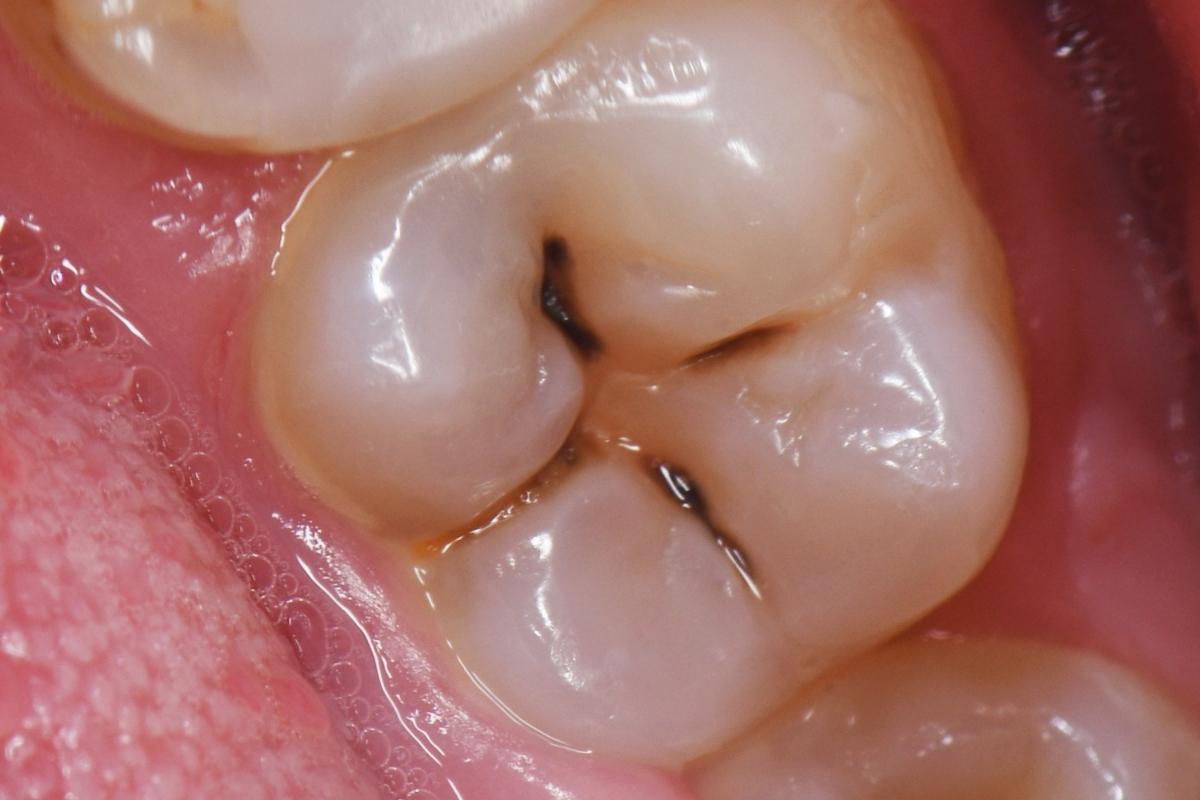
Minor cavities can progress into severe decay if left untreated. Prevent the need for a root canal by addressing cavities at an early stage.
- Visit Your Dentist Regularly: Routine checkups (every six months) help detect cavities early before they reach the pulp.
- Consider Natural Remineralization: Small cavities can sometimes be reversed by using remineralizing toothpaste with hydroxyapatite or fluoride.
- Apply Dental Sealants: Sealants can protect vulnerable teeth from decay, especially for children and those prone to cavities.
6. Strengthen Your Immune System
A healthy immune system helps your body fight off infections, including those that can affect your teeth and gums.
- Eat a Balanced Diet: Nutrient-rich foods support immune health and overall well-being.
- Get Enough Sleep: Proper rest allows your body to repair itself and fight infections effectively.
- Exercise Regularly: Physical activity enhances circulation, including in the gums, which promotes healing and prevents inflammation.
7. Be Aware of Warning Signs
Recognizing early symptoms of dental problems can help you take preventive action before a root canal is necessary. Watch for:
- Sensitivity to hot and cold foods
- Persistent toothaches or pain when chewing
- Swollen or bleeding gums
- Darkening of a tooth
- A small bump on the gums near a tooth
If you notice any of these symptoms, schedule a dental checkup promptly.
Proper oral hygiene, a tooth-friendly diet, natural remedies, and regular visits to Downtown Dental Care can prevent the need for a root canal. By making small but impactful lifestyle changes, you can protect your teeth from decay and infection, ensuring a healthier smile for years. If you ever experience signs of deep decay, don’t hesitate to seek professional dental care to address issues early and avoid more invasive treatments.