(501) 374-2929

What You Need to Know About Getting a Crown for Your Tooth


A dental crown is a popular option for protecting and restoring damaged teeth. It functions as a protective covering that encases a tooth, enhancing its form, durability, and aesthetic appeal. If you’re considering protective coverings for your teeth, here’s everything you need to know about this general dentistry procedure.
Why Dental Crowns?
Crowns are proven effective in restoring and strengthening teeth affected by decay, cracks, or wear. These caps protect teeth that have been weakened by large fillings or after root canal therapy. When a tooth is vulnerable, a durable cover can prevent further damage, preserving it for years to come. Once you invest in a dental cap, expect to enjoy lasting oral health and avoid extensive procedures down the line.
Common Issues That Are Fixed with Tooth Caps
Dental caps or protective coverings offer solutions for several dental issues, including:
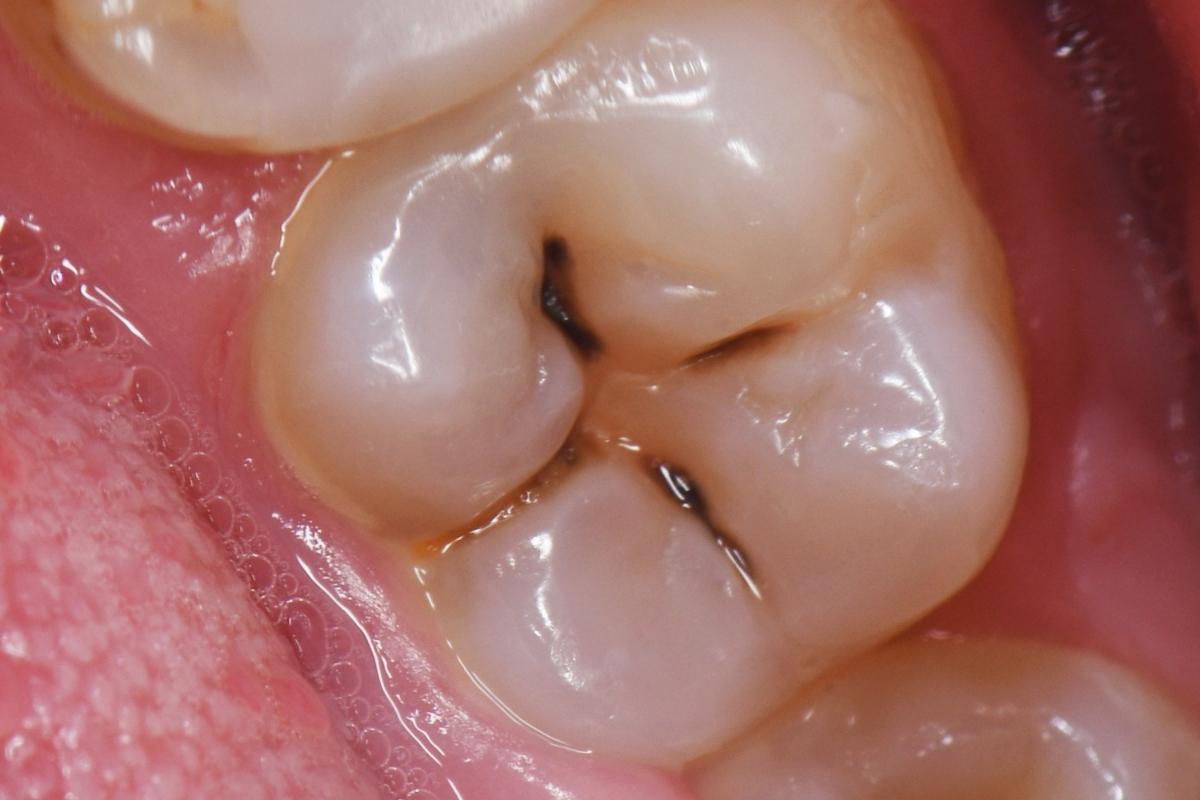
Severe Decay: When a tooth has deep decay, a filling might not be enough to restore it. A crown covers the weakened tooth, protecting it from further decay and breakage.
Cracked or Chipped Teeth: Teeth can become cracked from injury, grinding, or chewing hard foods. A cap keeps the tooth stable and prevents the crack from worsening.
Worn-Down Teeth: Teeth grinding (bruxism) can wear down teeth over time, leading to sensitivity and an increased risk of damage. Dental coverings help restore the original form of the tooth while safeguarding it against further deterioration.
Post-Root Canal Treatment: Teeth are more fragile after a root canal. A cap adds a layer of protection to maintain the teeth’s function and appearance.
The Benefits of Porcelain Crowns?
There are several materials for dental coverings, but porcelain is a preferred option for its natural look and durability. These caps blend seamlessly with natural teeth, giving you a balanced, attractive smile. The following advantages make porcelain an excellent choice:
Natural Appearance: Porcelain is known for its realistic, tooth-like translucency. It mimics the light-reflecting properties of natural enamel, so it doesn’t look artificial.
Durable and Stain-Resistant: Porcelain covers resist staining from foods, beverages, and smoking, helping you maintain a bright smile. With proper care, a porcelain cap can last 10–15 years or more.
Biocompatible and Safe: Porcelain is non-reactive and a safe option for people with metal allergies. Since it’s compatible with gum tissue, it also promotes a healthy gum line around the protective tooth cover.
Although dental caps are strong, they must be treated with care. To maintain their integrity and prevent damage, refrain from using your teeth on rigid items such as pens or ice cubes.
The Dental Crown Procedure: What to Expect
Getting a toothcap typically involves two visits to the general dentist. Here’s a breakdown of what you can expect:
Examination and Tooth Preparation: Your dental practitioner will examine the tooth, possibly taking X-rays to check its roots and surrounding bone. If the tooth is decayed or damaged, they’ll clean and shape it to fit the cap. This step may involve filing down the tooth if there’s enough natural structure.
For larger damages, dentists might restore teeth to support the dental coverings. Then, an impression of the prepared tooth is taken and sent to a lab to customize porcelain caps.
Temporary Crown: While waiting for your permanent cap, you’ll receive a temporary one. The restoration safeguards the treated tooth and restores your normal chewing ability. Avoid sticky or hard foods with the temporary dental cap, as it’s not as durable as the final one.
Crown Placement: When your custom cap is ready, your dentist will remove the temporary cover and fit the permanent one. They’ll check the crown’s fit and color to ensure it matches your smile perfectly. Once you are happy with the look and fit, the cap is cemented to your tooth securely.
Caring for Your Crown
Proper care can extend the life of your toothcap and keep it looking great. Follow these tips to maintain your dental coverings:
- Good Oral Hygiene: Brush twice daily with fluoride toothpaste and floss around your tooth covers to prevent plaque buildup.
- Regular Dental Checkups: Your dentist can spot any issues early and ensure the crown remains in good condition.
- Avoid Hard Foods: Although porcelain is durable, it’s still wise to avoid chewing ice or other hard foods directly on the cap.
Crowns are resistant to decay, but the tooth underneath can still get cavities. Regular checkups ensure that both the cap and your underlying tooth stay healthy.
Choosing the Right Dentist for Your Tooth Cap
It is important to spot a reputed dentist for a successful crown placement. An expert will ensure your dental caps fit well, function comfortably, and look natural. They’ll also guide you in choosing the best materials for tooth coverings based on your lifestyle and specific needs.
Dental crowns can restore your smile, protect damaged teeth, and give you lasting confidence. Porcelain offers a beautiful, natural appearance and is reliable for the cap’s durability. If you want to consult a dentist to discuss your options for tooth coverings, Book an appointment to get the best care for a healthy, attractive smile.