(501) 374-2929

Cavities to Tooth Decay: Understanding the Effects of Sugar and How a Dentist Can Help


Sugar may taste sweet, but its effects on your teeth can be anything but pleasant. From minor cavities to advanced tooth decay, excess sugar consumption is one of the leading causes of dental problems for children, teens, and adults alike. If you’ve ever wondered how sugar truly impacts your smile—and what you can do to prevent long-term damage—you’re not alone.
At Downtown Dental Care in Little Rock, AR, Dr. Gregory L. Stafford helps patients understand the connection between sugar and oral health every day. With the right preventive care, education, and treatment, tooth decay is largely avoidable.
Let’s explore how sugar affects your teeth and how a trusted local dentist can help protect your smile.
How Sugar Leads to Cavities and Tooth Decay
Many people assume sugar directly “eats away” at teeth. In reality, sugar fuels harmful bacteria in your mouth.
Here’s how the process works:
- You consume sugary foods or drinks.
- Bacteria in your mouth feed on that sugar.
- These bacteria produce acid as a byproduct.
- The acid attacks your tooth enamel.
- Repeated acid attacks weaken enamel, leading to cavities.
Tooth enamel is the hard outer layer that protects your teeth. Once enamel erodes, it does not regenerate. Without treatment, small cavities can progress into deeper decay, infection, and even tooth loss.
The Hidden Sources of Sugar Damaging Your Teeth
Candy and soda are obvious culprits—but many patients at Downtown Dental Care are surprised to learn how often sugar hides in everyday foods.
Common hidden sugar sources include:
- Sports and energy drinks
- Sweetened coffee beverages
- Fruit juices
- Granola bars
- Flavored yogurt
- Sauces like ketchup and barbecue sauce
Even “healthy” snacks can expose your teeth to frequent acid attacks. The key factor isn’t just how much sugar you eat—it’s how often you consume it. Frequent snacking keeps acid levels high and prevents enamel from recovering.
From Early Cavities to Advanced Tooth Decay
Tooth decay doesn’t happen overnight. It develops in stages:
Stage 1: Enamel Demineralization
White spots may appear on teeth as minerals are lost. At this stage, fluoride treatments and improved oral hygiene can reverse early damage.
Stage 2: Enamel Decay (Cavity Formation)
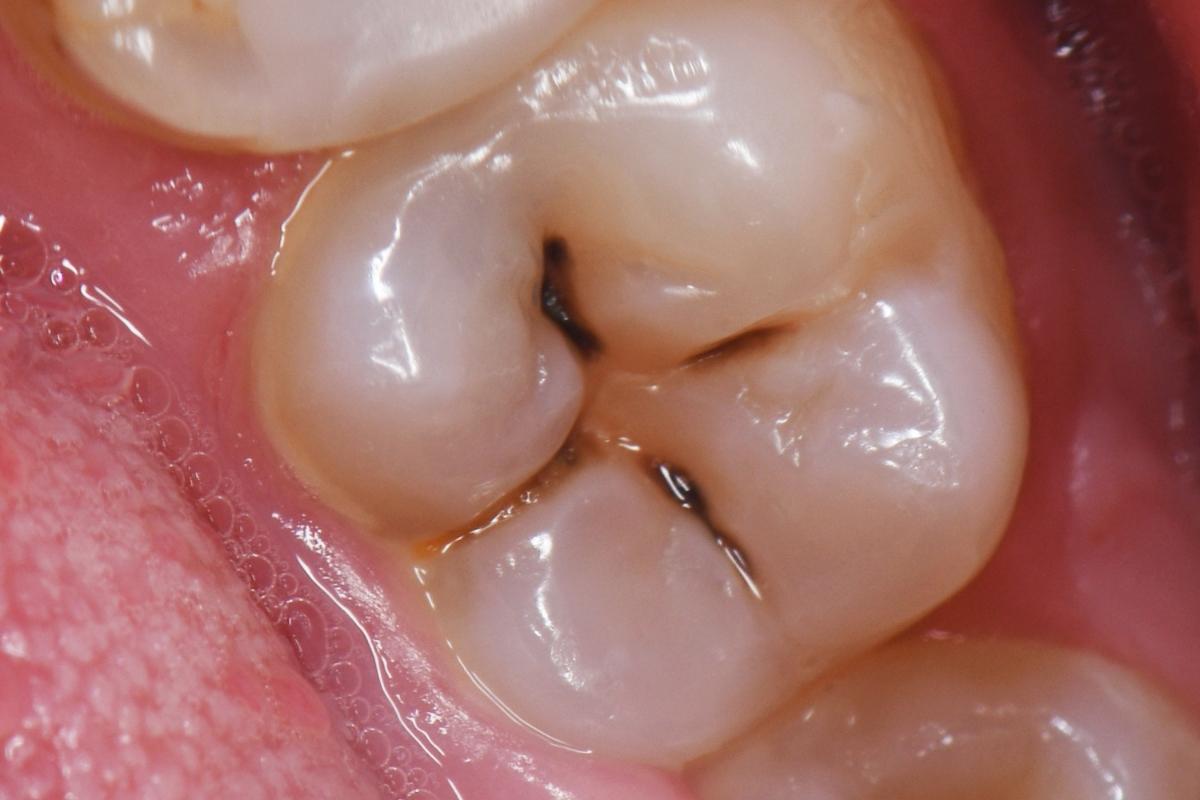
A small hole forms in the enamel. This requires a dental filling to prevent further damage.
Stage 3: Dentin Decay
Decay spreads beneath the enamel into the softer dentin layer. Sensitivity often develops at this point.
Stage 4: Pulp Infection
If untreated, bacteria reach the pulp (inner tissue containing nerves). This can cause severe pain and may require root canal therapy.
Stage 5: Abscess or Tooth Loss
Advanced infection can lead to swelling, bone loss, and potential tooth extraction.
The earlier tooth decay is detected, the simpler and less expensive the treatment.
How Dr. Gregory L. Stafford Helps Protect Your Smile
At Downtown Dental Care, prevention is always the priority. Dr. Gregory L. Stafford and his team provide comprehensive preventive dentistry designed to stop cavities before they start.
Professional Dental Cleanings
Even with excellent brushing and flossing habits, plaque can harden into tartar. Professional cleanings remove buildup that contributes to tooth decay and gum disease.
Comprehensive Dental Exams
Routine exams allow Dr. Stafford to detect small cavities early—before they become painful or costly problems.
Fluoride Treatments
Fluoride strengthens enamel and helps reverse early signs of decay.
Dental Sealants
Sealants protect the chewing surfaces of molars, reducing cavity risk—especially for children and teens.
Tooth-Colored Fillings
If cavities do develop, we offer natural-looking composite fillings to restore your tooth’s strength and appearance.
Practical Tips to Reduce Sugar-Related Tooth Decay
While professional care is essential, daily habits make a big difference.
Here are dentist-recommended strategies to reduce sugar damage:
- Limit sugary snacks between meals
- Drink water after consuming sweets
- Wait 30 minutes before brushing after acidic foods
- Brush twice daily with fluoride toothpaste
- Floss once daily
- Chew sugar-free gum to stimulate saliva
- Avoid sipping sugary drinks throughout the day
Saliva plays a powerful role in protecting your teeth. It helps neutralize acid and wash away food particles. Staying hydrated supports natural enamel defense.
Why Preventive Dentistry Matters in Little Rock, AR
Tooth decay is one of the most common chronic conditions—but it’s also one of the most preventable. Regular dental visits every six months allow early detection and protect your long-term oral health.
At Downtown Dental Care in Little Rock, patients receive personalized treatment plans tailored to their unique needs. Whether you’re dealing with a minor cavity or more advanced tooth decay, Dr. Stafford offers compassionate, modern care in a comfortable setting.
Ignoring early symptoms like sensitivity or mild tooth pain can lead to more complex procedures down the road. Taking action now saves time, discomfort, and expense.
Protect Your Smile Before Sugar Causes Serious Damage
Understanding how sugar affects your teeth empowers you to make smarter decisions for your oral health. The good news is that cavities and tooth decay are preventable with the right combination of home care and professional treatment.
If it has been more than six months since your last visit, or if you’re experiencing sensitivity or tooth pain, don’t wait. Early treatment is the key to preserving your natural smile.
Book your appointment today or visit our dental office at 601 W Capitol Ave B, Little Rock, AR 72201.
FAQs
1. How quickly can sugar cause cavities?
Cavities don’t form instantly, but acid attacks begin within minutes after consuming sugar. Repeated exposure over time leads to enamel breakdown and cavity formation.
2. Is natural sugar better for teeth than processed sugar?
Both natural and processed sugars can feed harmful bacteria. Sticky natural sugars, like dried fruit, can be just as damaging as candy.
3. Can early tooth decay be reversed?
Yes. In its earliest stage (demineralization), fluoride treatments and improved oral hygiene can reverse damage before a cavity forms.
4. How often should I visit the dentist to prevent cavities?
Most patients benefit from dental checkups and cleanings every six months. Some individuals may require more frequent visits depending on risk factors.
5. What are the signs I may already have tooth decay?
Common symptoms include tooth sensitivity, pain when biting, visible holes in teeth, bad breath, or dark spots on enamel. A dental exam confirms the diagnosis.