(501) 374-2929

Why Are My Teeth Yellow? 5 Common Causes of Tooth Discoloration

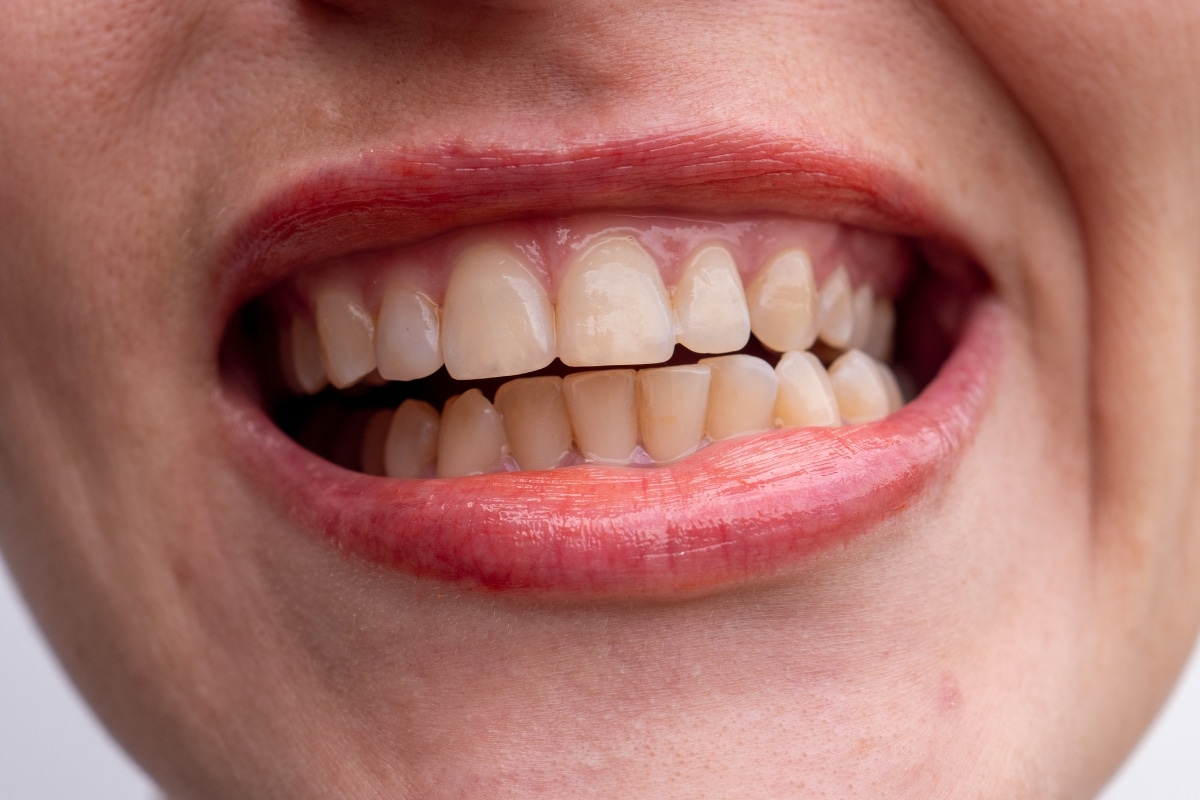
A bright, white smile is something most of us want, but for many people, yellowing teeth show up gradually and without warning. If you have noticed your smile looking duller than it used to, you are not alone. Tooth discoloration is one of the most common concerns patients bring up during their visits to our dental office in Little Rock.
The good news is that yellow teeth are usually treatable, and understanding what is causing the discoloration is the first step toward fixing it. In this blog, our team at Downtown Dental Care breaks down five common reasons your teeth may be turning yellow and what you can do about it.
1. Everyday Foods and Drinks
Coffee, tea, red wine, and dark sodas are some of the biggest culprits behind stained teeth. These beverages contain chromogens, which are pigment compounds that cling to the enamel on your teeth over time. Foods like berries, tomato sauce, and soy sauce can have a similar effect.
The outer layer of your tooth, called enamel, is naturally porous. This means it can absorb color from what you eat and drink every day. The more frequently you consume these items without rinsing or brushing afterward, the more noticeable the staining becomes.
2. Tobacco Use
Smoking and chewing tobacco are among the most damaging habits for your smile. Nicotine and tar can seep into the tiny grooves of your enamel, leading to yellow or even brownish stains that are difficult to remove with regular brushing. Tobacco use also increases your risk of gum disease, which can make discoloration appear even more pronounced.
If you use tobacco products and have noticed your teeth changing color, a professional cleaning combined with a whitening treatment can often restore much of your smile’s natural brightness.
3. Natural Aging
As we get older, the outer enamel layer on our teeth naturally wears down. Underneath that enamel is a layer called dentin, which has a yellowish tone. As enamel thins with age, more of that dentin becomes visible, which is why many adults notice their teeth gradually appearing more yellow, even if they have always taken good care of them.
This is a completely normal part of aging, but it is also one of the easiest types of discoloration to address with a cosmetic whitening treatment.
4. Poor Oral Hygiene Habits
Skipping brushing or flossing, even occasionally, allows plaque to build up on your teeth. Over time, this plaque can harden into tartar, which often has a yellow or brown tint and cannot be removed with a toothbrush alone. Inconsistent oral hygiene not only affects the color of your teeth but can also lead to cavities and gum problems if left unaddressed.
Routine dental cleanings, paired with a solid at-home brushing and flossing routine, go a long way in keeping your smile looking its best.
5. Medications and Genetics
Certain medications, including some antibiotics like tetracycline, can cause intrinsic staining, which means the discoloration happens inside the tooth rather than on the surface. This type of staining often develops during childhood if the medication was taken while teeth were still forming, but it can also affect adults.
Genetics also play a role. Some people are simply born with thicker or naturally whiter enamel, while others have enamel that is thinner or more prone to yellowing. If discoloration runs in your family, professional treatment is often the most effective way to see real improvement.
How We Treat Yellow Teeth at Downtown Dental Care
Every smile is different, which is why we take time to understand the cause of your discoloration before recommending a treatment plan. As a trusted dentist in Little Rock, we offer several options designed to fit different needs and goals, including:
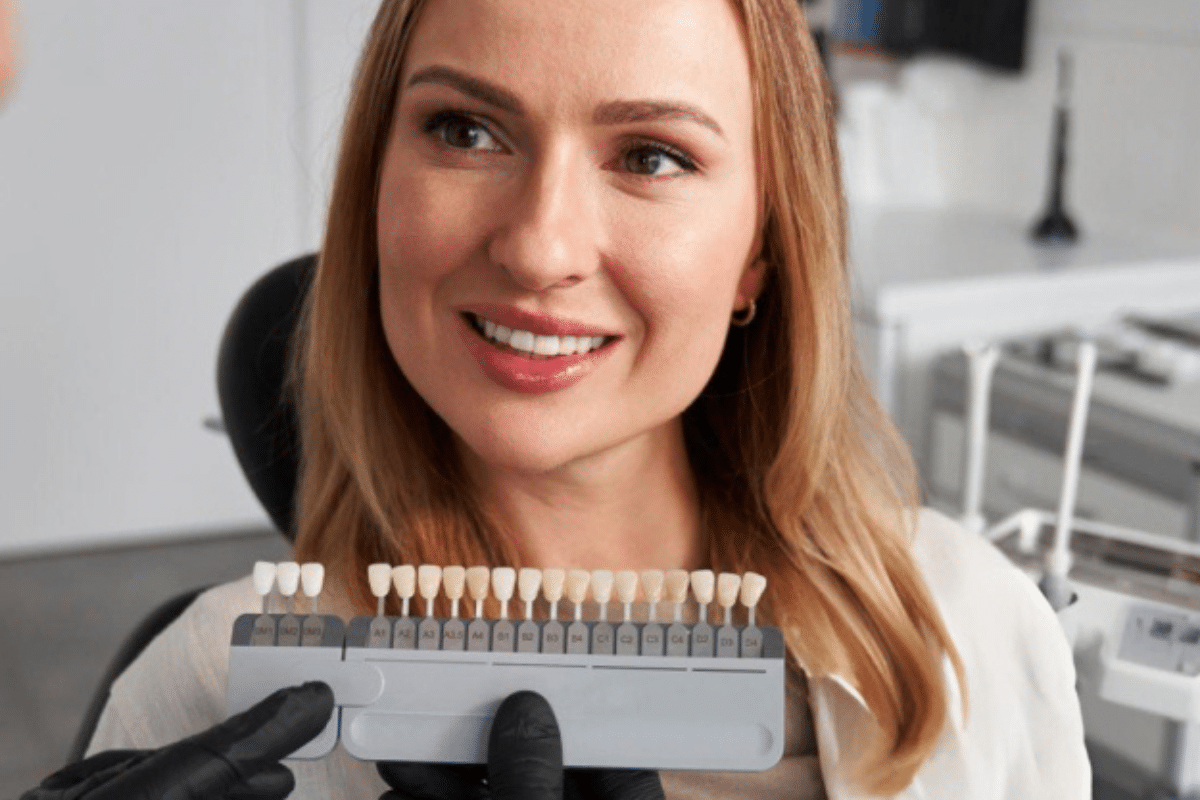
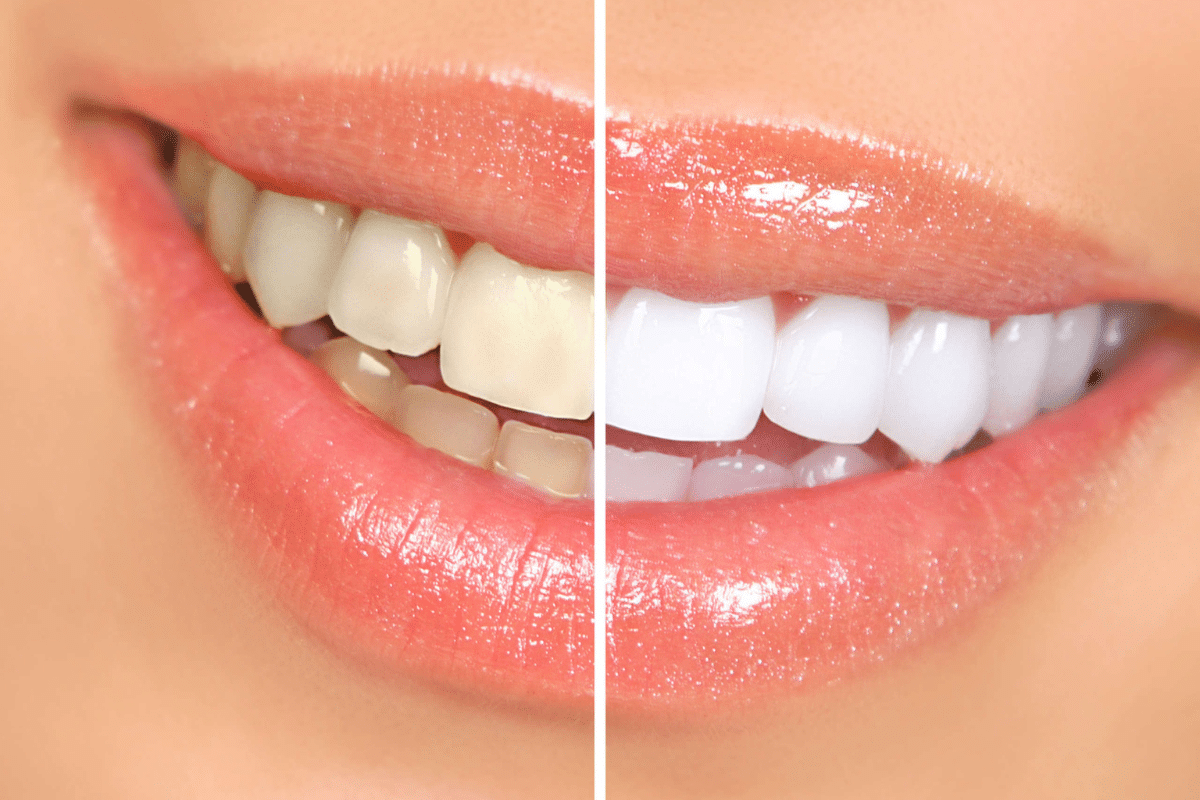
Professional Teeth Whitening: Our in-office teeth whitening treatments use professional-grade gel and light activation to lift both surface stains and deeper discoloration, often producing noticeably brighter results in a single visit.
Luma Cool Whitening System: This advanced in-office system uses a series of activated bleach applications followed by custom take-home trays, giving you a bright smile that continues to improve over the following two weeks.
Porcelain Veneers and Dental Bonding: For discoloration that does not respond well to whitening alone, our cosmetic dentist in Little Rock may recommend veneers or bonding to create a naturally bright, even smile that lasts.
Because everyone’s teeth respond differently, results can vary from person to person, and our team will walk you through realistic expectations during your consultation.
Ready for a Brighter Smile?
You do not have to live with a smile that makes you feel self-conscious. Whether your discoloration comes from your morning coffee habit, natural aging, or something else entirely, our team is here to help you find the right solution. Call us today or request an appointment online to schedule your consultation with Dr. Gregory L. Stafford or Dr. Caleb Crow. We are located at 601 W. Capitol Ave. Suite B, Little Rock, AR 72201, and we would love to help you put your best smile forward.
Frequently Asked Questions
Q. How long does professional teeth whitening last?
A. Results vary depending on your habits and oral hygiene, but professional teeth whitening in Little Rock typically lasts anywhere from several months to a couple of years. Avoiding staining foods and drinks, along with regular dental checkups, can help your results last longer.
Q. Is teeth whitening safe for everyone?
A. Most healthy adults are good candidates for professional whitening. However, some patients with certain dental conditions or heavily restored teeth may need an alternative treatment. A consultation with our dental office helps determine the safest option for you.
Q. Can I whiten my teeth at home instead of visiting the dentist?
A. Over-the-counter products can offer mild improvement for surface stains, but they are generally less effective and less predictable than professional treatment. In-office whitening is supervised by our dental team, which helps protect your enamel and gums while delivering more consistent results.
Q. Will whitening work on all types of stains?
A. Whitening treatments tend to work best on surface-level stains. Deeper, intrinsic discoloration caused by medication or trauma may respond better to veneers or bonding. Our cosmetic dentist can help determine which option is right for your smile.