(501) 374-2929

10 Reasons Why Some Dentists Advise Against Getting Veneers

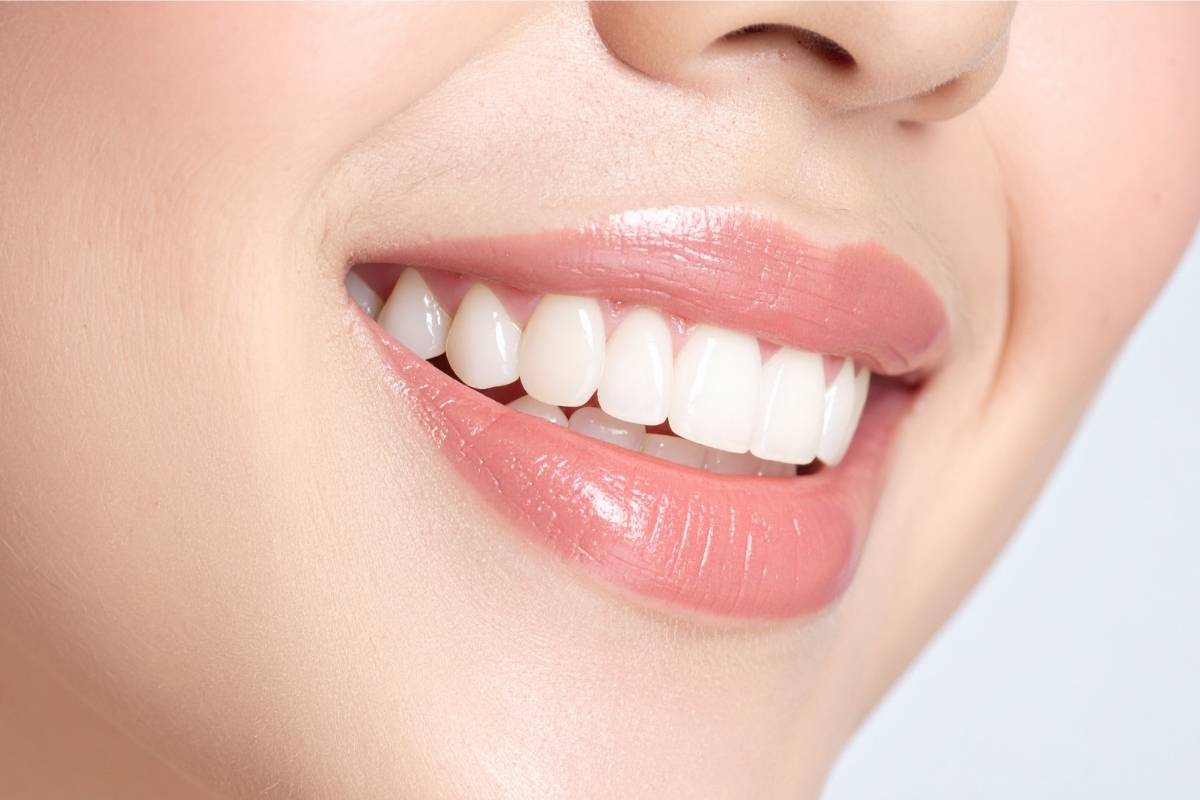
Dental veneers have become one of the most popular cosmetic dentistry treatments for achieving a flawless smile. They can conceal stains, chips, gaps, and misalignments with stunning, natural-looking results. However, while veneers offer many benefits, they aren’t the perfect solution for everyone. In fact, some dentists may recommend alternative treatments based on your dental health, lifestyle, and long-term needs.
If you’re considering veneers and want expert guidance, it’s important to understand both their advantages and potential drawbacks. Here are 10 reasons why some dentists advise against getting veneers, brought to you by your trusted dental team.
1. Veneers Require Permanent Enamel Removal
To place veneers, your dentist must remove a thin layer of enamel from your teeth to make room for the porcelain shells. This process is irreversible. Once enamel is removed, it cannot grow back, meaning you’ll always need some type of covering on those teeth—veneers or otherwise. Dentists who value conservative treatment may advise against veneers for patients who prefer to maintain natural tooth structure.
2. They Can Increase Tooth Sensitivity
After enamel removal, some patients experience sensitivity to hot and cold foods or beverages. This happens because the underlying dentin layer becomes slightly exposed. While the sensitivity often subsides after a few weeks, for some individuals it may persist long-term. Dentists may recommend bonding or whitening instead if you’re prone to tooth sensitivity.
3. Veneers Don’t Address Underlying Dental Problems
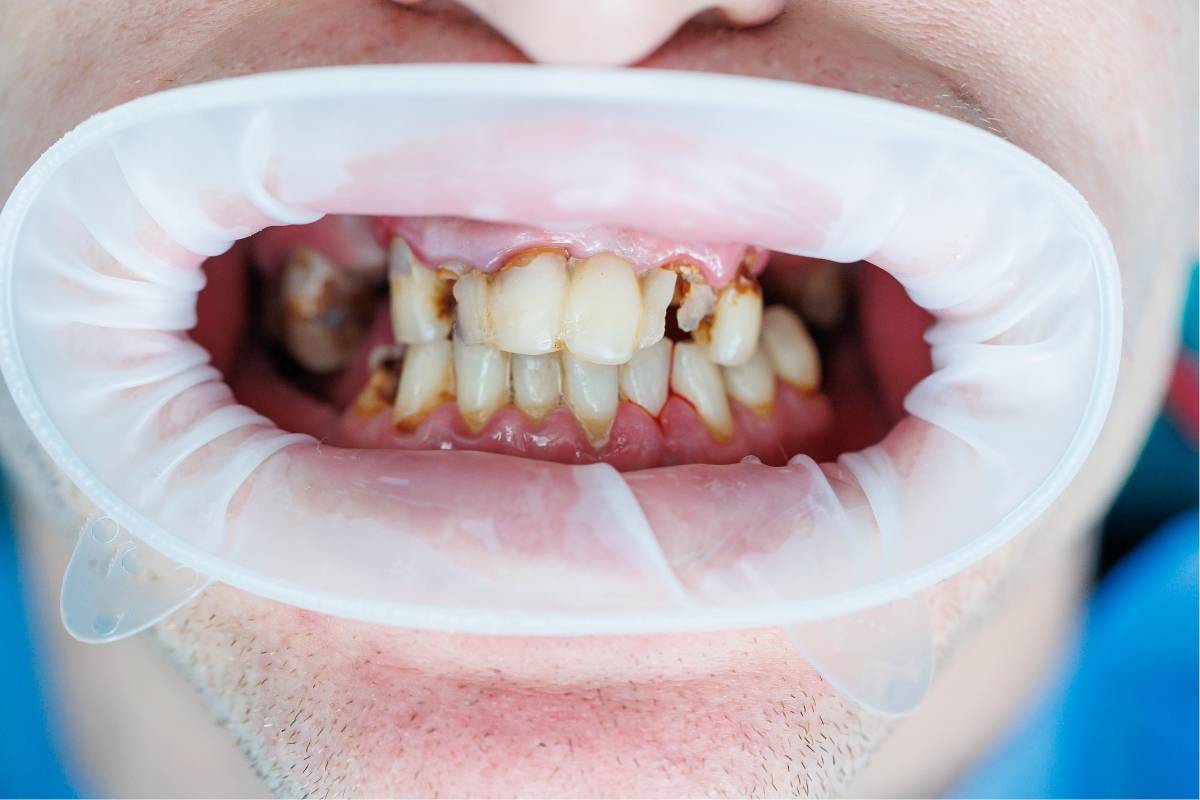
Dental veneers are primarily cosmetic. They can cover imperfections like discoloration or minor misalignments, but they won’t fix deeper oral health issues such as gum disease, decay, or weak enamel. Applying veneers over unhealthy teeth can lead to complications later on, so a responsible dentist will address those conditions before considering veneers—or may recommend against them altogether.
4. They’re Not Ideal for People Who Grind Their Teeth (Bruxism)
If you habitually grind or clench your teeth, veneers might not last long. Grinding can chip or crack the thin porcelain, requiring costly repairs or replacements. For patients with bruxism, dentists often suggest nightguards, orthodontics, or composite bonding before considering veneers.
5. Veneers Can Be Expensive and Require Maintenance
Porcelain veneers are an investment. While they can last 10–15 years with proper care, they may need replacement over time due to wear or damage. Additionally, if one veneer breaks, it’s often necessary to replace the entire set for a uniform look. Dentists may caution patients about the long-term financial commitment veneers require compared to less invasive cosmetic treatments.
6. Color Matching Limitations After Placement
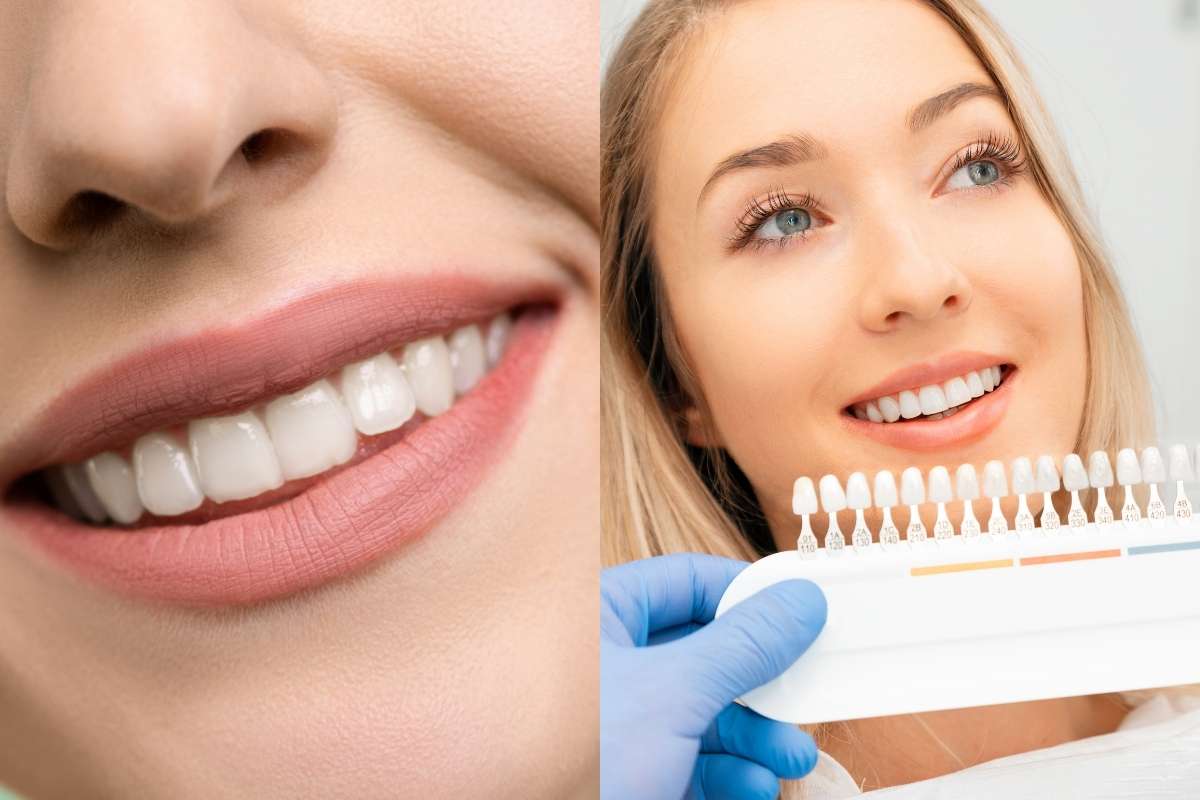
Veneers are stain-resistant, which is a benefit—but it also means their color cannot be altered once applied. If your natural teeth become discolored over time, the veneers will remain the same shade, potentially creating a mismatch. Some dentists recommend teeth whitening or orthodontic options first, especially for younger patients whose tooth color may change in the future.
7. They May Not Be Suitable for Severely Damaged or Weak Teeth
Veneers work best on strong, healthy teeth. If you have significant decay, fractures, or large fillings, veneers may not provide adequate coverage or support. In such cases, a dental crown might be a better choice because it restores both the function and appearance of a damaged tooth. Dentists who prioritize structural integrity will often guide patients toward more protective solutions.
8. They Don’t Last Forever
Even though veneers are durable, they eventually need replacement. Over time, gums may recede, exposing the edge of the veneer, or the adhesive may weaken. Natural wear and tear can also dull their luster. Because veneers are not a one-time procedure, some dentists encourage patients to consider the long-term upkeep before committing.
9. Risk of Damage from Poor Habits
Chewing on hard objects like ice, pens, or fingernails can damage veneers. Additionally, habits like using your teeth to open packages can crack or chip the porcelain. If a patient admits to these behaviors or has difficulty avoiding them, dentists may advise against veneers to prevent premature failure.
10. Alternative Cosmetic Options May Be Better
Depending on your aesthetic goals and dental condition, other treatments might achieve the same results more conservatively. Options include:
- Teeth Whitening: Ideal for discoloration without structural changes.
- Cosmetic Bonding: Fixes minor chips, cracks, and gaps with composite resin.
- Invisalign or Braces: Correct alignment without altering tooth surfaces.
- Dental Crowns: Restore both function and aesthetics for severely damaged teeth.
Dentists who take a holistic approach will weigh all available options before recommending veneers, ensuring your treatment supports both beauty and long-term health.
When Veneers Are the Right Choice
While there are valid reasons to proceed with caution, veneers can still be an excellent option for many patients. When placed by a skilled cosmetic dentist and cared for properly, they deliver stunning, natural-looking results. Ideal candidates for veneers typically have:
- Healthy gums and teeth
- No history of bruxism
- Realistic expectations about maintenance and longevity
- A desire for a long-term cosmetic transformation
Your dentist can assess your oral health, discuss your goals, and determine whether veneers or another cosmetic solution is best for your smile.
Caring for Veneers and Maintaining Results
If you and your dentist decide veneers are right for you, maintaining them is key to their longevity. Follow these tips to keep your smile beautiful:
- Brush and floss daily with non-abrasive toothpaste.
- Avoid biting into hard foods like ice or candy.
- Wear a mouthguard if you grind your teeth.
- Visit your dentist regularly for checkups and cleanings.
With proper care, veneers can maintain their brilliance for many years.
Veneers are a powerful cosmetic solution—but they aren’t suitable for everyone. Some dentists advise against them because of their permanence, maintenance needs, and potential for long-term sensitivity or damage. Understanding these considerations helps you make an informed decision about your smile makeover.
If you’re thinking about veneers or exploring other cosmetic dentistry options, visit our dental office at 601 W. Capitol Ave. Suite B, Little Rock, AR 72201. Our experienced team can help you achieve a radiant, healthy smile that’s right for your lifestyle and goals.