(501) 374-2929

Simple Guide: How Contouring & Reshaping Teeth Works


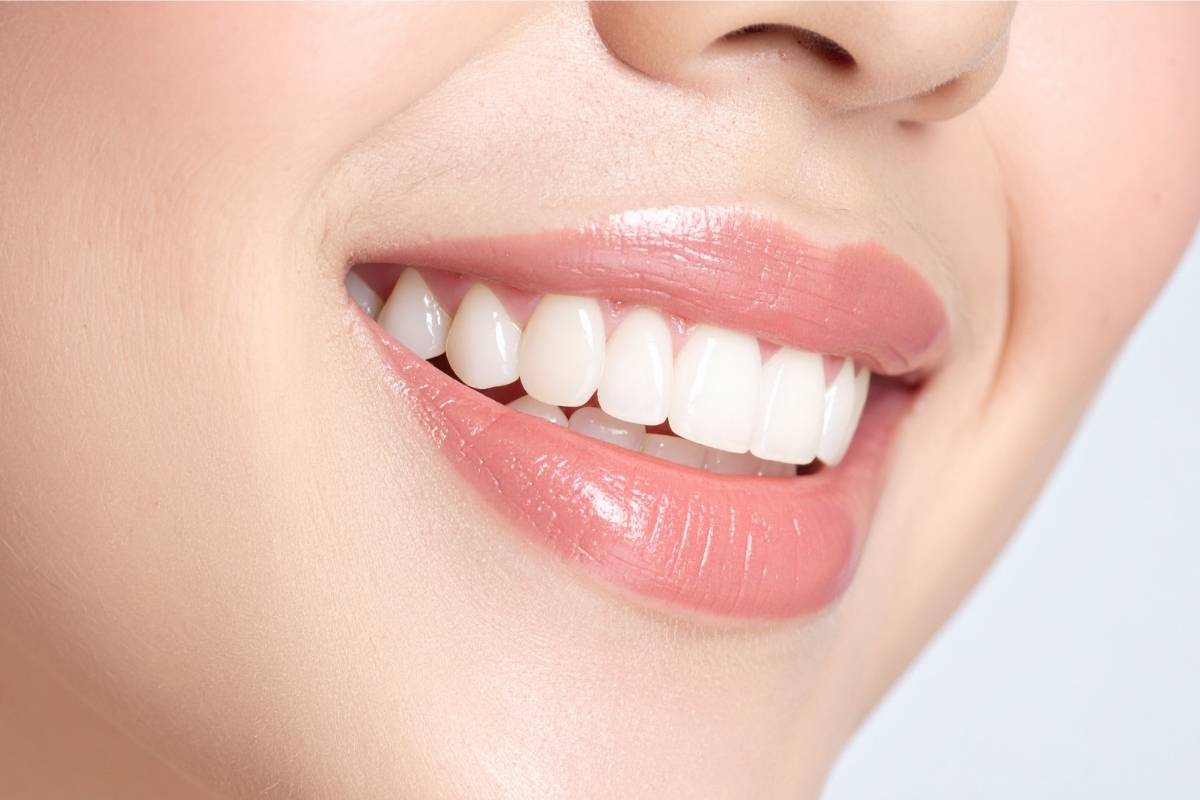
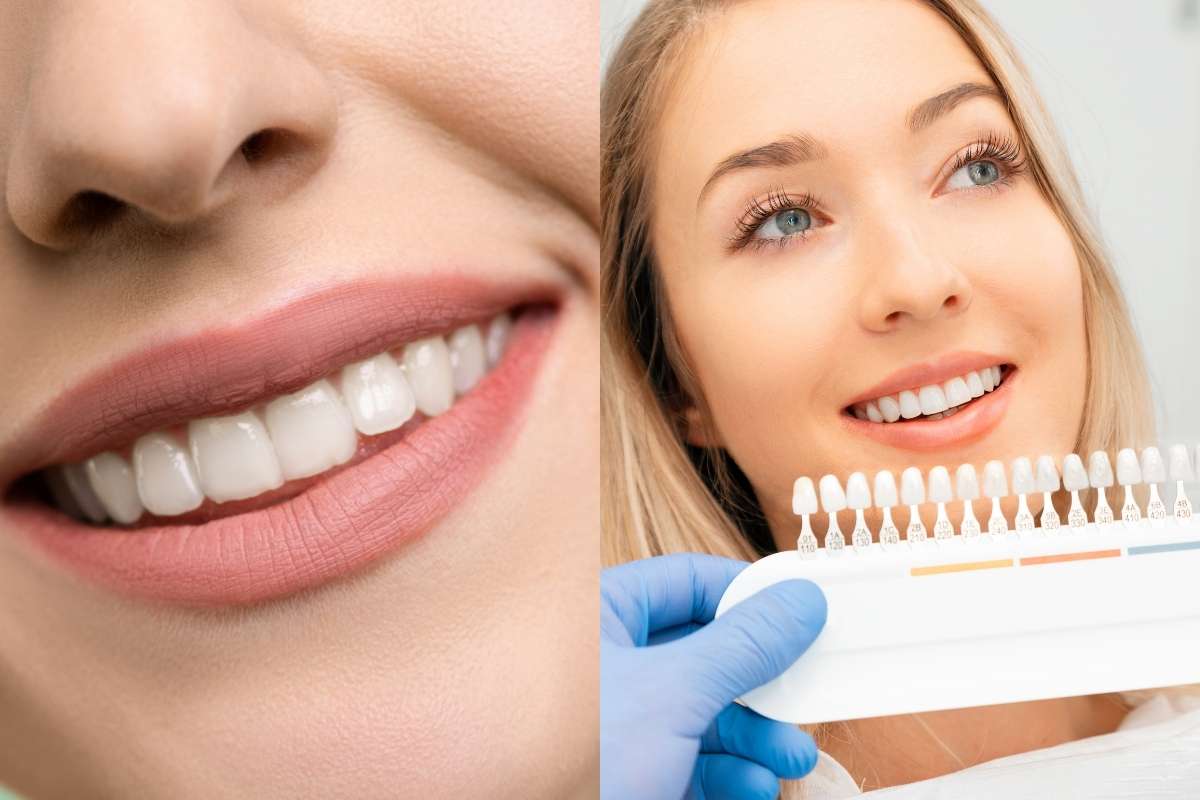
Are you looking for a quick, non-invasive way to enhance your smile? Dental contouring and reshaping could be the solution. This cosmetic dental procedure involves reshaping the edges of your teeth to improve their appearance. In this blog, we’ll explore how contouring and reshaping teeth works, what to expect from the procedure, and the benefits it offers.
What Is Teeth Contouring and Reshaping?
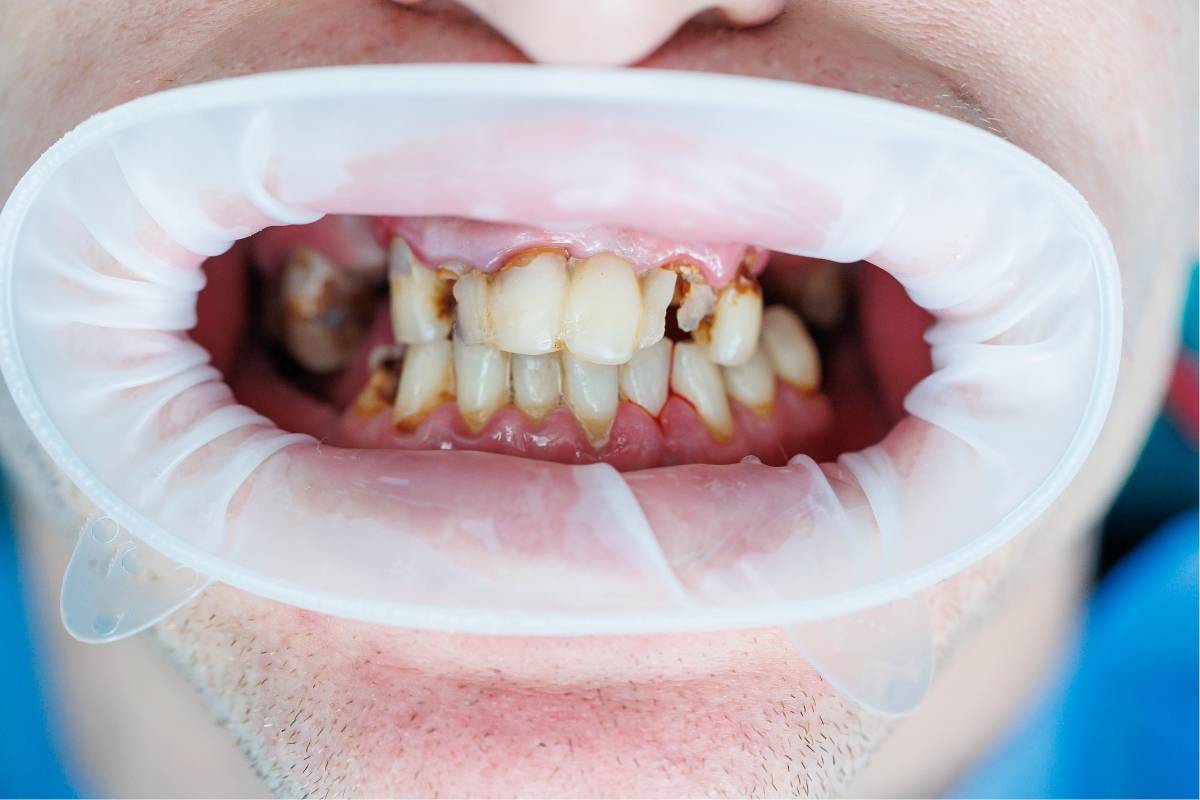
Teeth contouring and reshaping, also known as enameloplasty or odontoplasty, is a cosmetic dental treatment that involves removing small amounts of enamel to smooth out imperfections and enhance the symmetry of your teeth. It’s a conservative procedure that can correct issues like:
- Chipped or uneven teeth
- Slight overlaps
- Irregularly shaped teeth
- Teeth that are too long or pointy
- Minor crowding
Since enamel is the outermost layer of the tooth, reshaping it can make a big difference in the overall aesthetics of your smile. However, this treatment is best suited for minor imperfections, as it doesn’t involve any significant structural changes to the teeth.
How Does Teeth Contouring and Reshaping Work?
The process of contouring and reshaping teeth is relatively simple and can often be completed in a single visit to Downtown Dental Care in Little Rock, AR. Here’s a step-by-step breakdown of what happens during the procedure:
- Consultation and Examination
- Before the procedure, your dentist will evaluate your teeth and take X-rays to ensure that there’s enough enamel to work with. Contouring removes only a small portion of enamel, so it’s important to make sure that your teeth are healthy enough for the procedure.
- During this consultation, your dentist will also discuss your goals and expectations for the treatment, ensuring that it’s the right solution for your needs.
- Smoothing and Shaping
- Once your dentist confirms that contouring is a suitable option, they will use a fine sanding tool, laser, or dental drill to carefully trim and smooth the enamel on the affected teeth.
- The dentist will shape the edges of the teeth, correct minor imperfections, and create a more symmetrical appearance. This process is gentle and painless because the enamel does not contain nerves.
- Polishing the Teeth
- After the reshaping is complete, the dentist will polish the teeth to create a smooth and natural finish. This final step enhances the shine and helps your teeth blend seamlessly with the rest of your smile.
What Are the Benefits of Teeth Contouring and Reshaping?
Teeth contouring and reshaping offers a variety of benefits, making it a popular cosmetic treatment. Here are some of the key advantages:
- Quick and Painless Procedure
- Since contouring only affects the enamel, there’s no need for anesthesia, and the process is virtually painless. You can walk into your dentist’s office and walk out with a more attractive smile in just one visit.
- Non-Invasive
- Unlike other cosmetic treatments like veneers or crowns, contouring is a minimally invasive procedure. There’s no need for drilling into the tooth structure or placing restorations. This makes it a great option for those looking for a more natural approach.
- Instant Results
- One of the main benefits of teeth contouring and reshaping is the immediate improvement in your smile. There’s no need to wait for weeks to see the results—you’ll notice the difference right away.
- Affordable
- Compared to other cosmetic procedures, teeth contouring is relatively inexpensive. It’s a cost-effective way to make small adjustments to your smile without the need for more complex treatments.
- Boosts Oral Health
- In addition to its cosmetic benefits, contouring can also improve your oral health. Smoothing out rough edges or overlapping teeth makes it easier to clean, reducing the risk of plaque buildup and tooth decay.
Who Is a Good Candidate for Teeth Contouring?
Teeth contouring is ideal for people with minor cosmetic concerns and sufficient enamel thickness. If you have significant gaps, misalignment, or structural damage to your teeth, other treatments like orthodontics, bonding, or veneers may be more appropriate.
Before undergoing this procedure, your dentist will thoroughly examine your teeth to ensure they are healthy and strong. If you have existing issues like tooth decay, gum disease, or weak enamel, these problems will need to be addressed before cosmetic contouring can be considered.
What to Expect After Teeth Contouring
Because the procedure is so conservative, there’s very little downtime or recovery after teeth contouring. You may experience some slight sensitivity, but this should subside within a few days. It’s important to maintain good oral hygiene and avoid habits like teeth grinding or chewing on hard objects, as these can wear down the newly contoured enamel.
Conclusion
Teeth contouring and reshaping is a quick, painless, and effective way to enhance the appearance of your smile. If you have minor imperfections in your teeth, this procedure can help you achieve a more balanced, attractive look without the need for invasive treatments. Always consult with your dentist to determine if contouring is right for you and to discuss any other cosmetic goals you might have. With the right approach, you can enjoy a stunning smile that boosts both your confidence and oral health!