(501) 374-2929

Porcelain or Composite Veneers? A Little Rock Guide to the Right Choice for Your Teeth

When it comes to achieving a radiant and flawless smile, dental veneers have become one of the most popular cosmetic solutions available. Whether you’re looking to fix chipped teeth, close gaps, improve tooth shape, or whiten your smile, veneers offer a long-lasting and minimally invasive treatment. But one key decision remains: Should you choose porcelain or composite veneers? If you live in Little Rock and are considering enhancing your smile, this guide will help you understand the differences between these two types of veneers and guide you toward the best option for your unique dental needs.
What Are Dental Veneers?
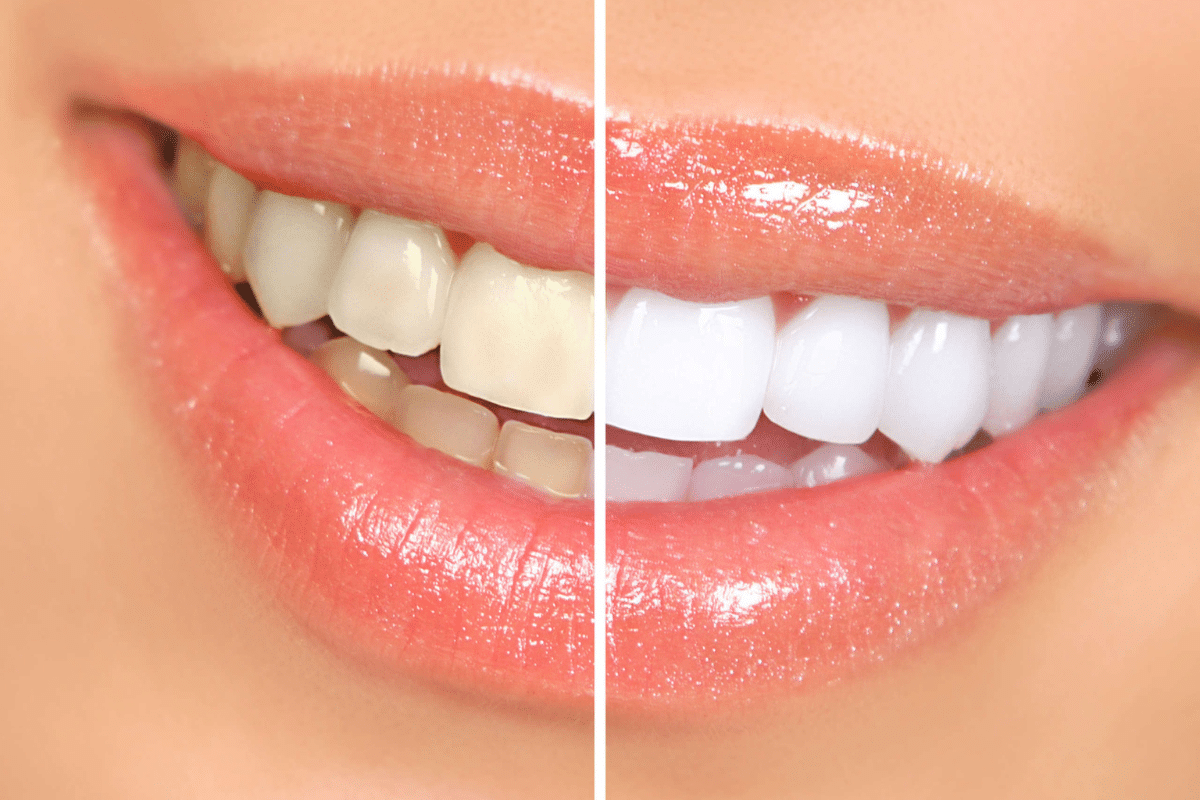
Dental veneers are thin shells that are bonded to the front surface of your teeth to enhance their appearance. They are custom-made to match your natural teeth in size, shape, and color. Veneers are a popular choice for patients looking to correct imperfections such as:
- Stained or discolored teeth
- Minor misalignment
- Chipped or worn enamel
- Gaps between teeth
- Irregular tooth shape
There are two primary types of dental veneers: porcelain veneers and composite resin veneers. Both offer aesthetic and functional benefits, but the materials and application methods differ significantly.
Porcelain Veneers: Durable and Natural-Looking
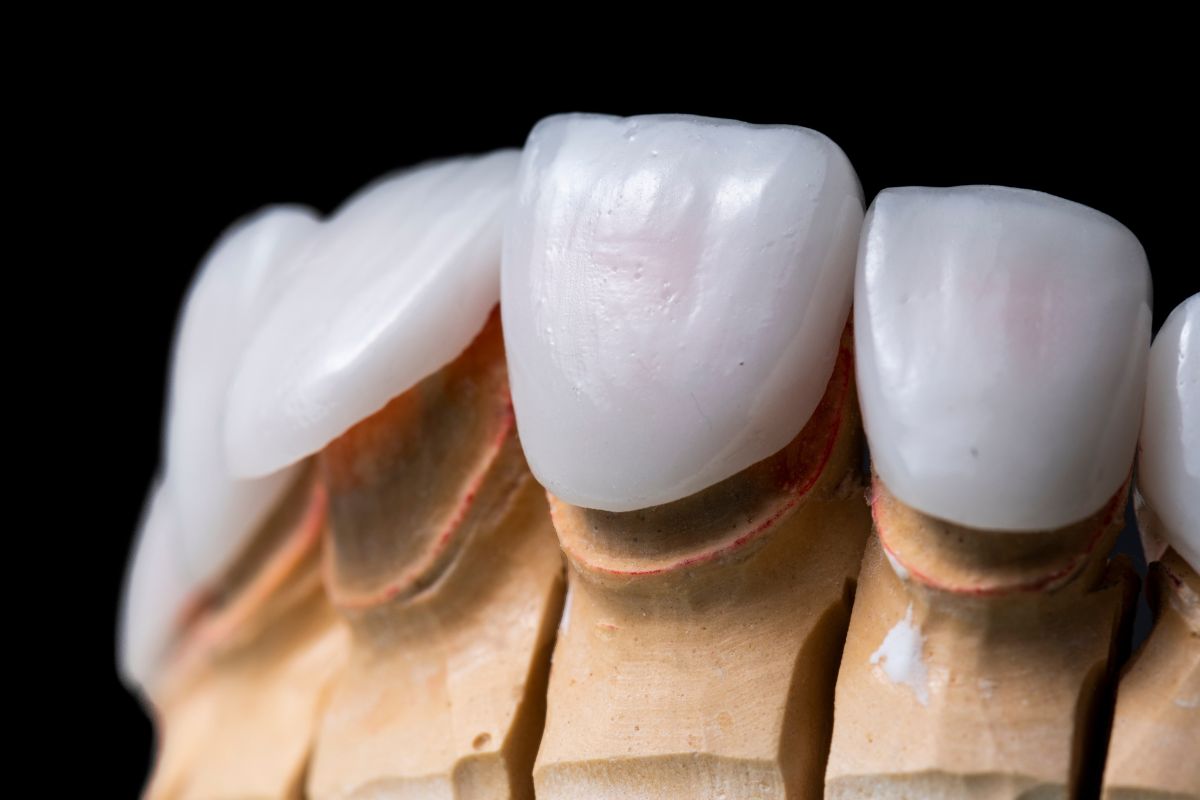
Porcelain veneers are crafted from high-quality ceramic material that closely mimics the translucency and appearance of natural tooth enamel. These veneers are known for their durability and stain resistance, making them an ideal choice for long-term cosmetic enhancement.
Pros of Porcelain Veneers:
- Superior aesthetics: Porcelain reflects light similarly to natural teeth, offering a realistic and attractive finish.
- Stain resistance: Unlike natural teeth or composite veneers, porcelain does not easily discolor.
- Durability: With proper care, porcelain veneers can last 10 to 15 years or more.
- Custom craftsmanship: They are meticulously designed in a dental lab, tailored to match your tooth shape and shade.
Cons of Porcelain Veneers:
- Higher cost: Due to the advanced materials and lab work, porcelain veneers are more expensive than composites.
- Irreversible procedure: Some enamel removal is required, and the treatment is not reversible.
- Longer process: You may need two or more appointments, as the veneers are custom-fabricated.
Composite Veneers: Affordable and Convenient
Composite veneers are made from a tooth-colored resin applied directly to the teeth and shaped in-office by your dentist. This process is more affordable and faster than porcelain veneers, making it a popular choice for patients seeking quick cosmetic improvements.
Pros of Composite Veneers:
- Cost-effective: Composite is generally less expensive than porcelain.
- Quicker application: Composite veneers can often be completed in a single dental visit.
- Minimally invasive: Little to no enamel needs to be removed.
- Repairable: If a composite veneer chips, it can be repaired easily without replacing the whole veneer.
Cons of Composite Veneers:
- Shorter lifespan: Typically lasts 4 to 8 years with proper care.
- More prone to staining: Composite resin can discolor over time, especially with coffee, wine, or smoking.
- Less natural appearance: While they look good, composite veneers may not replicate the natural luster of porcelain as effectively.
Dental Veneers: Which Option Is Best for You?
Choosing between porcelain and composite veneers depends on several personal and dental factors—including your aesthetic goals, budget, lifestyle, and the condition of your existing teeth. If you’re looking for a long-term solution with a highly natural appearance, porcelain veneers might be ideal. If you’re looking for a more affordable, reversible option with quicker results, composite veneers can be an excellent choice.
When considering dental veneers in Little Rock, patients should consult a skilled cosmetic dentist who can assess their needs and recommend the best course of action. A thorough dental evaluation, digital imaging, and smile design planning will ensure your veneers look natural and feel comfortable.
Maintenance and Aftercare for Veneers
Regardless of whether you choose porcelain or composite veneers, maintaining your results is essential for long-term satisfaction. Here are some aftercare tips:
- Practice good oral hygiene: Brush twice daily and floss once a day to keep your veneers and natural teeth healthy.
- Avoid staining foods and drinks: For composite veneers, especially, limiting coffee, tea, red wine, and tobacco use can help preserve their appearance.
- Wear a night guard if you grind your teeth: this protects your veneers from damage caused by clenching or grinding.
- Regular dental checkups: Visit your dentist every six months to monitor the health of your veneers and overall oral health.
Which Veneer Option Should You Choose?
Here’s a quick comparison to help you decide:
| Feature | Porcelain Veneers | Composite Veneers |
|---|---|---|
| Appearance | Highly natural, translucent | Good, but less realistic |
| Durability | 10–15 years or more | 4–8 years |
| Application Time | 2+ visits | Single visit |
| Cost | Higher | More affordable |
| Stain Resistance | Excellent | Moderate |
| Reversibility | Irreversible | Often reversible |
If you’re unsure, your dentist can even provide a mock-up or temporary veneers to help you visualize the results before committing.
Enhance Your Smile with Confidence
Choosing between porcelain and composite veneers doesn’t have to be overwhelming. By understanding the pros and cons of each material and working with a trusted cosmetic dentist, you can achieve the stunning smile you’ve always wanted. Whether your priority is longevity, cost, or aesthetics, there’s a veneer solution tailored just for you.
Book an appointment now and take the first step toward transforming your smile with dental veneers.