(501) 374-2929

Missing a Front Tooth? Why Dental Bridges Are the Ultimate Restoration Solution

Losing a front tooth is an experience that instantly alters how you view yourself and interact with the world around you. Whether caused by sudden dental trauma, progressive decay, a failed root canal, or severe gum disease, the sudden gap in your smile, known in dentistry as the “aesthetic zone,” can make you feel self-conscious about laughing, speaking, or taking photographs.
Beyond the obvious psychological and aesthetic impact, a missing front tooth disrupts the harmony of your entire oral system. It makes simple daily habits, such as biting into an apple or pronouncing certain speech sounds, surprisingly difficult. Fortunately, modern restorative dentistry offers proven, highly reliable remedies designed to replace missing teeth seamlessly.
When searching for the ideal restorative treatment, custom-crafted dental prosthetics provide an exceptional blend of speed, aesthetic precision, and long-term durability. At Downtown Dental Care, our experienced dentists, Dr. Gregory L. Stafford and Dr. Caleb Crow, specialize in creating natural-looking restorations that rebuild both function and self-esteem. As leading providers of dental bridges in Little Rock, we guide each patient through tailored treatment plans engineered to return structural strength and beauty to every smile.
The Distinct Challenges of Losing an Anterior (Front) Tooth
While missing a molar at the back of your mouth primarily compromises your heavy chewing capability, losing an anterior (front) tooth impacts several distinct functional and physical dimensions simultaneously:
High Aesthetic Visibility
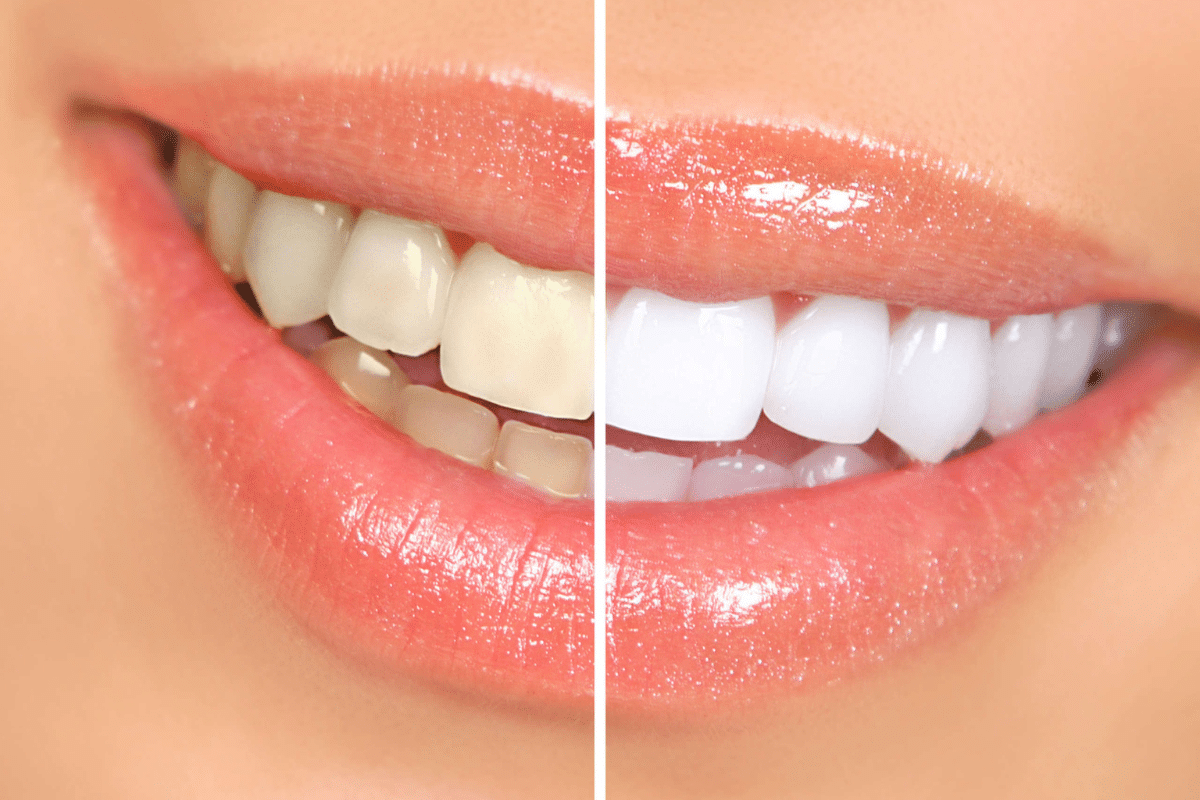
Your front six upper and lower teeth define your smile line and frame your facial structure. Any visible gap, discoloration, or structural irregularity in this zone immediately draws attention. A fixed bridge fills this gap with high-grade dental porcelain that replicates the translucent, natural hue of surrounding natural teeth.
Speech Articulation Problems
Your tongue relies on contacting the back of your front teeth to form essential phonetic sounds, particularly consonants like “s,” “z,” “th,” “f,” and “v.” Missing anterior teeth can cause air leaks during speech, resulting in a sudden lisp or slurring that affects clear communication in personal and professional environments.
Progressive Tooth Drifting and Bite Misalignment
Teeth are held in position by surrounding teeth and alveolar bone. When an anterior tooth is lost, adjacent teeth naturally tilt, drift, or rotate into the empty gap over time. This movement compromises bite alignment (occlusion), increases stress on the temporomandibular joint (TMJ), and creates hard-to-clean spaces where plaque accumulates.
Redistribution of Excessive Bite Force
Front teeth are designed to bite and shear food into manageable pieces. When one is missing, the remaining teeth absorb unbalanced mechanical stress. Over time, this uneven distribution leads to premature wear, enamel fracture, or loosened neighboring dental structures.
Understanding Dental Bridges for Front Teeth
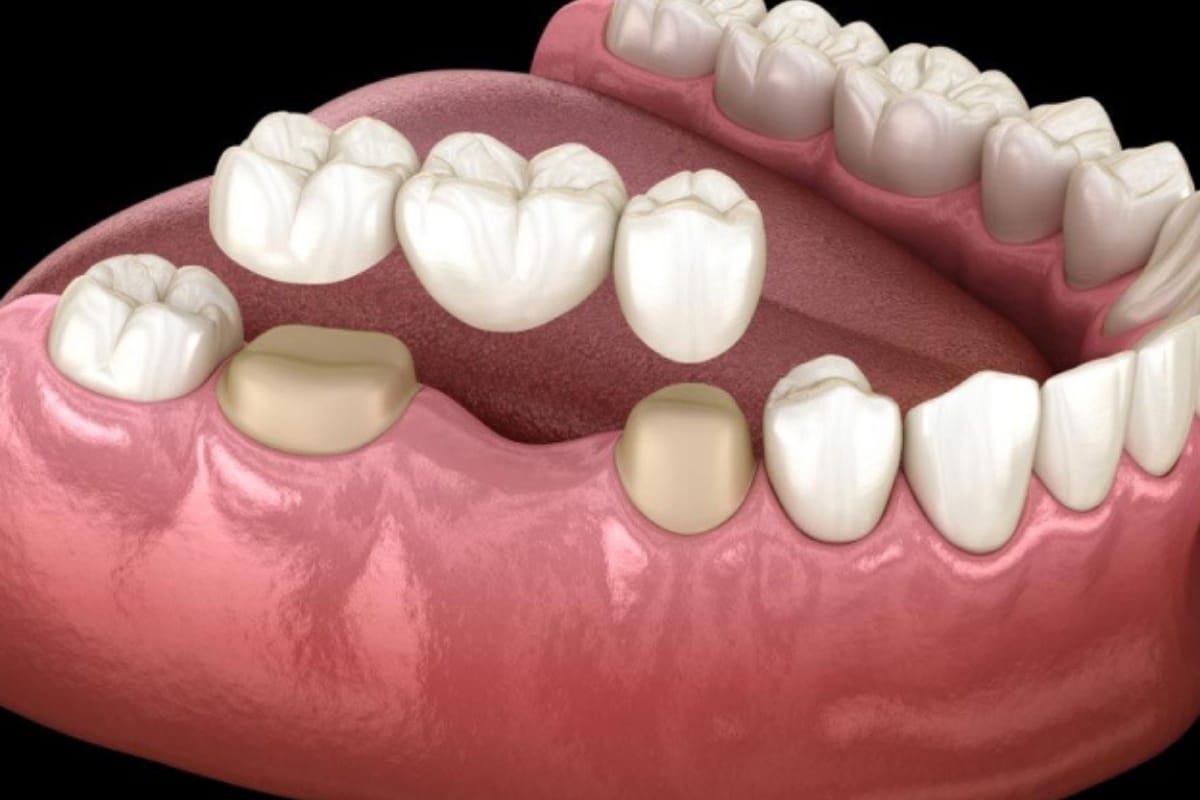
A dental bridge is a fixed, non-removable prosthetic device that literally “bridges” the space created by one or more missing teeth. It consists of two primary components:
- Abutment Teeth: The sturdy natural teeth (or dental implants) located on either side of the space. These teeth are carefully shaped to support protective crowns.
- Pontic: The custom-crafted artificial tooth (or teeth) suspended between the abutment crowns to fill the missing space seamlessly.
When custom-crafted for the front of the mouth, dental bridges utilize advanced porcelain or zirconia materials. These translucent ceramic materials reflect light identically to natural tooth enamel, ensuring that no dark metal lines or unnatural borders are visible along your gumline when you smile.
Primary Types of Bridges Used for Anterior Replacement
Depending on your unique bite mechanics, bone density, and the health of surrounding teeth, our practice utilizes specific bridge designs:
Traditional Dental Bridges
The most frequent choice for front tooth replacement. A traditional bridge utilizes porcelain crowns placed over healthy adjacent natural teeth on both sides of the gap, holding the replacement pontic securely in place.
Cantilever Bridges
Used when healthy supporting teeth are available on only one side of the missing tooth gap. While less common in the high-impact back of the mouth, cantilever bridges can be an effective option for specific anterior teeth under light bite stress.
Maryland (Resin-Bonded) Bridges
A conservative alternative that preserves maximum natural tooth structure. Instead of placing full crowns on adjacent teeth, a Maryland bridge uses micro-thin metal or porcelain “wings” bonded discreetly to the backside of neighboring natural teeth.
Implant-Supported Bridges
When multiple consecutive front teeth are missing, or adjacent teeth are too weak to serve as abutments, dental implants can be surgically anchored into the jawbone to support the bridge without altering natural neighboring teeth.
Why Dental Bridges Stand Out as a Fantastic Front Tooth Solution
Choosing the right restorative solution involves evaluating efficiency, longevity, comfort, and appearance. Here is why dental bridges remain one of the most reliable solutions available:
Rapid Aesthetic Transformation
Unlike dental implants, which often require several months for osseointegration (bone fusion) and healing, a custom dental bridge can be completely fitted and finalized in just two comfortably scheduled office visits. You do not have to wait months to walk out with a complete, confident smile.
Exceptional Natural Aesthetics
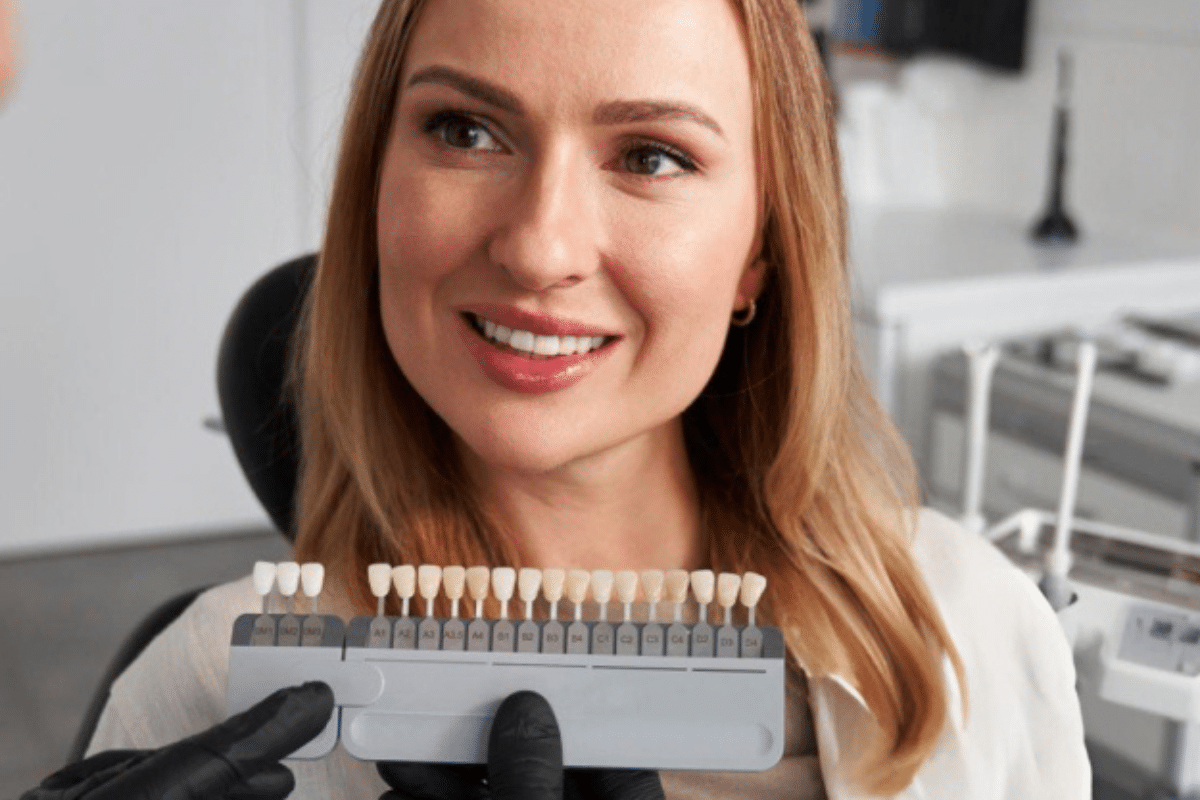
Modern dental ceramics match the exact shade, surface contour, and subtle translucency of your natural teeth. Our clinical team works closely with certified dental laboratories to ensure your bridge harmonizes effortlessly with your facial symmetry and skin tone.
Non-Invasive Restorative Process
For patients who wish to avoid oral surgery, bone grafting, or lengthy healing periods associated with implants, bridges offer an efficient, predictable restorative pathway without invasive procedures.
Restoration of Speech and Biting Efficiency
By restoring the solid front barrier of your teeth, a bridge instantly resolves phonetic distortions and allows you to bite naturally into sandwiches, fruits, and crisp vegetables without fear or hesitation.
Long-Term Reliability
With consistent daily oral hygiene and routine checkups, high-quality dental bridges frequently last 10 to 15 years or longer, serving as a dependable investment in your oral health.
The Dental Bridge Treatment Experience at Downtown Dental Care
Restoring your front tooth at our practice is a streamlined, comfortable process designed around patient clarity and precision:
- Comprehensive Evaluation & Digital Imaging: We examine your teeth, gums, and bite alignment using digital X-rays to confirm that supporting teeth are robust enough to anchor a bridge safely.
- Abutment Preparation: Under gentle local anesthesia, the neighboring teeth are lightly reshaped to accommodate the thickness of supporting dental crowns.
- Precision Impressions: Digital or physical impressions are captured to detail the exact dimensions of your mouth. These are sent to our master dental technician for custom crafting.
- Temporary Bridge Placement: While your custom bridge is crafted, we place an attractive temporary bridge so you never leave our office with a visible gap in your smile.
- Final Fitting & Cementation: Once ready, you return to try on your permanent bridge. We meticulously verify bite contact, shade accuracy, and comfortable margins before permanently bonding it into place.
Providing top-tier dental bridges in Little Rock means ensuring that every step of your care is handled with empathy, artistic skill, and local accessibility.
Essential Care Tips to Extend the Lifespan of Your Bridge
Maintaining a front dental bridge requires minor modifications to your daily cleaning habits:
- Use Bridge Threaders or Water Flossers: Standard dental floss cannot pass directly down between connected bridge teeth. Utilizing a floss threader, interdental brush, or water flosser allows you to clean under the pontic and around gum margins effectively.
- Brush Twice Daily with Non-Abrasive Toothpaste: Protect the porcelain glaze and underlying abutment teeth by brushing twice daily with soft bristles and fluoride toothpaste.
- Avoid Using Teeth as Tools: Never use front teeth or dental bridges to open packages, bite fingernails, or crunch ice, as excessive shear forces can chip ceramic materials.
- Keep Up with Routine Cleanings: Regular professional hygiene checkups allow us to inspect bridge margins, ensure supporting gums remain healthy, and detect potential issues early.
Ready for a Perfect Restoration of Your Missing Teeth?
Front tooth loss does not have to compromise your lifestyle or self-assurance. With high-grade materials, personalized shade matching, and gentle clinical care, a fixed dental bridge restores full mouth functionality while blending seamlessly into your natural smile.
Whether you live in Downtown Little Rock, the River Market District, Hillcrest, Heights, or surrounding Pulaski County communities, our team is dedicated to providing compassionate, high-quality oral healthcare in a welcoming environment.
If you are exploring options for dental bridges in Little Rock, we invite you to schedule your consultation today.
Frequently Asked Questions (FAQs)
What is a dental bridge and how does it replace missing teeth?
A dental bridge is a fixed restoration that replaces missing teeth by bonding custom ceramic pontics to adjacent natural teeth or implants. It restores complete bite function, speech clarity, and a seamless, natural-looking aesthetic.
How long do dental bridges last on front teeth?
Front dental bridges typically last 10 to 15 years or longer with excellent care. Longevity depends on proper daily flossing beneath the bridge, consistent brushing, avoiding hard impacts, and scheduling regular dental checkups.
Is getting a dental bridge for a front tooth painful?
The procedure is completely comfortable because local anesthesia numbs the treatment area during tooth preparation. Some mild, temporary sensitivity may occur afterward, but it quickly resolves as your gums adjust to the new restoration.
How do I clean under my front dental bridge?
You can clean beneath your bridge using floss threaders, specialized super floss, or a water flosser daily. This removes trapped food particles and plaque, keeping your gums healthy and preventing decay on abutment teeth.
Will a front tooth dental bridge look completely natural?
Yes, modern dental bridges utilize color-matched, translucent porcelain or zirconia that mirrors natural tooth shade and light reflectivity. Your dentist custom crafts the bridge so it blends imperceptibly with your surrounding natural teeth.
Are dental bridges better than implants for front tooth replacement?
Dental bridges offer faster completion in just two visits without surgery or bone grafting. While implants preserve jawbone density, bridges are an ideal, highly aesthetic choice for patients seeking immediate, non-surgical smile restoration.
Where can I get custom dental bridges in Little Rock?
You can receive custom dental bridges in Little Rock at Downtown Dental Care, located at 601 W Capitol Ave B, Little Rock, AR 72201. Dr. Gregory L. Stafford and Dr. Caleb Crow deliver tailored, durable restorations for lasting smiles.