
(501) 374-2929

Inner Tooth Infection: Causes, Symptoms & Treatment Options

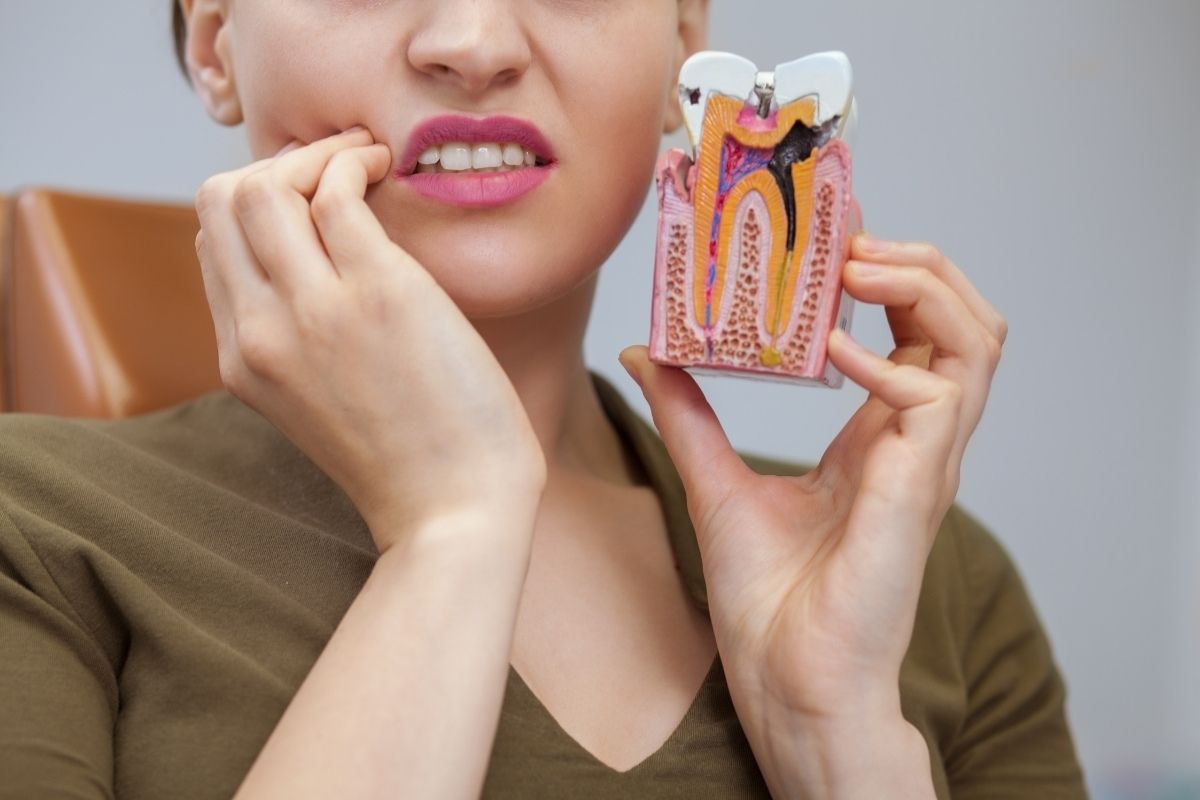
When the inner part of your tooth becomes infected, it can lead to severe pain and, if left untreated, more serious oral health problems. Understanding the causes, recognizing the symptoms, and knowing your treatment options can help you act quickly and protect your smile from lasting damage.
What Is an Inner Tooth Infection?
An inner tooth infection, also known as a tooth pulp infection or pulpitis, occurs when bacteria enter the pulp—the soft core inside your tooth that contains nerves and blood vessels. Once bacteria reach this inner layer, the infection can spread rapidly, leading to inflammation, pain, and even abscess formation.
Common Causes of Inner Tooth Infections
Several factors can contribute to infection within the tooth’s pulp, including:
- Deep Cavities – Untreated tooth decay can penetrate through the enamel and dentin, allowing bacteria to reach the pulp.
- Cracked or Chipped Teeth – Even a small crack can create an entryway for bacteria.
- Repeated Dental Procedures – Multiple restorations on the same tooth can weaken it, making the pulp vulnerable.
- Trauma or Injury – A blow to the tooth can damage the pulp even if there are no visible cracks.
- Gum Disease – Severe periodontal infections can spread from the gums to the tooth roots.
Recognizing the Symptoms
If you’re experiencing any of the following signs, it may indicate an inner tooth infection:
- Persistent, throbbing toothache
- Sensitivity to hot and cold that lingers
- Swelling in the face or jaw
- Tender or swollen gums
- Discoloration or darkening of the tooth
- A bad taste or odor in your mouth
- Pus drainage or an abscess on the gum
Prompt diagnosis by a dentist can prevent the infection from spreading to other teeth or parts of your body.
Treatment Options for Inner Tooth Infections
The right treatment depends on the severity of the infection. Here are the most common approaches:
1. Root Canal Therapy
This is the most effective way to save a tooth with an infected pulp. The dentist removes the infected tissue, cleans the canal, disinfects the area, and seals it with a dental filling or crown to prevent reinfection.
2. Antibiotics
In some cases, antibiotics are prescribed to control or eliminate infection before or after dental treatment. However, antibiotics alone are not a long-term solution—they only manage infection temporarily.
3. Tooth Extraction
If the damage is too severe to repair, the infected tooth may need to be extracted. Afterward, your dentist may recommend dental implants or bridges to restore your smile.
4. Drainage of Abscess
If an abscess (pus pocket) has formed, your dentist may drain it to relieve pressure and remove bacterial buildup.
Prevention Tips
- Brush and floss daily to remove bacteria and plaque.
- Visit your dentist twice a year for checkups and cleanings.
- Treat cavities early before they reach the pulp.
- Use a mouthguard if you play contact sports.
- Maintain a healthy diet low in sugar.
An inner tooth infection is not something to ignore—early treatment can save your natural tooth and prevent serious complications. If you’re experiencing persistent pain, swelling, or sensitivity, don’t wait. Contact a trusted dentist in Little Rock to get a proper diagnosis and relief.
Restore your oral health today—schedule your appointment and take the first step toward a pain-free, confident smile!
FAQs About Inner Tooth Infections
1. Can an inner tooth infection heal on its own?
No, once bacteria infect the pulp, it cannot heal without professional dental treatment. Ignoring it can lead to abscesses or bone infection.
2. How long can I wait before treating an inner tooth infection?
You should see a dentist immediately. Delaying treatment increases the risk of tooth loss or the spread of infection.
3. Does a root canal hurt?
Modern root canal procedures are virtually painless thanks to local anesthesia and advanced technology. Most patients report that it feels similar to getting a filling.
4. What happens if I don’t treat an infected tooth?
Untreated infections can spread to your jawbone, sinuses, or even bloodstream, leading to serious health complications.
5. How do I know if I need a root canal or extraction?
Your dentist will evaluate the extent of the infection with X-rays and tests. If the tooth structure is strong enough, a root canal can save it; otherwise, extraction may be necessary.