(501) 374-2929

How Long Does Teeth Whitening Last? Tips to Keep Your Smile Brighter for Longer

A bright, white smile can make a lasting impression and boost your confidence in both personal and professional settings. Teeth whitening is one of the most popular cosmetic dental treatments because it delivers noticeable results quickly and safely. However, one of the most common questions patients ask is: How long does teeth whitening last?
The answer depends on several factors, including the type of whitening treatment you choose, your lifestyle habits, and how well you care for your teeth afterward. In this guide, we’ll explain how long teeth whitening results typically last, what affects their longevity, and how you can maintain a dazzling smile for as long as possible.
What Is Teeth Whitening?
Teeth whitening is a cosmetic dental procedure designed to lighten stains and discoloration on the surface of your teeth. Professional whitening treatments use safe bleaching agents, typically hydrogen peroxide or carbamide peroxide, to break down stains and brighten enamel.
Common causes of tooth discoloration include:
- Coffee and tea
- Red wine
- Smoking and tobacco use
- Dark-colored foods
- Poor oral hygiene
- Aging
- Certain medications
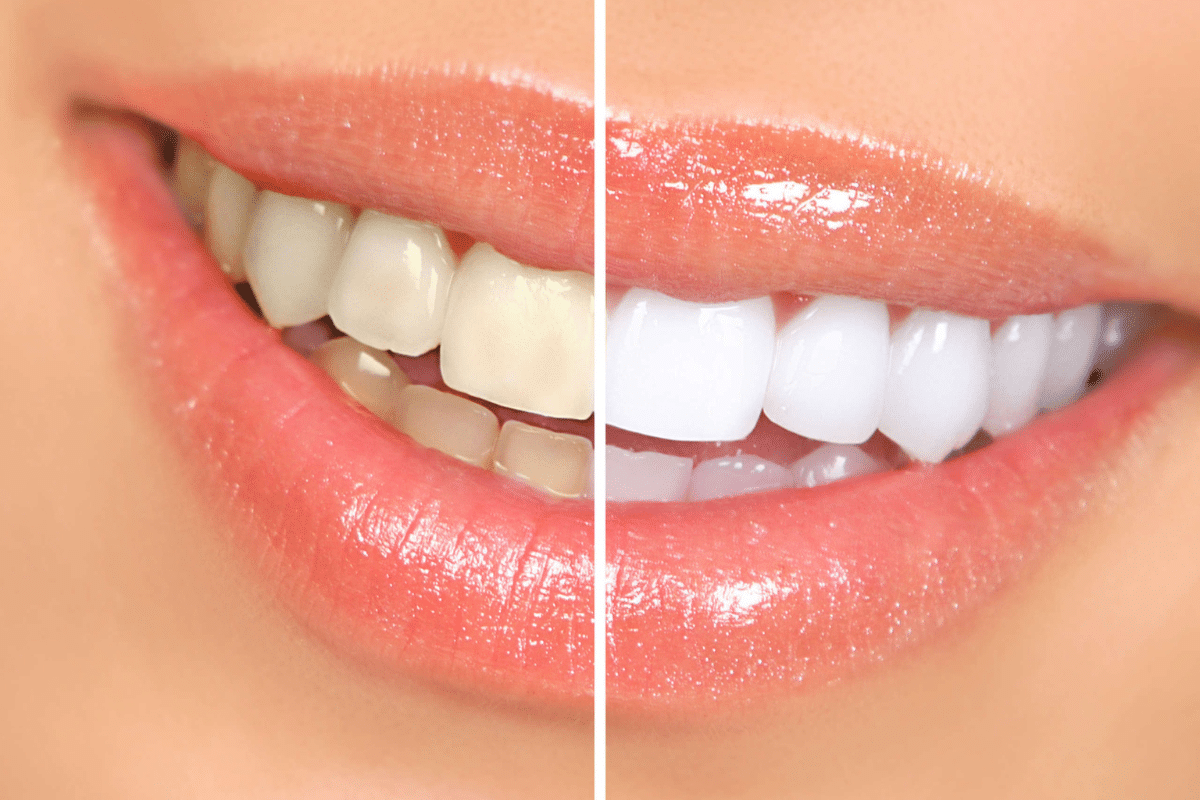
Professional whitening treatments can dramatically improve the appearance of stained or yellow teeth in a short amount of time.
How Long Does Professional Teeth Whitening Last?
In most cases, professional teeth whitening results can last anywhere from 6 months to 3 years. However, the average patient enjoys noticeable whitening for about 12 to 18 months with proper care.
The longevity of your results depends on several important factors:
Type of Whitening Treatment
Professional in-office whitening generally lasts longer than over-the-counter products because it uses stronger and more effective whitening agents.
Lifestyle Habits
People who frequently drink coffee, tea, soda, or red wine may notice staining returning sooner. Smoking can also significantly shorten whitening results.
Oral Hygiene Routine
Brushing, flossing, and regular dental cleanings help preserve a brighter smile by preventing stain buildup.
Natural Tooth Color
Some individuals naturally retain whitening results longer due to their enamel structure and natural tooth shade.
Professional Whitening vs. Store-Bought Whitening Products
Professional Teeth Whitening
Professional treatments performed by a dentist offer:
- Faster and more dramatic results
- Longer-lasting whitening
- Customized treatment plans
- Safer application with reduced sensitivity
Professional whitening often provides results that can last over a year with proper maintenance.
Over-the-Counter Whitening Products
Whitening strips, toothpaste, and DIY kits are more affordable but typically provide:
- Less noticeable results
- Shorter-lasting effects
- Uneven whitening in some cases
- Increased risk of sensitivity if misused
Store-bought products may only last a few months before touch-ups are needed.
What Causes Teeth Whitening to Fade?
Even after professional whitening, teeth are still exposed to daily staining agents. Over time, whitening gradually fades due to:
Food and Beverage Stains
Dark-colored beverages and foods are major culprits. Coffee, curry, berries, soda, and wine can stain enamel over time.
Smoking and Tobacco
Nicotine and tar create stubborn yellow and brown stains that can quickly diminish whitening results.
Aging
As you age, enamel naturally becomes thinner, revealing the darker dentin underneath.
Poor Dental Hygiene
Plaque and tartar buildup can make teeth appear dull and discolored.
How to Make Teeth Whitening Last Longer
If you want to maintain your bright smile for as long as possible, follow these helpful tips:
Practice Excellent Oral Hygiene
Brush twice daily with fluoride toothpaste and floss every day to remove plaque and surface stains.
Avoid Staining Foods and Drinks
Limit beverages like coffee, tea, cola, and red wine. When consuming them, consider using a straw to reduce contact with teeth.
Quit Smoking
Tobacco is one of the leading causes of tooth discoloration. Quitting smoking helps preserve both your smile and overall oral health.
Schedule Regular Dental Cleanings
Routine cleanings help remove surface stains and tartar before they become more noticeable.
Use Whitening Touch-Up Treatments
Your dentist may recommend occasional touch-up whitening treatments or custom trays to maintain results.
Rinse After Meals
Rinsing your mouth with water after eating or drinking stain-causing foods can help reduce discoloration.
Is Teeth Whitening Safe?
Yes, professional teeth whitening is generally considered safe when performed or supervised by a dental professional. Dentists use carefully controlled whitening agents designed to minimize tooth sensitivity and protect your gums.
Some patients may experience temporary sensitivity after whitening, but this usually resolves within a few days.
It’s important to avoid excessive use of over-the-counter whitening products, as misuse can damage enamel or irritate gums.
Who Is a Good Candidate for Teeth Whitening?
Teeth whitening works best for individuals with healthy teeth and gums who have mild to moderate staining. Good candidates often include people with discoloration caused by:
- Coffee or tea
- Smoking
- Aging
- Food stains
However, whitening may not be effective for certain intrinsic stains caused by medications or dental trauma.
A dental consultation can help determine whether whitening is the best option for your smile goals.
Professional Teeth Whitening Benefits
Choosing professional whitening offers several advantages beyond just a brighter smile:
- Boosts confidence and self-esteem
- Improves appearance for special occasions
- Delivers fast and noticeable results
- Customized for your specific dental needs
- Safe and supervised treatment process
Many patients find that whitening helps them feel more comfortable smiling in photos, social settings, and professional environments.
How Often Should You Whiten Your Teeth?
Most dentists recommend professional whitening treatments every 12 to 18 months, depending on your habits and desired level of brightness.
Over-whitening should be avoided because excessive bleaching can increase tooth sensitivity and weaken enamel over time.
Your dentist can help create a safe whitening schedule tailored to your needs.
Can Whitening Work on Crowns or Veneers?
Teeth whitening products generally do not change the color of:
- Dental crowns
- Veneers
- Fillings
- Bonding materials
If you have dental restorations, your dentist can discuss cosmetic options to ensure a more even smile appearance.
Professional teeth whitening can provide a brighter, more youthful smile that lasts anywhere from several months to a few years. While results are not permanent, proper oral hygiene, regular dental visits, and healthy lifestyle habits can significantly extend the life of your whitening treatment.
If you want safe, long-lasting results, professional whitening remains one of the most effective cosmetic dental solutions available. Book an appointment today. A brighter smile can improve your confidence, enhance your appearance, and help you feel your best every day.