(501) 374-2929

What to Expect After Getting a Dental Crown and How to Care for It

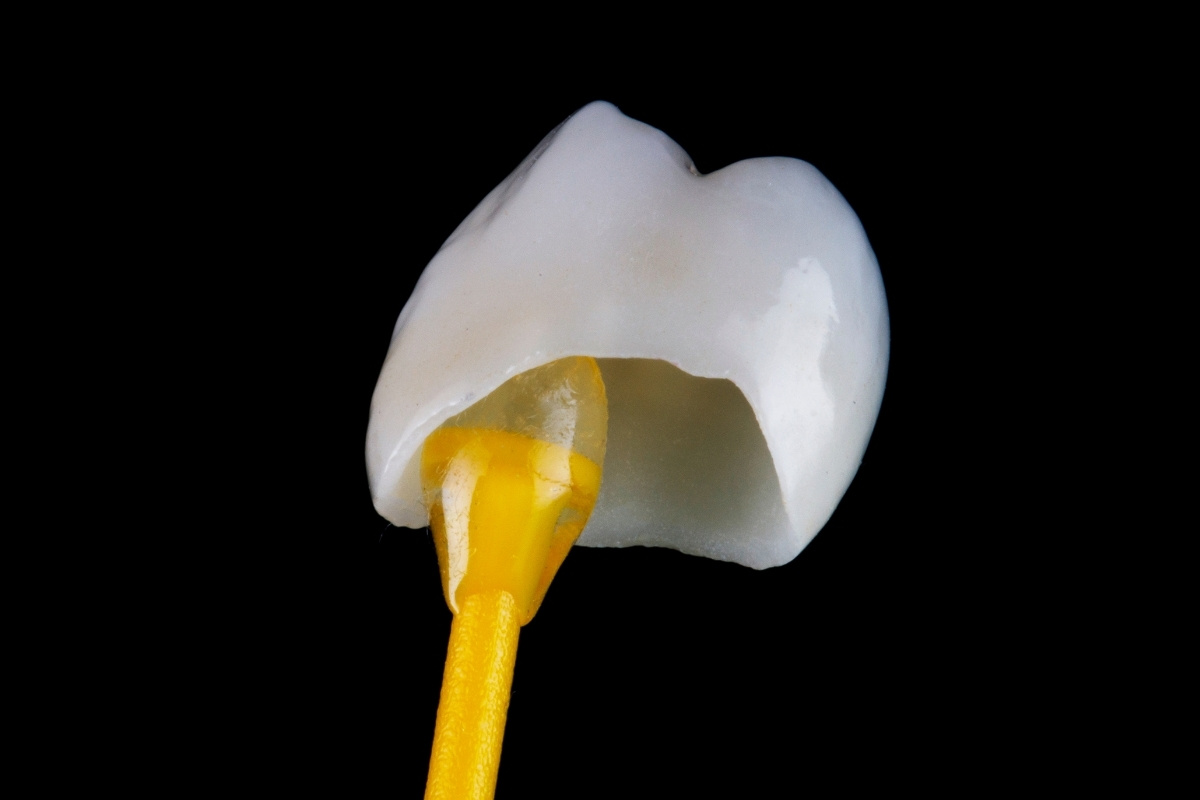
Dental crowns are one of the most common and effective restorative treatments in modern dentistry. Whether you’ve had a crown placed to repair a damaged tooth, restore a large filling, or improve your smile’s appearance, understanding what to expect after the procedure—and how to care for your new crown—is key to ensuring long-lasting results.
In this guide, we’ll walk you through the post-procedure experience, common sensations, and practical tips to keep your dental crown healthy and strong for years to come.
What Is a Dental Crown?
A dental crown is a custom-made “cap” that covers and protects a damaged or weakened tooth. It’s designed to restore the tooth’s shape, size, and strength while improving its appearance. Crowns can be made from materials like porcelain, ceramic, metal, or zirconia—each offering durability and a natural look.
Dentists often recommend crowns for patients who have:
- Large cavities or broken fillings
- Cracked or fractured teeth
- Teeth that have undergone root canal therapy
- Severely worn or misshapen teeth
- Cosmetic concerns like discoloration or unevenness
Once the crown is securely placed, it functions just like a natural tooth, allowing you to chew, speak, and smile confidently.
What to Expect After Getting a Dental Crown
1. Mild Sensitivity or Discomfort
It’s normal to experience mild tooth sensitivity, especially to hot or cold foods and drinks, for a few days after getting your crown. The tooth underneath may still be adjusting to the new restoration. Over-the-counter pain relievers can help manage any minor discomfort.
If the sensitivity lasts more than a week or the bite feels uneven, contact your dentist for an adjustment.
2. Numbness After the Procedure
If local anesthesia was used during the crown placement, you may experience temporary numbness in your mouth, lips, or tongue. Avoid eating until the numbness fully wears off to prevent accidentally biting your cheek or tongue.
3. Temporary Gum Soreness
Some patients experience minor gum irritation or soreness around the crowned tooth. This typically resolves within a few days as your gums adapt. Rinsing with warm salt water (½ teaspoon of salt in a cup of warm water) can help soothe the area and promote healing.
4. Adjusting to the New Bite
A new crown may feel slightly different at first. Give yourself a few days to adjust. However, if your bite feels “off” or uncomfortable, don’t hesitate to return to your dentist for a small bite adjustment. Leaving a high spot uncorrected can lead to jaw discomfort or further tooth sensitivity.
How to Care for Your Dental Crown
Proper aftercare plays a crucial role in extending the life of your dental crown. With good hygiene and a few mindful habits, a crown can last 10–15 years or even longer.
1. Maintain Excellent Oral Hygiene
Even though crowns are resistant to decay, the natural tooth beneath the crown still needs protection. Brush your teeth at least twice a day using a soft-bristled toothbrush and fluoride toothpaste.
Floss daily, especially around the crown margins, to remove plaque and food particles. Consider using a floss threader or water flosser for easier cleaning between crowns and neighboring teeth.
2. Avoid Sticky or Hard Foods
Crowns are durable, but they can still chip, loosen, or break under excessive pressure. Try to avoid chewing on ice, hard candy, or very sticky foods like caramel or taffy.
If you tend to grind your teeth at night (a condition known as bruxism), your dentist may recommend a custom nightguard to protect your crown and natural teeth from wear.
3. Watch for Signs of Problems
A well-fitted dental crown should feel comfortable and natural. However, call your dentist if you notice any of the following:
- Persistent pain or sensitivity
- A loose or wobbly crown
- Chips, cracks, or visible damage
- Gum swelling or bleeding around the crowned tooth
Early detection of these issues can prevent larger complications, such as infection or tooth decay beneath the crown.
4. Schedule Regular Dental Checkups
Routine dental exams and professional cleanings are essential for maintaining your crowned teeth. During these visits, your dentist can check the integrity of your crown, ensure your bite remains even, and address any early signs of wear or decay.
Regular visits also help detect other dental concerns—such as gum disease or cavities—that could compromise your overall oral health.
How Long Do Dental Crowns Last?
The lifespan of a dental crown depends on several factors, including the material used, your oral hygiene routine, and lifestyle habits. On average, most crowns last between 10 and 15 years, but with excellent care, they can endure for decades.
Porcelain or ceramic crowns provide a natural appearance, while metal or zirconia crowns offer extra durability—ideal for molars that experience heavy chewing.
Can a Crowned Tooth Get a Cavity?
Yes, it can—but not on the crown itself. Cavities may develop along the gum line or beneath the crown if plaque and bacteria accumulate. This is why daily brushing, flossing, and regular dental cleanings are vital to maintaining your restored tooth.
When to Contact Your Dentist
If you experience persistent discomfort, notice your crown becoming loose, or see visible damage, contact your dentist right away. Leaving a damaged or loose crown untreated could expose the underlying tooth to bacteria and lead to infection or further decay.
Conclusion
Getting a dental crown is an investment in both your oral health and your smile’s appearance. Understanding what to expect after treatment—and following proper care guidelines—helps ensure your crown lasts for many years.
If it’s been a while since your last checkup or you’re noticing discomfort around a crown, don’t wait for the issue to worsen. Book an appointment with your trusted dental team today to protect your restoration and keep your smile in top shape!