(501) 374-2929

Emergency Dental Care: When to Contact Dr. Gregory L. Stafford Immediately

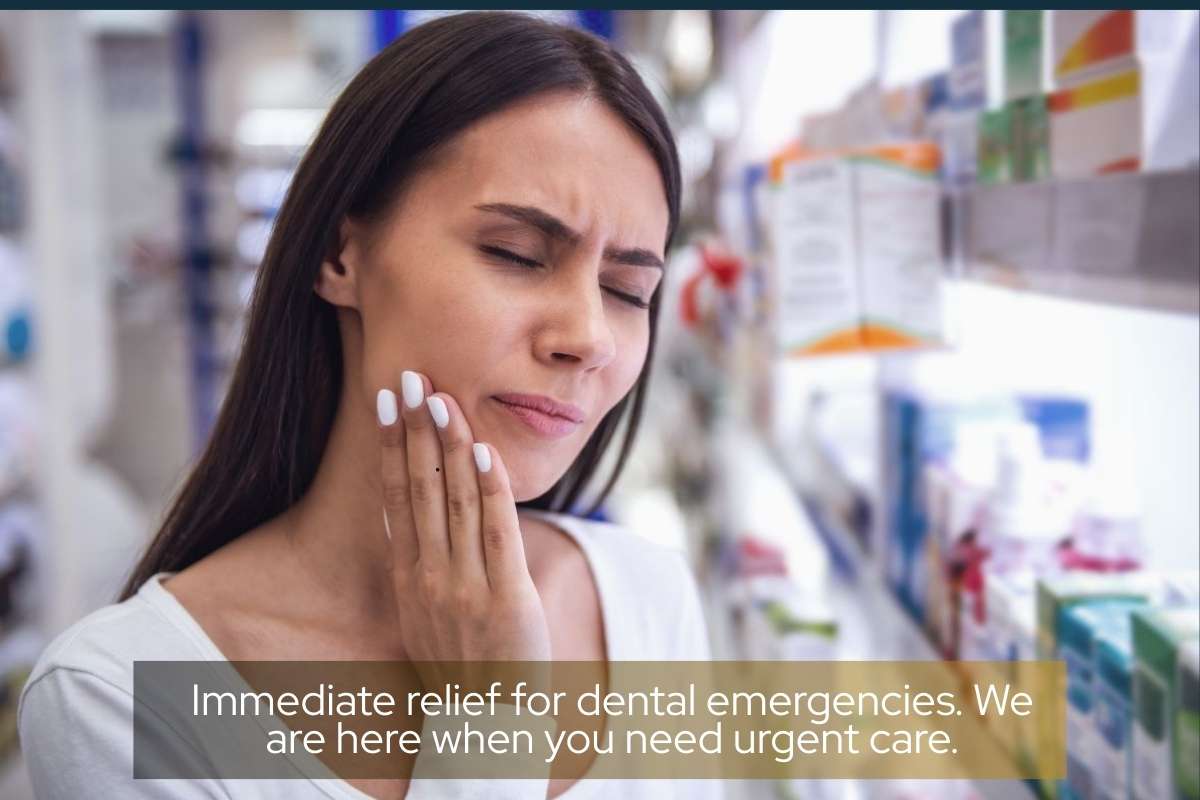
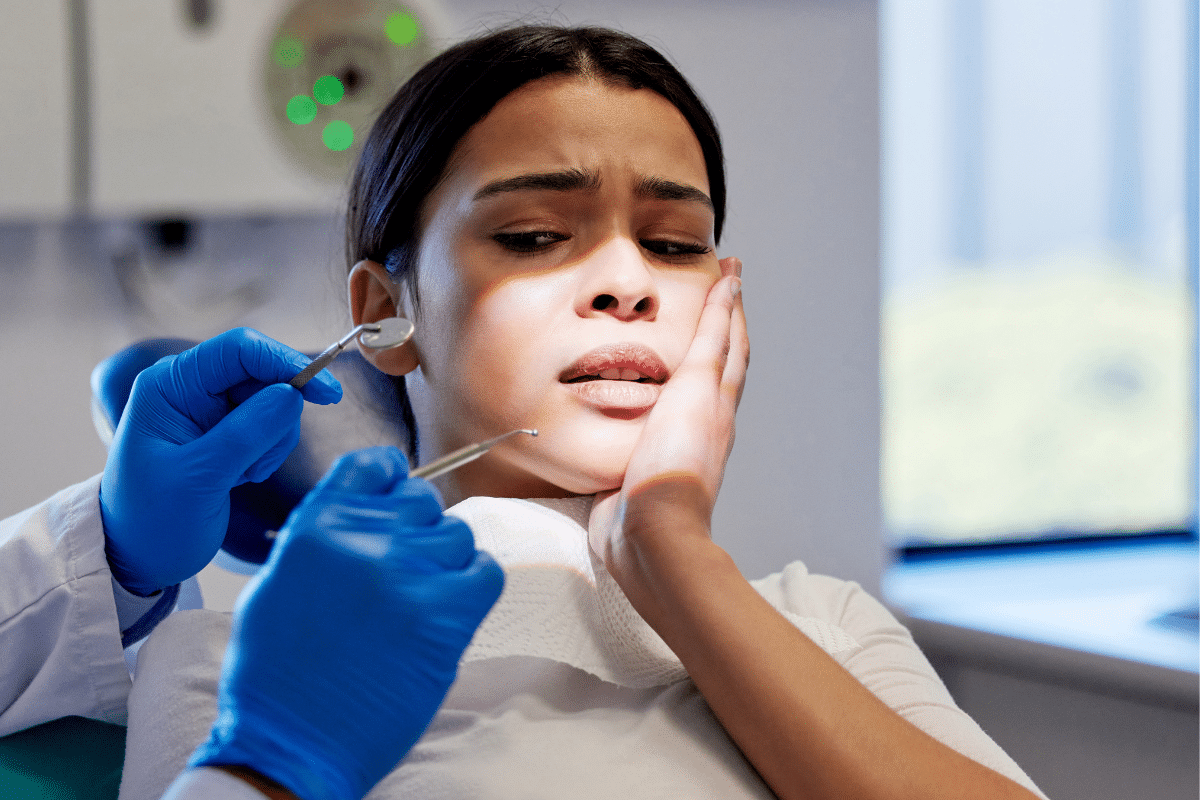
Dental emergencies rarely happen at convenient times. Whether it’s a sudden toothache during dinner, a chipped tooth after a fall, or swelling that worsens overnight, knowing when to seek professional care can make the difference between saving and losing a tooth.
At Downtown Dental Care, Dr. Gregory L. Stafford provides fast, compassionate emergency dental care in Little Rock, AR. If you’re experiencing pain, swelling, or trauma, acting quickly can protect your oral health and prevent more serious complications.
Here’s what you need to know about recognizing a dental emergency and when to contact Dr. Stafford immediately.
What Qualifies as a Dental Emergency?
A dental emergency involves severe pain, bleeding, infection, or trauma that requires immediate professional treatment. While minor sensitivity or small cosmetic chips may wait a few days, certain symptoms demand urgent care.
If you’re unsure whether your situation is an emergency, it’s always safer to call a trusted emergency dentist in Little Rock for guidance.
Severe Tooth Pain That Won’t Go Away
Persistent or intense tooth pain is one of the most common reasons patients seek emergency dental care. Pain that lasts more than a day or worsens over time may indicate:
- A deep cavity
- An abscessed tooth
- Advanced infection
- Cracked or damaged enamel
- Exposed tooth roots
Ignoring tooth pain can allow infection to spread, potentially affecting surrounding teeth and even your overall health. If over-the-counter pain relievers aren’t helping, contact Dr. Gregory L. Stafford immediately for evaluation and relief.
Swelling in the Face or Gums
Facial swelling, gum swelling, or a visible abscess (a small, pus-filled bump near the tooth) can signal a serious infection. Dental infections can spread to other parts of the body if left untreated.
Symptoms to watch for include:
- Swelling around the jaw or cheeks
- Fever
- Difficulty swallowing
- Bad taste in the mouth
- Throbbing pain
If you experience swelling along with fever or difficulty breathing, seek urgent medical attention. Otherwise, call Downtown Dental Care right away for an emergency evaluation.
Knocked-Out Tooth (Act Fast!)
A knocked-out tooth is one of the most time-sensitive dental emergencies. Acting within 30–60 minutes greatly increases the chance of saving the tooth.
If this happens:
- Pick up the tooth by the crown (not the root).
- Gently rinse with water if dirty—do not scrub.
- Try to place it back in the socket if possible.
- If that’s not possible, store it in milk or saliva.
- Call Dr. Stafford immediately.
Prompt treatment can often restore the tooth successfully.
Cracked, Broken, or Chipped Teeth
Not all chipped teeth are emergencies, but large fractures or cracks that cause pain or sensitivity should be evaluated quickly. A cracked tooth can expose nerves and increase infection risk.
Emergency treatment may include:
- Dental bonding
- Crown placement
- Root canal therapy
- Extraction (if necessary)
Getting treatment quickly helps preserve as much of your natural tooth structure as possible.
Uncontrolled Bleeding
If your mouth is bleeding and doesn’t stop after applying pressure for 10–15 minutes, you should contact an emergency dentist. This is especially important after trauma, oral surgery, or injury.
Persistent bleeding can indicate deeper tissue damage that requires immediate care.
Lost Filling or Crown
While not always severe, a lost filling or crown leaves your tooth vulnerable to damage and sensitivity. If left untreated, it may lead to infection or fracture.
If this happens:
- Keep the area clean
- Avoid chewing on that side
- Use temporary dental cement if available
Why Immediate Emergency Dental Care Matters
Delaying treatment can lead to:
- Worsening infection
- Increased pain
- More complex (and costly) procedures
- Permanent tooth loss
Dr. Gregory L. Stafford prioritizes urgent cases and works to provide same-day emergency dental care whenever possible. Our goal is to relieve your pain quickly while preserving your long-term oral health.
Preventing Dental Emergencies
While some emergencies are unavoidable, many can be prevented with proactive care:
- Schedule regular dental checkups and cleanings
- Wear a mouthguard during sports
- Avoid chewing ice or hard objects
- Address minor dental issues before they worsen
- Maintain daily brushing and flossing habits
Routine care helps detect small problems early—before they become painful emergencies.
Compassionate Emergency Dental Care in Little Rock
Dental emergencies are stressful. That’s why our team at Downtown Dental Care focuses on providing calm, supportive, and efficient treatment when you need it most. From severe toothaches to traumatic injuries, Dr. Gregory L. Stafford delivers expert care using modern techniques and advanced technology.
If you’re searching for an emergency dentist in Little Rock, AR, you can trust our experienced team to prioritize your comfort and health.
Don’t Wait—Get Help Right Away
Pain is your body’s way of signaling that something isn’t right. If you’re experiencing severe discomfort, swelling, or dental trauma, don’t delay treatment.
Book your appointment today or visit our dental office at 601 W Capitol Ave B, Little Rock, AR 72201.
FAQs
1. How do I know if my toothache is an emergency?
If your tooth pain is severe, lasts more than 24 hours, causes swelling, or is accompanied by fever, it is likely a dental emergency and should be evaluated immediately.
2. Can a dental infection spread to other parts of the body?
Yes. Untreated dental infections can spread beyond the mouth and may become serious. Prompt treatment is essential.
3. What should I do if I knock out a tooth?
Handle the tooth by the crown, rinse gently, try to place it back in the socket, or store it in milk. Contact Downtown Dental Care immediately for emergency treatment.
4. Is a chipped tooth always an emergency?
Small cosmetic chips may not require urgent care. However, if there is pain, sensitivity, or a large fracture, you should seek emergency dental care.