(501) 374-2929

DIY Teeth Whitening: What Works and What to Avoid—Expert Advice from Downtown Dental Care in Little Rock

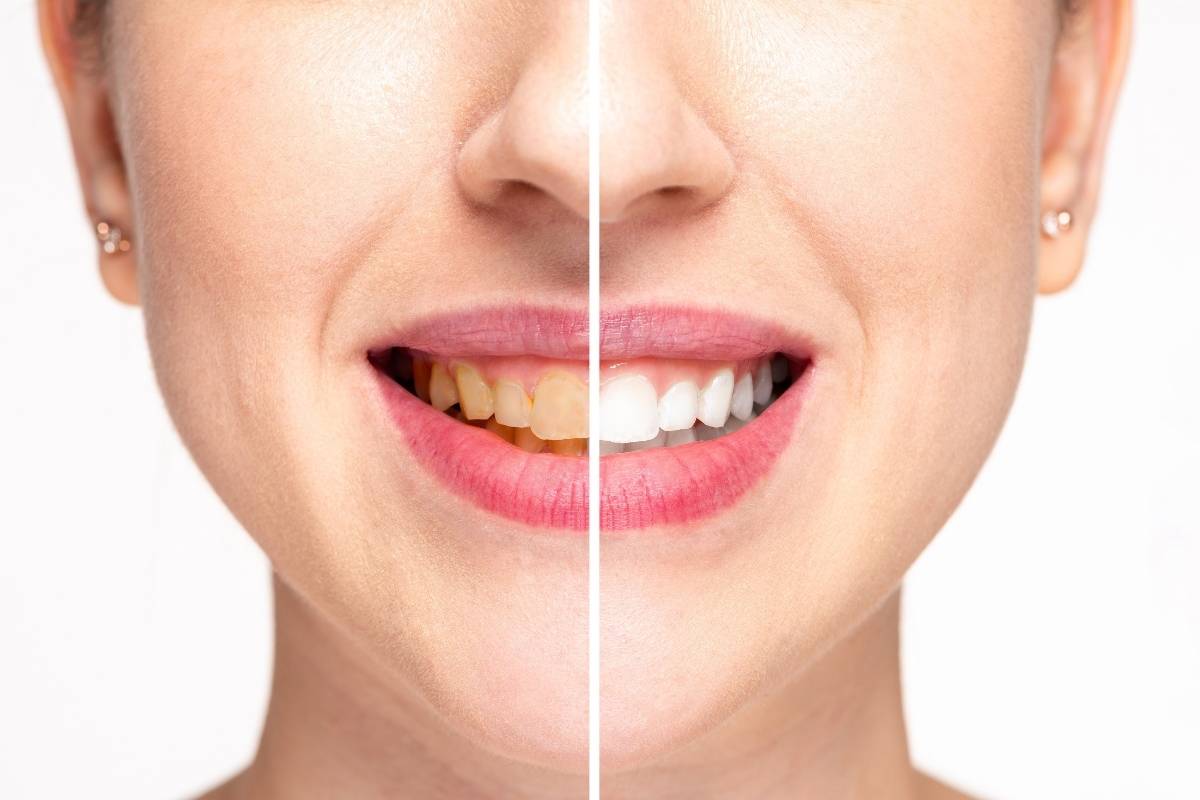
A bright, white smile can boost your confidence, enhance your appearance, and leave a lasting impression. With social media trends and countless over-the-counter products promising fast results, DIY teeth whitening has become more popular than ever. But do these at-home methods really work—and more importantly, are they safe?
At Downtown Dental Care in Little Rock, Dr. Gregory L. Stafford often sees patients who have tried DIY whitening techniques with mixed results. Some methods can be mildly effective, while others can cause serious damage to your enamel and gums. Before you try a home remedy, here’s what you need to know.
Why Teeth Become Stained in the First Place
Understanding the cause of discoloration helps determine the safest and most effective whitening solution.
Teeth can become stained due to:
- Coffee, tea, and red wine
- Tobacco use
- Dark-colored sodas
- Certain medications
- Aging (natural enamel thinning)
- Poor oral hygiene habits
Surface stains (extrinsic stains) are typically easier to remove, while deeper stains (intrinsic discoloration) often require professional treatment.
DIY Teeth Whitening Methods: What Actually Works?
There are dozens of home remedies online. Let’s break down the most common options and what our dental experts recommend.
1. Whitening Toothpaste
Whitening toothpaste is one of the safest DIY options. These products contain mild abrasives that help remove surface stains over time. However, they do not change the natural color of your teeth or address deep discoloration.
Verdict: Safe but gradual. Best for maintaining results—not dramatic whitening.
2. Whitening Strips
Over-the-counter whitening strips contain low concentrations of peroxide. When used as directed, they can provide noticeable improvement for mild to moderate stains.
However, misuse or overuse can lead to tooth sensitivity and gum irritation.
Verdict: Moderately effective. Follow directions carefully.
3. Baking Soda
Baking soda is often promoted as a natural whitening solution. While it can remove surface stains due to its mild abrasiveness, frequent use can wear down enamel, leading to increased sensitivity and long-term damage.
Verdict: Use cautiously and sparingly.
4. Activated Charcoal
Charcoal toothpaste has gained popularity online, but it’s highly abrasive. There is limited scientific evidence supporting its effectiveness, and it can gradually erode enamel.
Once enamel is worn away, it does not grow back.
Verdict: Not recommended by dental professionals.
5. Hydrogen Peroxide Rinses
Some people use diluted hydrogen peroxide as a whitening rinse. While peroxide is an active whitening ingredient, incorrect dilution can irritate soft tissues and damage enamel.
Verdict: Risky without professional supervision.
DIY Whitening Methods to Avoid Completely
Some social media trends can cause serious, irreversible damage.
❌ Lemon Juice or Apple Cider Vinegar
Highly acidic substances weaken enamel, increasing cavity risk and sensitivity.
❌ Scrubbing Teeth with Abrasive Materials
Using hard brushes, salt, or harsh scrubs can permanently damage enamel.
❌ Excessive Whitening Product Use
More is not better. Overusing whitening products leads to enamel erosion and gum irritation.
At Downtown Dental Care in Little Rock, we’ve treated patients who needed restorative procedures after unsafe whitening attempts. Protecting your enamel should always come first.
The Risks of DIY Whitening
While some at-home methods offer mild improvements, they come with potential side effects:
- Increased tooth sensitivity
- Gum irritation
- Uneven whitening
- Enamel erosion
- Long-term tooth damage
Professional supervision ensures whitening is done safely and effectively.
Professional Teeth Whitening: A Safer, More Effective Option
If you’re looking for dramatic, even, and safe whitening results, professional teeth whitening treatment is your best choice.
At Downtown Dental Care, we offer professional whitening solutions that:
- Use safe, controlled peroxide levels
- Protect your gums during treatment
- Deliver faster, more noticeable results
- Minimize sensitivity
Unlike DIY methods, professional whitening can address deeper stains and deliver long-lasting brightness.
Why Choose Downtown Dental Care in Little Rock?
When searching for a trusted dental provider in Little Rock, experience and patient comfort matter. Our team is committed to helping you achieve a healthier, brighter smile safely.
We combine advanced technology, personalized care, and years of experience to ensure your whitening treatment fits your goals and dental health condition.
Whether you’re preparing for a special event, job interview, or wedding, or simply want to feel more confident, our professional whitening services provide predictable, beautiful results.
How to Maintain Your Whitening Results
After whitening—whether at home or professionally—maintaining your results is key.
Follow these tips:
- Avoid staining beverages immediately after treatment
- Drink dark liquids through a straw
- Brush twice daily with fluoride toothpaste
- Floss daily
- Schedule routine cleanings
- Avoid tobacco products
Routine dental visits allow us to monitor your enamel health and keep your smile bright year-round.
Is DIY Whitening Right for You?
The truth is that not everyone is a good candidate for whitening. Patients with crowns, veneers, severe enamel erosion, or untreated cavities should consult a dentist before whitening.
At Downtown Dental Care, we evaluate your oral health before recommending any whitening treatment. Safety always comes first.
Brighten Your Smile Safely in Little Rock
DIY whitening can offer minor improvements, but it often comes with risks. If you want safe, noticeable, and long-lasting results, professional teeth whitening is the most reliable solution.
Your smile is one of your greatest assets—don’t risk damaging it with unsafe trends.
Book your appointment today or visit our dental office at 601 W Capitol Ave B, Little Rock, AR 72201.
FAQs
1. Is DIY teeth whitening safe?
Some methods, like whitening toothpaste or strips, can be safe if used as directed. However, many home remedies can damage enamel or irritate gums.
2. How long does professional whitening last?
Professional whitening results can last 6 months to 2 years, depending on your diet and oral hygiene habits.
3. Does teeth whitening cause sensitivity?
Temporary sensitivity is possible but usually mild. Professional treatments are designed to minimize discomfort.
4. Can whitening damage enamel?
Improper or excessive use of whitening products can weaken enamel. Professional supervision reduces this risk.