(501) 374-2929

Can Teeth Whitening Damage Your Enamel? Myths vs. Facts

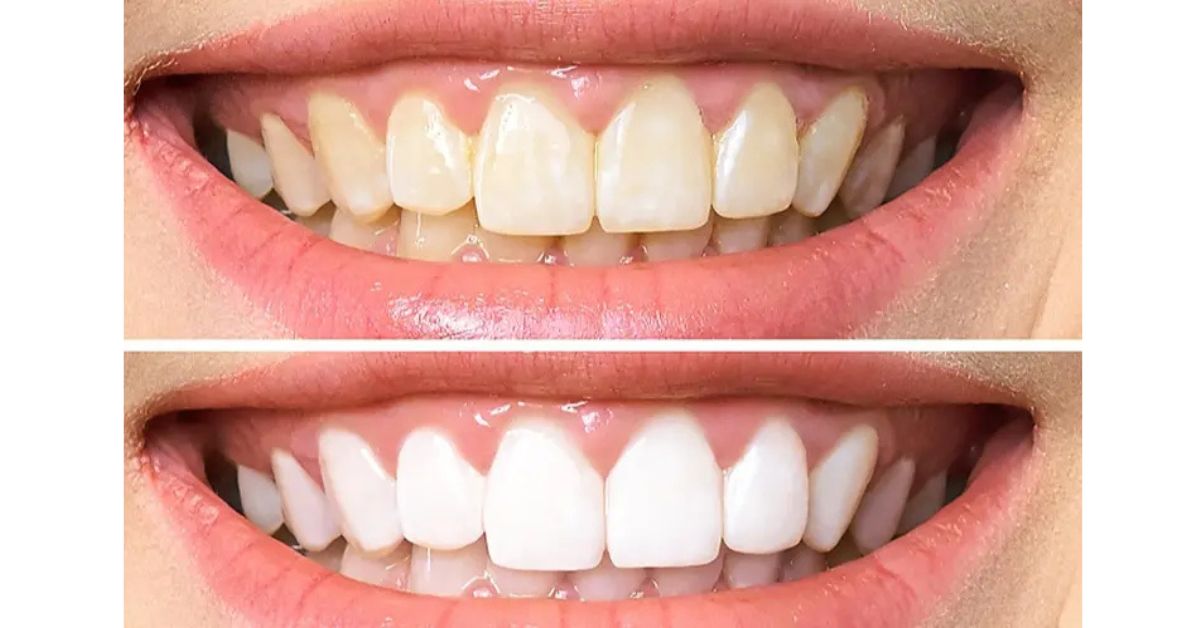
A bright, white smile is something that people notice, but what happens if your quest to have whiter teeth puts your enamel at risk? You might have heard warnings about several bleaching products damaging the outer layer of the teeth or causing permanent damage. But how much is true?
Let’s dive into debunking the most common myths and facts about enamel safety and uncover what happens during the tooth bleaching procedure. If you’re considering a pearly white smile but are concerned about the health of your enamel, this guide will provide you with complete peace of mind.
What Is Tooth Enamel And Why Is It Crucial?
Enamel is the outer, hard layer of the teeth. It guards against decay, sensitivity, and damage. While it is extremely strong, enamel does not regenerate once it wears away. That’s why protecting it becomes so crucial.
Myths Vs. Facts- Contradicting Common Beliefs About Whitening And Enamel Damage
Myth 1- All Bleaching Treatments Erode Enamel
Fact: When performed correctly, especially under the supervision of professionals, whitening treatments are safe. The ingredients used are formulated to break down the stains, not your tooth enamel. In-office treatments are applied with care and precision to protect the teeth.
Myth 2- Store-Bought Bleaching Kits Are Safe As Professional Treatments
Fact: Over-the-counter options vary widely in terms of strength and application. Without proper guidance from a dental professional, there is a high risk of misuse, which can lead to excessive sensitivity or enamel wear.
Myth 3- Whitening Causes Permanent Tooth Sensitivity
Temporary sensitivity is a common side effect, but it fades within a few days. It does not mean the enamel is being damaged. Dentists can also offer desensitizing agents or recommend products to ease the discomfort.
Myth 4: Using Natural Remedies Such As Baking Soda And Lemon Juice Is A Safer Option.
Fact: This belief is quite misleading and potentially harmful. Substances that are acidic and abrasive, such as lemon juice and baking soda, can erode enamel over time, potentially causing more damage than professional treatments.
Myth 5: Whiter Teeth Must Indicate Better Overall Health.
Fact: While whitening may enhance appearance, it does not address any underlying problems. Issues such as cavities, gum disease, or enamel loss can still be present behind an appealing smile. A dental check-up is crucial before any cosmetic procedures.
Myth 6: Whitening Toothpaste Is The Ultimate Solution For Long-Term Results.
Fact: Numerous whitening products have abrasives that may erode enamel with daily use. They are effective for maintaining stain removal rather than providing significant brightness. Use them sparingly and always opt for those endorsed by dental organizations.
Myth 7: Whitening Procedures Weaken Teeth.
Fact: Professional whitening products do not compromise the structural strength of teeth. They eliminate stains through chemical oxidation without affecting the actual tooth material.
Myth 8: Whitening Can Be Performed As Often As Desired.
Fact: Overuse of whitening treatments can cause sensitivity in the enamel and dryness. It’s advisable to space out treatments according to your dentist’s guidance. Most individuals only need maintenance treatments every 6–12 months.
Myth 9: Everyone Achieves The Same Whitening Results.
Fact: The outcome varies based on individual factors, such as natural tooth color, enamel thickness, and habits like smoking or consuming coffee. Some individuals may experience significant changes, while others may only notice slight improvements.
Myth 10: All Types Of Discoloration Can Be Eliminated.
Fact: Whitening treatments are most effective on surface stains from food, beverages, or aging. Deeper stains or discoloration resulting from injury or medication may not respond effectively and may necessitate alternative cosmetic options, such as veneers or bonding.
Is Whitening Safe For Your Enamel?
Indeed, when applied appropriately. Most complications arise when individuals excessively use products or attempt DIY methods. If you’re interested in professional teeth whitening in Little Rock, it’s best to consult a licensed dental professional first. They will evaluate the condition of your enamel, review your medical background, and develop a tailored plan to enhance your smile safely.
Professional procedures prioritize the safety of your enamel. Dentists also employ protective barriers for your gums and provide follow-up care to ensure your teeth remain strong and healthy after the treatment.
There is a lot of information out there, but the truth is clear- whitening treatments do not damage enamel when used professionally. Most myths stem from improper use and DIY techniques. For safe and effective results, rely on an experienced team that understands both the aesthetics and science behind a pearly white smile.
At Downtime Dental Care, we provide tailored bleaching solutions tailored to your unique needs. Book your appointment and experience professional tooth whitening with confidence that your enamel is in good hands.