
(501) 374-2929

Does a Cavity Count as a Dental Emergency? Here’s What You Should Know

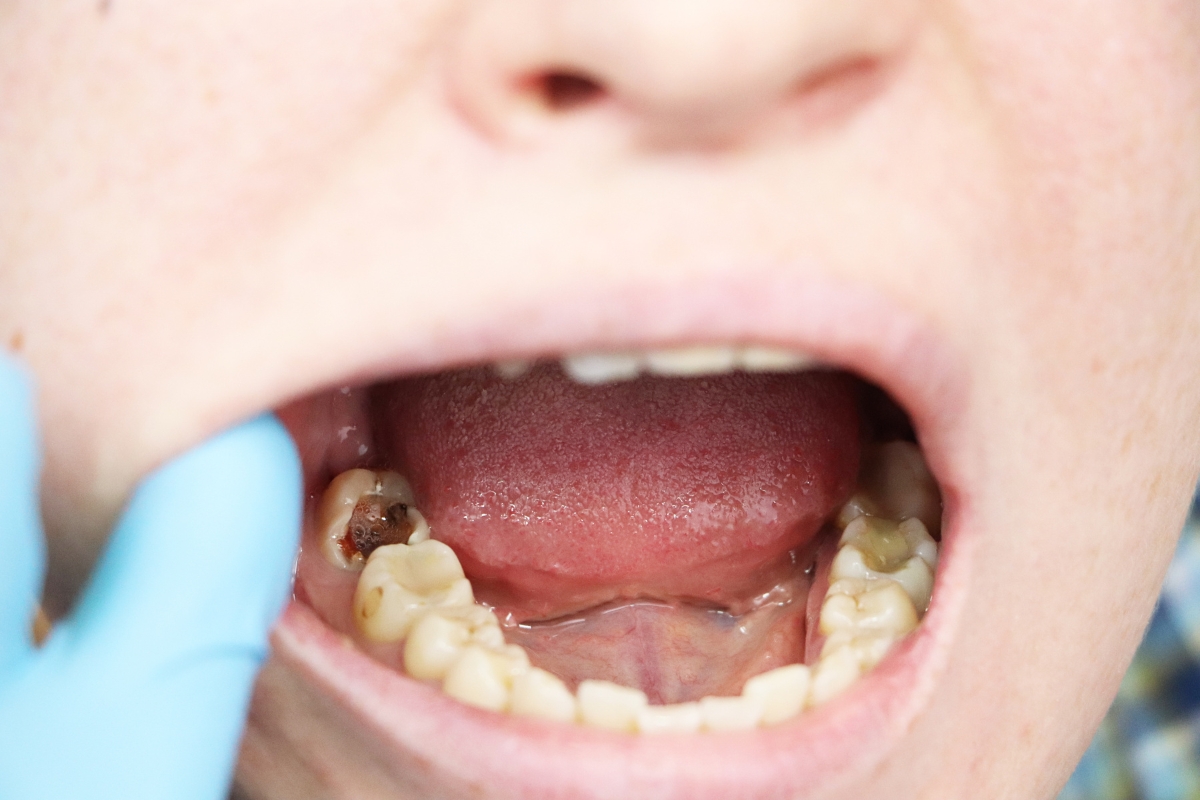
Most people experience a cavity at some point in their lives. Cavities start small — often as minor sensitivity or a dull ache — and can easily go unnoticed. But when the pain suddenly intensifies or swelling develops, it’s natural to wonder: Does a cavity count as a dental emergency?
At Downtown Dental Care, we’re here to help you understand when a cavity requires urgent treatment, what symptoms to watch for, and how to protect your oral health before the problem gets worse.
Understanding Cavities: The Basics
A cavity (or tooth decay) forms when bacteria in your mouth produce acids that eat away at the enamel — the hard, protective layer of your teeth. Over time, this decay can progress deeper, reaching the inner layers of your tooth and potentially leading to infection.
Common signs of a developing cavity include:
- Tooth sensitivity to hot, cold, or sweet foods
- A visible dark spot or hole in your tooth
- Persistent toothache or discomfort when chewing
- Bad breath or a sour taste in your mouth
While small cavities aren’t always emergencies, ignoring them can lead to serious dental complications that require urgent attention.
When a Cavity Becomes a Dental Emergency
Not all cavities are emergencies — but when decay advances deep enough to affect the nerve or pulp of the tooth, it can cause severe pain and infection. That’s when immediate treatment becomes necessary.
Here are the key signs that your cavity may be a dental emergency:
1. Severe or Throbbing Tooth Pain
Constant, intense pain that doesn’t go away — especially if it radiates to your jaw or ear — may indicate that the decay has reached your tooth’s nerve. This is often a sign of an abscess or deep infection.
2. Facial Swelling or Gum Inflammation
Swelling around the affected tooth, gums, or even in your face can be a red flag for an infection spreading beyond the tooth. This requires urgent care to prevent further complications.
3. Sensitivity That Worsens Quickly
Mild sensitivity is normal with minor decay, but sharp or lingering pain when eating or drinking could mean the cavity is worsening and nearing the inner tooth structure.
4. Broken or Cracked Tooth from Decay
If a cavity weakens your tooth enough to cause it to chip or break, the exposed nerves can lead to extreme discomfort and a high risk of infection. This situation warrants same-day dental attention.
5. Presence of a Dental Abscess
An abscess — a pus-filled pocket caused by bacterial infection — is a true dental emergency. It can cause swelling, fever, and even spread infection to other parts of your body if untreated.
If you suspect an abscess, call your dentist right away.
Why Immediate Treatment Matters
When a cavity turns into an emergency, time is critical. The longer you delay treatment, the higher the risk of:
- Permanent tooth damage or loss
- Spread of infection to the surrounding teeth or jawbone
- More invasive procedures like root canal therapy or extraction
Prompt treatment not only relieves pain but also helps preserve your natural tooth and restore full function.
We prioritize emergency cases to provide fast, effective relief. Whether it’s a sudden toothache or an infection, our team will diagnose the issue and recommend the best treatment — often on the same day.
How a Dentist Treats Emergency Cavities
Depending on the severity of the cavity, your dentist may recommend one of the following treatments:
1. Dental Filling
For small or moderate cavities, a filling is typically sufficient. The decayed portion of the tooth is removed, and the area is restored with a composite (tooth-colored) material to seal and protect it.
2. Root Canal Therapy
If decay has reached the inner pulp, a root canal may be necessary to remove infected tissue and save the tooth. This procedure can relieve pain almost immediately and prevent extraction.
3. Dental Crown
In cases where a large portion of the tooth is damaged, a dental crown can restore its strength, function, and appearance.
4. Tooth Extraction
When a tooth is too severely decayed or damaged to be restored, an extraction may be the safest option. Fortunately, we offer tooth replacement solutions such as dental implants and bridges to restore your smile afterward.
Preventing Future Dental Emergencies
While emergency treatment is available when you need it, prevention is always the best approach. Here’s how to minimize your risk of cavities and avoid dental emergencies:
- Brush twice a day with fluoride toothpaste
- Floss daily to remove food particles and plaque
- Avoid sugary snacks and drinks that feed cavity-causing bacteria
- Visit your dentist regularly (every six months) for cleanings and exams
- Address minor discomfort early before it becomes a bigger issue
Our team at Downtown Dental Care can help identify early signs of decay and treat them promptly, ensuring your smile stays healthy and pain-free.
When in Doubt, Call Your Dentist
If you’re unsure whether your tooth pain or cavity qualifies as a dental emergency, it’s always better to err on the side of caution. Call your dentist for guidance — a quick evaluation can prevent a small issue from turning into a serious problem.
We offer emergency dental services for patients experiencing pain, swelling, or sudden damage. We’ll provide compassionate care, relieve your discomfort, and restore your oral health with the most effective treatment possible.
Don’t wait until the pain becomes unbearable. Call +1 (501) 216-1564 or visit us at 601 W. Capitol Ave. Suite B, Little Rock, AR 72201. Follow us for dental care tips, updates, and patient stories: Facebook, Yelp, Instagram.