
(501) 374-2929

What Causes Bleeding Gums When Brushing and How to Stop It

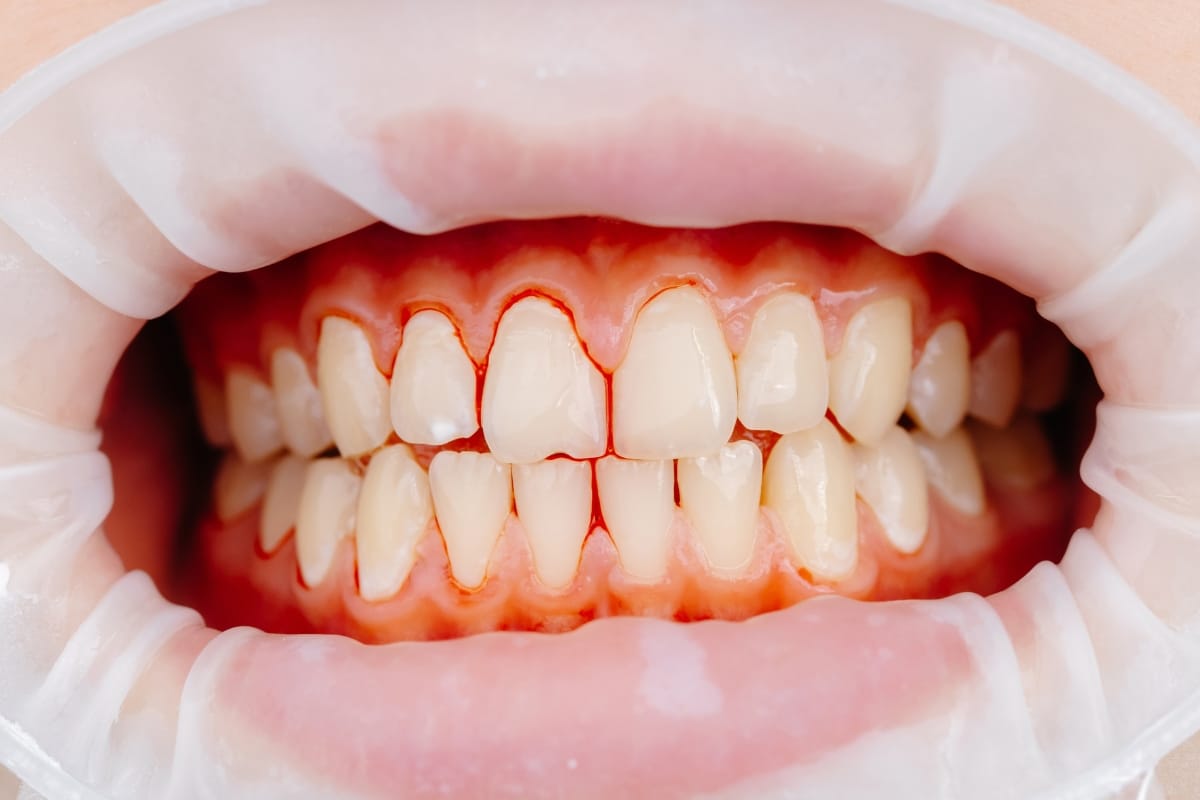
Experiencing bleeding gums while brushing? Discover common causes, effective home prevention habits, and professional care options in Little Rock, AR. Book your preventive checkup at Downtown Dental Care for a healthier smile.
Discovering pink in the sink when you spit out toothpaste or noticing blood on your dental floss is a common occurrence, but it should never be ignored. While it might be tempting to assume you simply brushed a bit too hard, recurring bleeding from the gums is one of the earliest warnings your body gives regarding your oral health.
At Downtown Dental Care, located in Little Rock, Arkansas, Dr. Gregory L. Stafford and Dr. Caleb Crow emphasize preventive care as the foundation for a healthy smile. Understanding the underlying causes of bleeding gums allows you to take immediate corrective steps at home and know when to seek professional care.
The Most Common Causes of Bleeding Gums
Gums bleed when delicate tissue becomes inflamed, fragile, or irritated. The primary culprits behind gum bleeding include:
- Plaque Accumulation: The leading cause of bleeding gums is a sticky, colorless bacterial film called plaque. When plaque is not consistently removed along the gumline through daily brushing and flossing, the bacteria produce toxins that irritate surrounding gum tissues, causing them to swell and bleed easily.
- Gingivitis: This represents the initial stage of gum disease. Gingivitis occurs when plaque remains on teeth, causing soft tissues to become red, puffy, and prone to bleeding during routine cleaning. Gingivitis is fully reversible with proper oral hygiene and professional dental cleanings.
- Inconsistent Flossing: If you only floss occasionally, your gums may bleed when you do. Consistent, daily flossing builds healthy tissue tolerance and removes trapped food particles and plaque between teeth where toothbrush bristles cannot reach.
- Aggressive Brushing Technique: Brushing too vigorously or using medium or hard bristles can physically damage delicate gum tissue, causing recession and bleeding.
- Certain Medications and Health Changes: Blood thinners, hormonal shifts during pregnancy, vitamin deficiencies, and stress can increase gum sensitivity and susceptibility to bleeding.
Simple Steps to Stop Bleeding Gums at Home
Addressing early gum irritation requires adjusting your daily habits to protect your gum tissue:
- Brush Gently with a Soft Bristle Brush: Clean your teeth twice daily using a soft-bristled toothbrush. Hold the brush at a forty-five-degree angle toward your gumline and move it in short, gentle circular motions rather than scrubbing back and forth forcefully.
- Floss Daily with Proper Technique: Curve the floss in a C shape around the side of each tooth and slide it gently beneath the gumline. Avoid snapping floss down onto soft tissues.
- Choose the Right Toothpaste: Use an antibacterial or desensitizing toothpaste containing fluoride to reduce plaque formation and strengthen protective tooth enamel.
- Rinse with an Antimicrobial Mouthwash: An alcohol free antibacterial mouthwash helps neutralize bacteria in hard-to-reach areas of your mouth, soothing irritated gum tissues.
- Eat a Balanced Diet: Reduce sugary snacks and beverages that feed plaque bacteria. Incorporate foods rich in Vitamin C and Vitamin K to support tissue repair and overall gum resilience.
When to See a General Dentist
While improving home care often calms minor gum irritation within a week or two, persistent bleeding warrants a professional evaluation. Left untreated, reversible gingivitis can progress into periodontitis, a serious gum infection that damages surrounding bone tissue, causes gums to pull away from teeth, and eventually leads to loose or lost teeth.
You should schedule a clinical visit if you notice:
- Gums that bleed continuously every time you brush or eat
- Persistent bad breath or a bad taste in your mouth
- Red, swollen, or tender gum tissue
- Gums that appear to be pulling away from your teeth
- Changes in the way your teeth fit together when biting
Professional Cleanings Restore Gum Health
Even the most diligent home care routine cannot remove hardened plaque, known as tartar or calculus, once it forms on teeth. Professional dental hygiene visits are essential to scale away tartar accumulations above and below your gumline, giving inflamed gums a clean surface to heal.
At Downtown Dental Care, our team provides thorough, comfortable preventive cleanings tailored to your individual needs. Regular checkups every six months allow our general dentistry team to catch early signs of tissue irritation before long-term structural damage occurs.
Protect Your Smile in Little Rock
Healthy gums are the foundation of a beautiful, lasting smile. Address bleeding gums early to preserve your oral health and maintain complete confidence in your breath and smile.
If you are experiencing red or bleeding gums, trust Dr. Gregory L. Stafford, Dr. Caleb Crow, and the dedicated team at Downtown Dental Care. We welcome new patients and offer comprehensive general dentistry services in a warm, welcoming environment.
Schedule Your General Dentistry Visit Today
Take control of your oral health today. Visit our office at 601 W Capitol Ave Suite B in Little Rock, AR. Schedule your consultation and routine cleaning to explore our complete general dentistry services and keep your teeth and gums healthy for life.
Frequently Asked Questions About Gum Bleeding and General Dentistry
Should I stop brushing or flossing if my gums bleed?
No. Bleeding is a sign of tissue inflammation, often caused by built-up plaque. Stopping your daily hygiene routine allows bacteria to accumulate, making the irritation worse. Continue brushing gently with a soft-bristled toothbrush and flossing daily to help tissues heal.
How quickly can bleeding gums heal after improving my oral routine?
A: With consistent brushing, flossing, and gentle home care, mild gum irritation from early gingivitis typically improves within one to two weeks. However, if hardened tartar is present beneath the gumline, professional dental cleaning is required to clear the buildup and allow full healing.
What general dentistry services does Downtown Dental Care offer for bleeding gums?
Our Little Rock practice offers comprehensive general dentistry, including thorough preventive cleanings, personalized periodontal evaluations, and tailored hygiene plans. Dr. Gregory L. Stafford and Dr. Caleb Crow focus on early detection and comfortable treatment to stop gum disease in its tracks and protect your long-term health.